‘Connect with Energy’ initiative – Monday 11th – Friday 15th June 2012

South Dublin County Council are hosting  ‘Connect with Energy’,  an event aimed at providing advice and support to homes and businesses on how to save energy and money as well as create new job opportunities. The event is supported by the Sustainable Energy Authority of Ireland (SEAI) and Intelligent Energy Europe (IEE).

With the purpose of supporting and engaging South Dublin homeowners, businesses, schools and other stakeholders in reducing their energy costs, saving money and creating jobs, SDCC is hosting a ‘Connect with Energy’ initiative from Monday 11th to Friday 15th June 2012 in ‘The Big Picture’ exhibition venue in Tallaght Town Centre, located beside the LUAS red line terminus.

This initiative will comprise an interactive energy centre in the Council’s ‘Big Picture’ multimedia venue; suppliers of energy related goods and services in the County will be available to meet with business people, homeowners, individuals interested in learning more about how they can save money on energy consumption within their businesses, workplaces, homes and other premises.
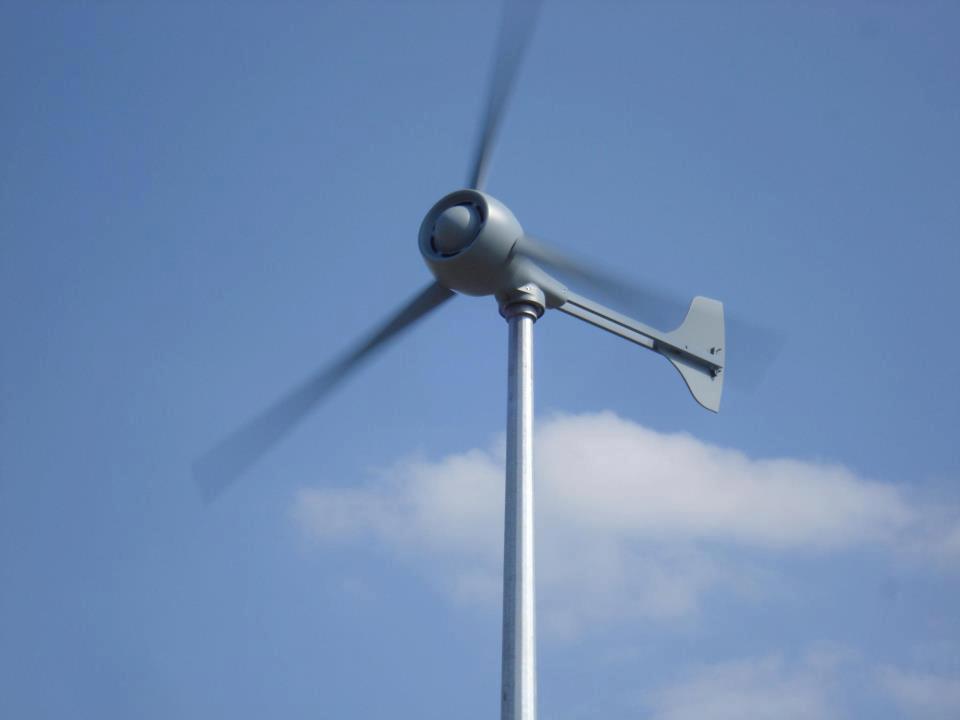
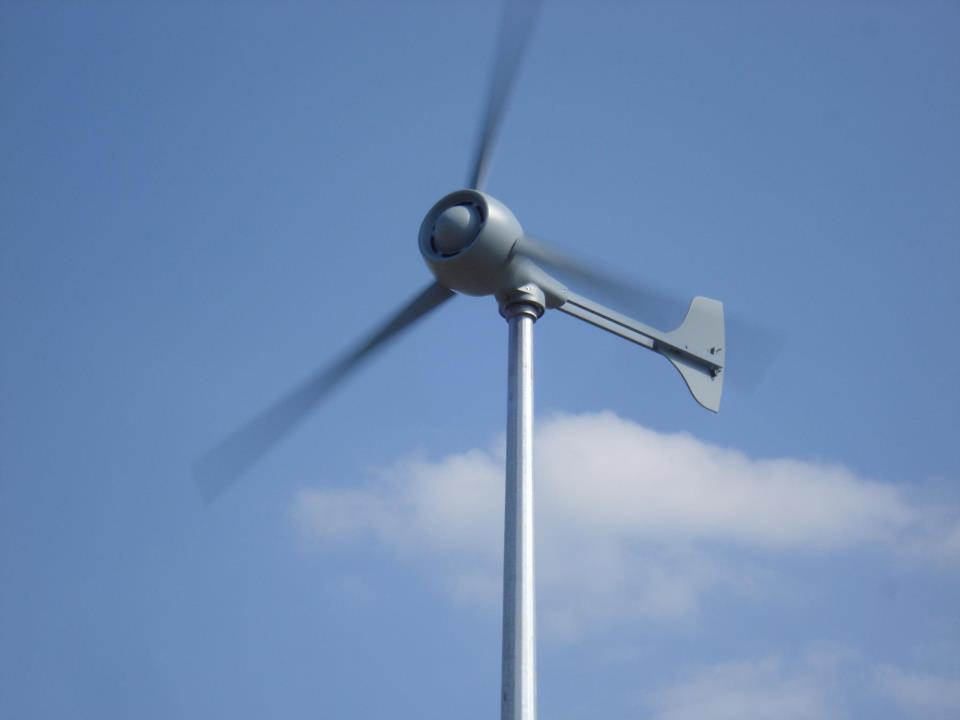
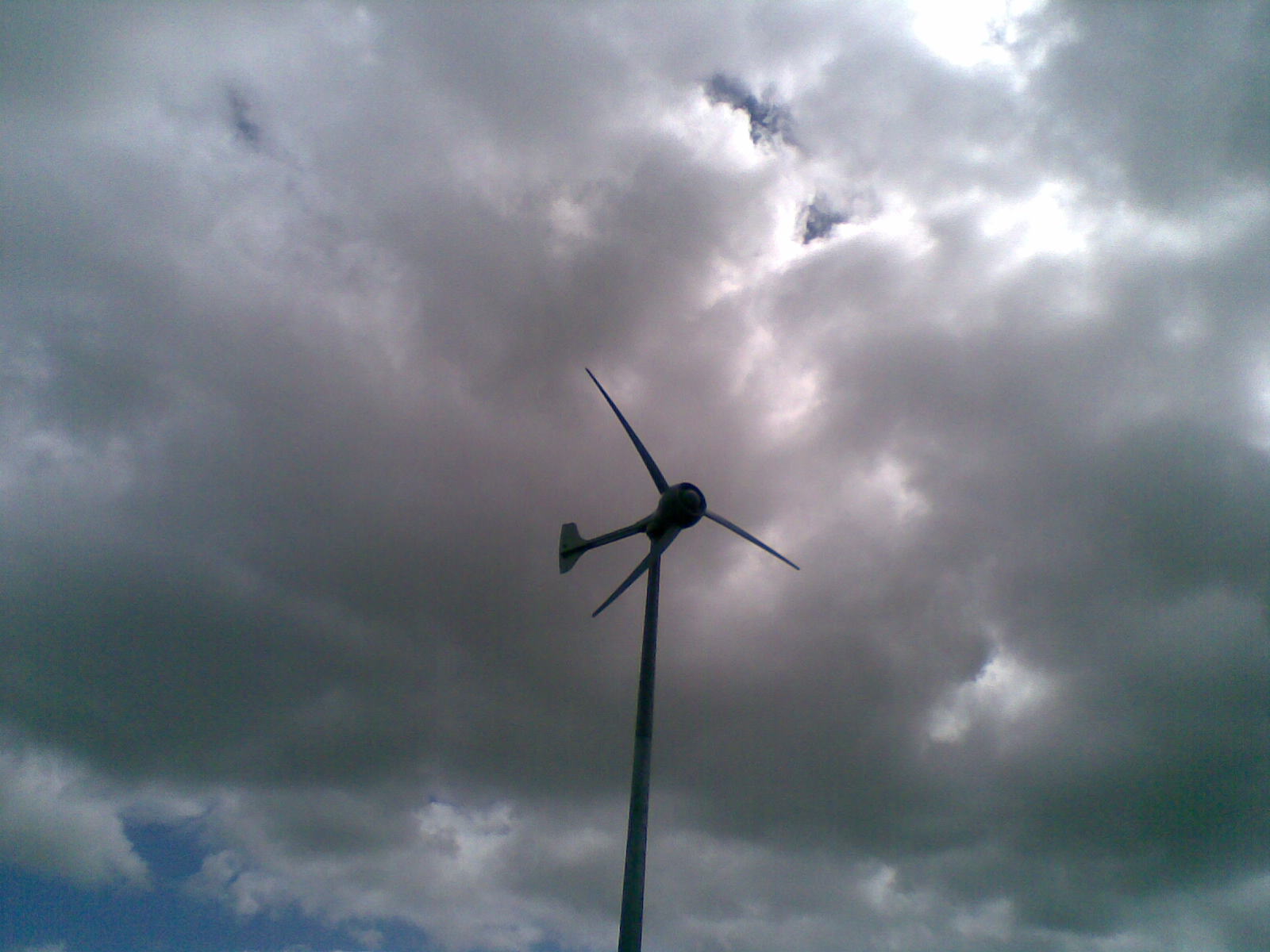
5kW Windturbine – residential, farm and commercial applications

The ‘Connect with Energy’ initiative will be launched on the morning of Monday 11th June 2012. Minister Pat Rabbitte, Mayor Caitríona Jones and County Manager, Philomena Poole will launch the event.

The event has been organised as part of SDCC’s commitment to acting as a focal point for energy efficiency and is also represented by current involvement in a range of energy projects and initiatives. The two major programmes currently being undertaken by SDCC are the EU Intelligent Energy Europe (IEE) funded Leadership for Energy Action and Planning (LEAP) project and the Sustainable Energy Community (SEC) Programme supported by the Sustainable Energy Authority of Ireland (SEAI).

The (LEAP) project has a two year timescale and involves SDCC and eight other local authority partners across the EU. LEAP aims to increase the ability of EU local authorities to act as mentors in the promotion of sustainable energy measures in the local economy and so take a leading role in the move towards a low-carbon local economy. The key output of LEAP is the preparation of a countywide, cross sectoral Sustainable Energy Action Plan (SEAP), which will include a series of short, medium and long term actions addressing energy in South Dublin County to 2020 and beyond.
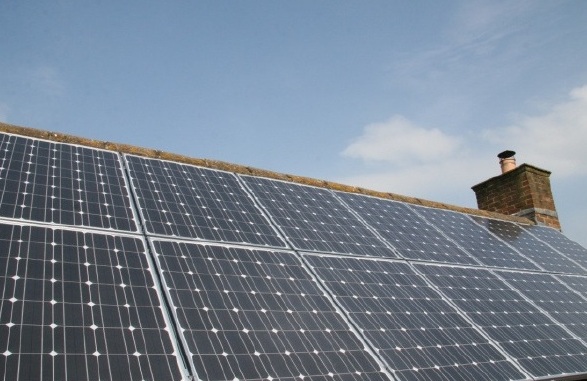
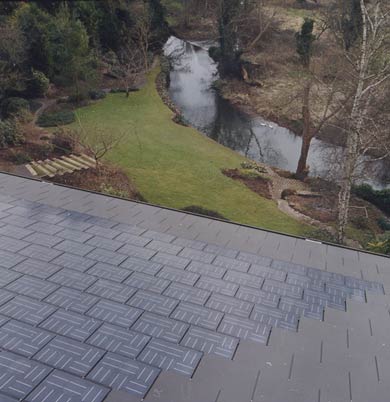
Solar Photovoltaic

The ‘Connect with Energy’ event is a key milestone in that process. The event will also showcase SDCC’s own track record in piloting and developing sustainable energy measures.

Following a competitive bid process, the Sustainable Energy Authority of Ireland (SEAI) designated Tallaght as one of three new exemplar Sustainable Energy Communities (SEC) in Ireland. This programme, to operate for a five year period from the beginning of 2012, aims to develop a series of Irish communities as ‘living laboratories’ to establish a culture of energy innovation, by carrying out locally focused projects to increase energy efficiency and reduce energy costs.
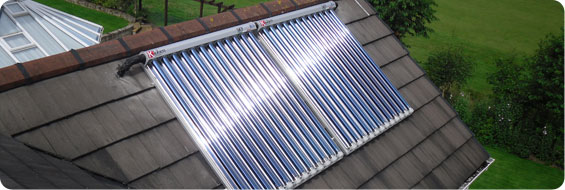
Solar Thermal

The week long ‘Connect with Energy’ event will comprise exhibitions and targeted workshops. Energy advisers for homes and businesses will also be available during the event. A full programme of events will be advertised in the SDCC area during the coming weeks. All workshops and consultations will be registered events.

Mayor Caitríona Jones has welcomed the announcement of the event as an opportunity for local businesses and homeowners to become more energy efficient and reduce their energy costs. This will improve business competitiveness and job creation in South Dublin.
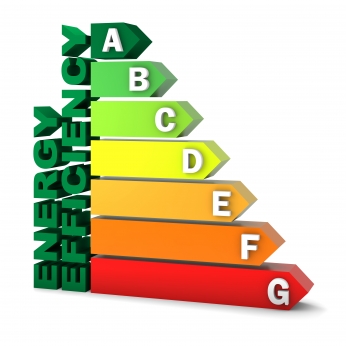
Energy Efficiency

Further information is available from the South Dublin Energy Team energyteam@sdublincoco.ie  or 01 4149000 ext. 2389 or go to website www.southdublinenergy.ie and follow link for Connect with Energy.

Click here to view or download the ‘Connect with Energy’ Brochure

To register for one of the free workshops, click on its title in calendar below: A description of each workshop is contained in each individual registration page.

WORKSHOPS

Monday11th JuneTuesday12th JuneWednesday13th JuneThursday14th JuneFriday 15th June
Venue A (Big Picture)
09 .00 -10.00Official LaunchEco Evolution‘Renewable Energy technologies: Wind, Solar, Hydro..Power Perfector‘After initial staff training & behavioural savings have been achieved how to achieve further energy/ cost savings’.
10.30 – 11.30Official LaunchPower Perfector‘Voltage Power Optimisation: The Opportunities for Businesses’Carillion Energy Services            ‘The energy efficient home’Carillion      Energy Services ‘Reduce Your Home Energy Costs’AVA SafelightSafeLight: Stand Alone Self Sufficient Street Lighting
12.00 – 13.00Cylon‘Realtime Energy Management: The Benefits for your Business’Cylon‘Realtime Energy Management: The Benefits for your Business’Bord Gais ‘Energy at Home – Benefits of Heating Controls’Integrated Engineering Consultancy Ltd‘How to Reduce Business Cost in Lighting & Heating?Windsor Motors ‘Electric Cars – going much further for far less with the Nissan Leaf’
14.00 – 15.00Windsor Motors ‘Electric Cars – going much further for far less with the Nissan Leaf’Save Energy 4 You ‘Light Years Ahead’Windsor Motors‘Electric Cars – going much further for far less with the Nissan Leaf’B & Q‘Do it yourself: B&Q’s low cost energy measures at home’
16.00 – 17.00SDCC‘A Council grapples with energy’SDCC‘Valhalla Housing – Approaching Passiv’SDCC‘Building Refurbishment : Achieving Value, Economies and Performance from Energy Retrofit’SDCC‘Ballyroan Library: A Passiv-standard civic building’
                                                                                                                       WORKSHOPS
Monday11th JuneTuesday12th JuneWednesday13th JuneThursday14th JuneFriday 15th June
Venue B (Tallaght Library)
09.30 – 10.30B & Q‘Do it yourself: B&Q’s low cost energy measures at home’
10.30 – 11.30
10.45 – 11.45Bord Gais‘Carbon Monoxide Safety at Home’
12.00 – 13.00
12.30 – 13.30B & Q‘Do it yourself: B&Q’s low cost energy measures at home’
16.15 – 17.15Power Perfector‘SMEs: De-risking investment in energy conservation measures (ECM)’
16.30 – 17.30Tallaght IT & CylonThe future of Energy Management Learn to improve building energy efficiency16.30 to 19.00Please note venue: Main Campus, Tallaght IT Save Energy 4 U:Light years ahead
17.30 – 18.30

Looking forward to meeting you at the exhibition and at our workshop.
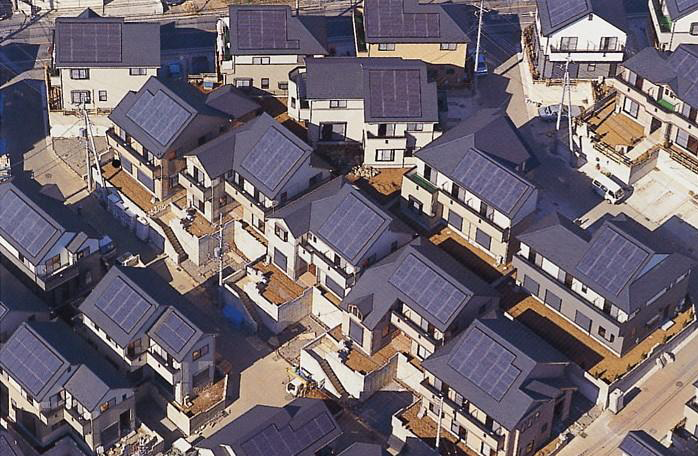
Germany sets new solar power world record

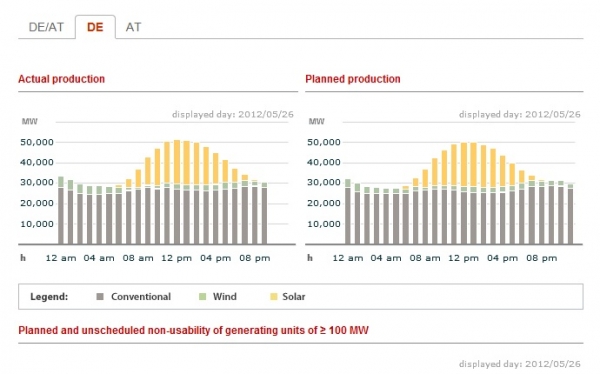
German solar power plants produced a world record 22 gigawatts of electricity per hour – equal to 20 nuclear power stations at full capacity – through the midday hours on Friday and Saturday, the head of a renewable energy think tank said.

The German government decided to abandon nuclear power after the Fukushima nuclear disaster last year, closing eight plants immediately and shutting down the remaining nine by 2022.

They will be replaced by renewable energy sources such as wind, solar and bio-mass.

Norbert Allnoch, director of the Institute of the Renewable Energy Industry (IWR) in Muenster, said the 22 gigawatts of solar power per hour fed into the national grid on Saturday met nearly 50 percent of the nation’s midday electricity needs.

“Never before anywhere has a country produced as much photovoltaic electricity,” Allnoch told Reuters. “Germany came close to the 20 gigawatt (GW) mark a few times in recent weeks. But this was the first time we made it over.”

The record-breaking amount of solar power shows one of the world’s leading industrial nations was able to meet a third of its electricity needs on a work day, Friday, and nearly half on Saturday when factories and offices were closed.

Solar Power Generation Germany May 26 2012

Government-mandated support for renewables has helped Germany became a world leader in renewable energy and the country gets about 20 percent of its overall annual electricity from those sources.

Germany has nearly as much installed solar power generation capacity as the rest of the world combined and gets about four percent of its overall annual electricity needs from the sun alone. It aims to cut its greenhouse gas emissions by 40 percent from 1990 levels by 2020.

Source: Reuters

Read full story here.

Latest tests confirm increased energy generation of Evance small wind turbine

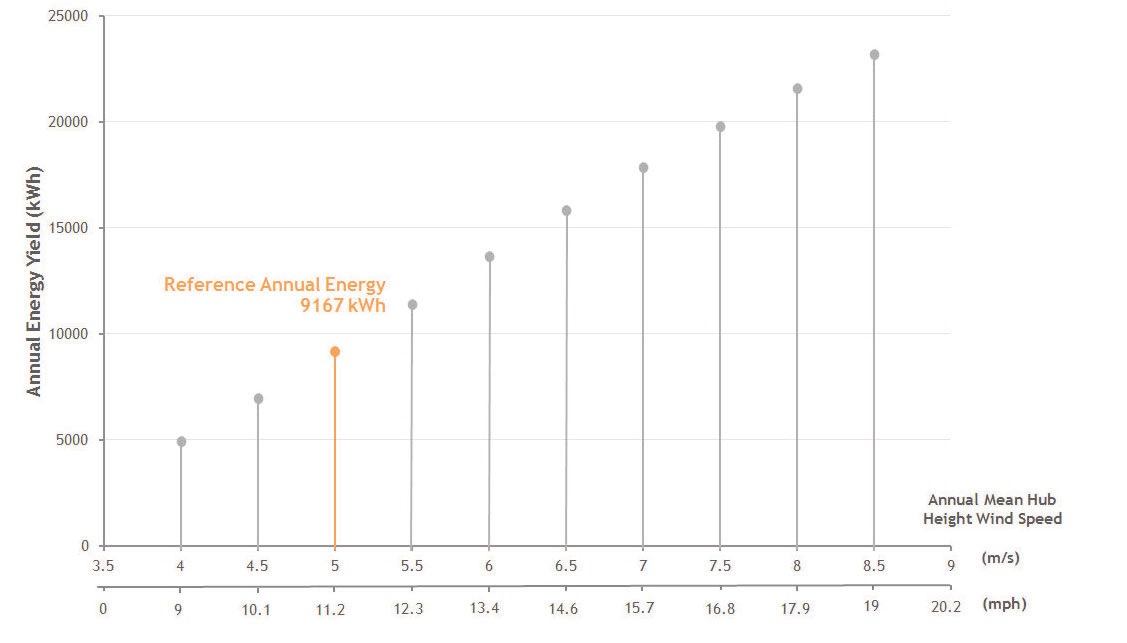
During the last few months the Evance R9000 small wind turbine has undergone further tests which have confirmed its energy generation has increased by over 4% to 9,167kWh at a wind speed of 5 metres per second.

The R9000 5kW turbine was one of the first small wind turbines to be fully certified under the Microgeneration Certification Scheme (MCS) in July 2010, and since then has received system improvements.

Evance R9000 installed in Wexford

Many Evance customers have already benefitted from higher than expected energy generation as the R9000 system improvements were implemented several months ago. For example, Clive Breeze was pleasantly surprised with the energy generated from his recent installation: “Inthe first three weeks alone, the R9000 turbines exceeded the predicted energy generation targets by 10 percent and the first quarterly electricity bill showed a reduction of over £300 per month.”

Annual Energy Yield vs Annual Mean Wind Speed


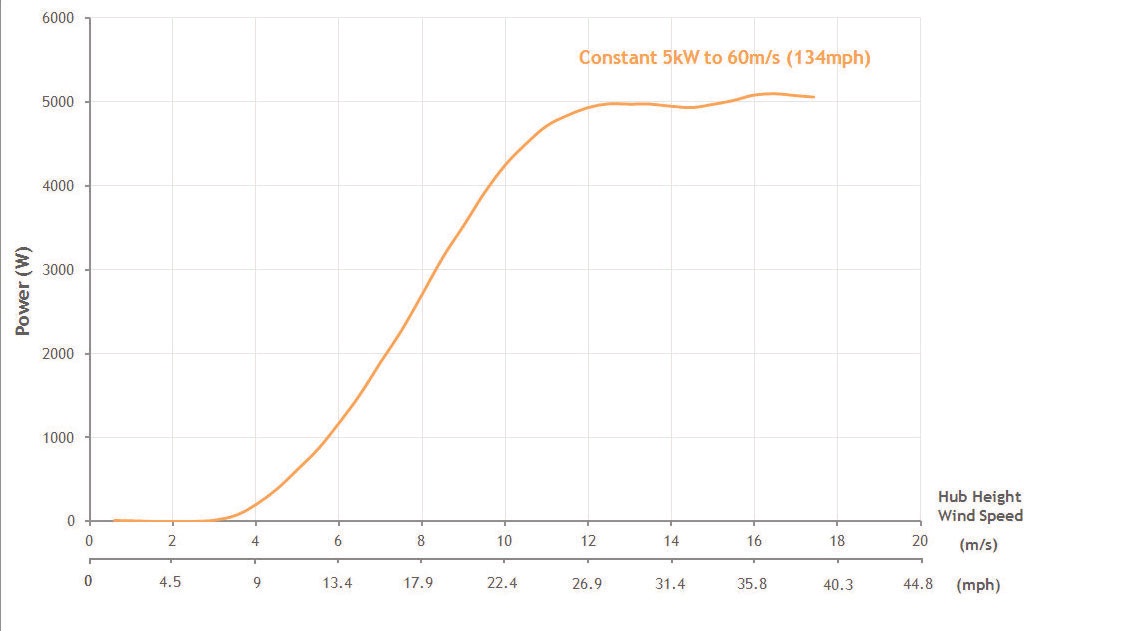
Average Power vs Wind Speed


We’re delighted that our R9000 turbine is proving so efficient in energy production as this translates directly into a faster return on investmentfor our customers,” said Kevin Parslow, CEO of Evance Wind Turbines. “We design and manufacture our turbines here in the UK, so our customers are quick to benefit from any improvements that we make.

Our R9000 machine accounted for a third of all small wind turbines sold in the UK last year – making it the UK’s small wind turbine of choice. We look forward to maintaining our leadership position as we continue to develop our renewable energy system offerings,” concludes Kevin.


Micro-generation export and Refit tariff updates

Micro-generation covers small scale generators where customers can generate their own electricity and export the surplus back to the grid. Microgeneration technologies include small scale wind turbines, hydro turbines and solar photovoltaic systems.

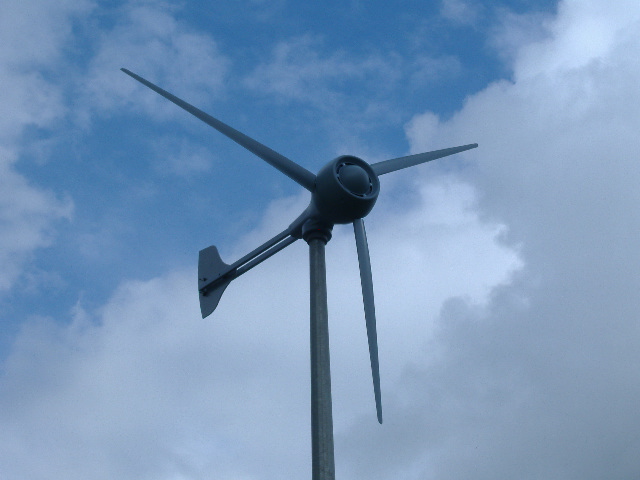
Evance R9000 5kW Wind Turbine

Electric Ireland have extended their micro-generation payment of (9 cent / kWh) by a further year to 31st December 2012. This will be the second successive year that the expiry date has been extended and it reinforces Electric Ireland’s commitment to its support of customers who install a domestic micro-generator.

ESB Networks continue to offer a support package up until 29th February 2012, comprising of a free installation of import / export meter and payment of a support payment of (10 cent / kWh) which applies to the first 3,000kWh exported annually. This payment will last for a period of 5 years and will end on the 5th anniversary of the contract start date.

The ESBN micro-generation payment (10 cent / kWh) and the free installation of import/export meters will not be extended beyond 29th February 2012.  Import/export meters will now be charged at approx €350.00.

Solar pv slates

Budget 2012 and VAT refund for Farmers

The 2012 Budget included an extension of the existing VAT Refund Order for flat-rate farmers to include a refund on the purchase of wind turbines.

The existing VAT refund order, which provides for the refund of VAT paid by un-registered farmers on the construction of farm buildings, fencing, drainage and reclamation of farm land, has been amended to provide that such farmers may claim a refund on wind turbines supplied and installed after  1st January 2012.

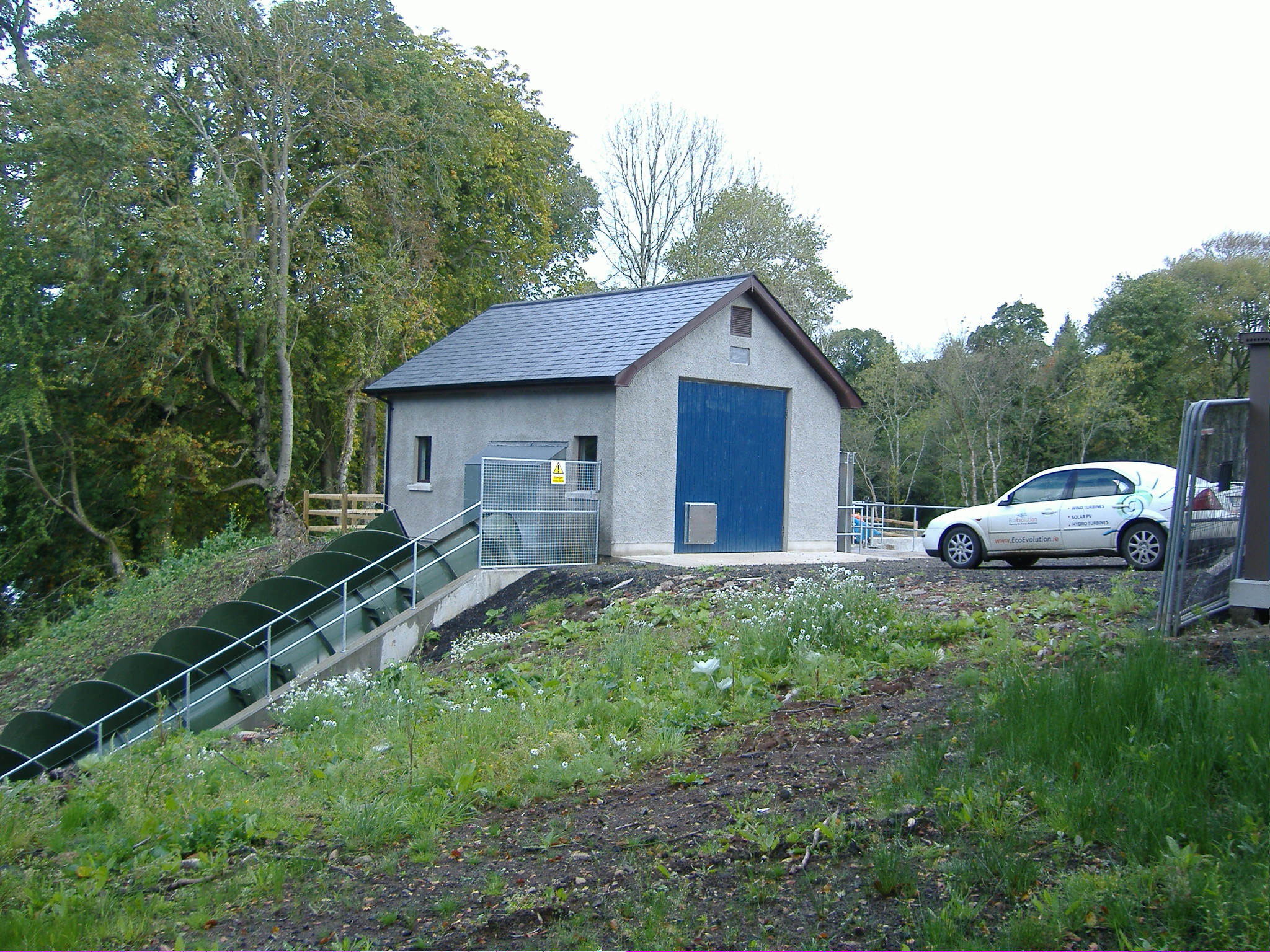
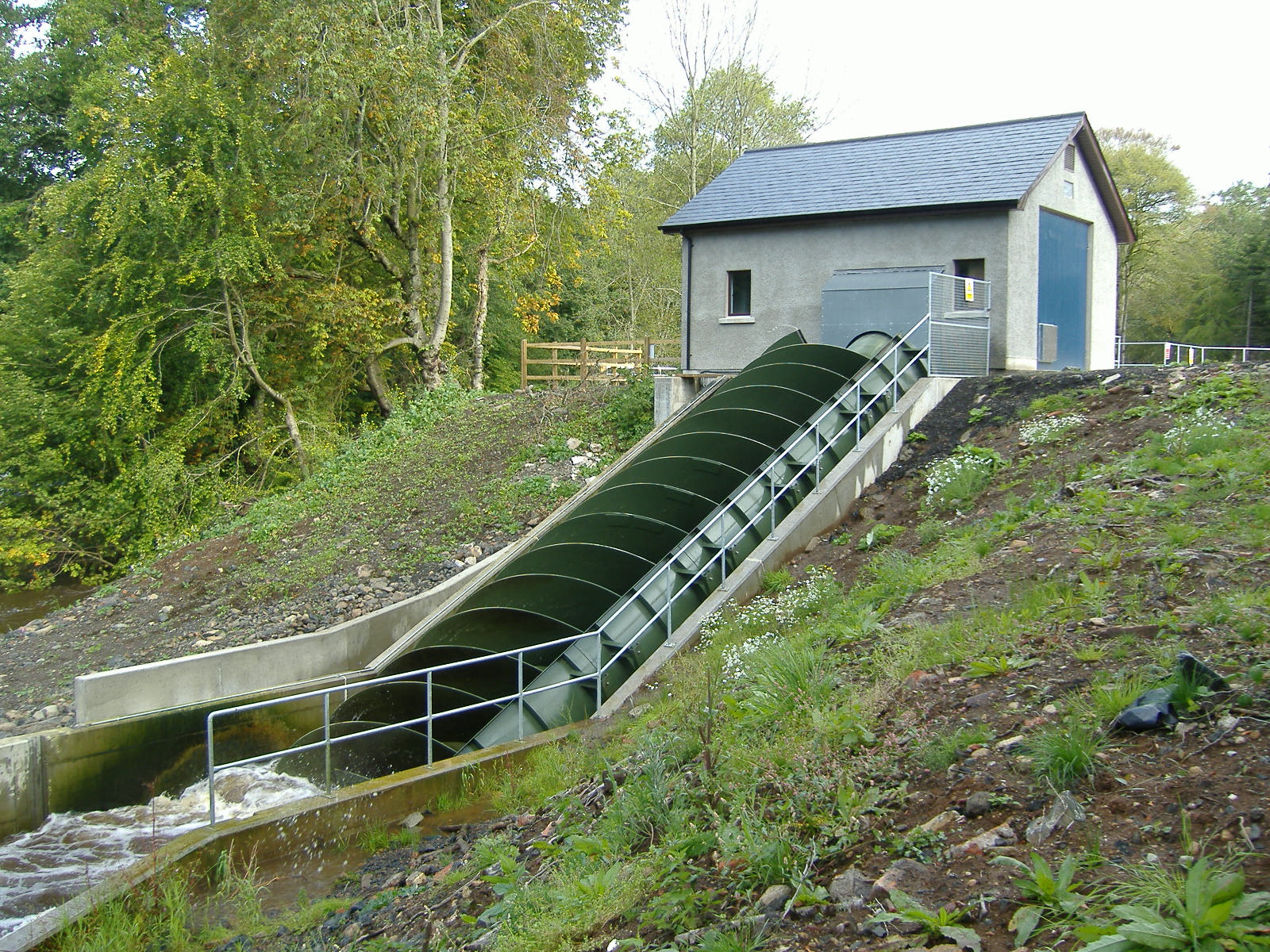
Archimedean Screw Hydro Turbine ~ Shane’s Castle

REFIT – Renewable Energy Feed-In Tariff

REFIT stands for ‘Renewable Energy Feed in Tariff’ and is the primary means through which electricity from renewable sources is supported in Ireland.

The REFIT II scheme (onshore wind, small hydro and landfill gas) is open as and from 23rd March 2012 and the REFIT III (biomass technologies) scheme opened in February  2012. Both schemes are for projects built and operational between 1/1/10 and  31/12/15.


Terms and conditions for REFIT II (Onshore wind, hydro and biomass landfill gas) can be found here

The REFIT II scheme is intended to cover small and large scale onshore wind, biomass landfill gas and small hydro (?5MW.) To be eligible for REFIT II, the various requirements that will be set out in the terms and conditions must be fulfilled including proof of planning permission and grid connection -plants must be new plants neither built nor under construction on 1/1/2010.


Terms and conditions for  REFIT III (Biomass Technologies) can be found here

REFIT III is a scheme to cover 310MW of certain biomass related REFIT categories as follows:

> 50MW of AD sub technologies (AD CHP ?500 kW ; AD CHP >500 kW; AD (non CHP) ?500kW ; AD (non CHP) >500kW);

> 100MW of Biomass CHP (non AD) sub technologies (biomass CHP ?1500kW; Biomass CHP >1500kW);

> 160MW of biomass combustion and co-firing.

NOTE:

The REFIT II and REFIT III competitions are separate schemes with separate terms and conditons in respect of each scheme.

New clarifications may issue in due course on the new Terms and Conditions, if deemed necessary.


Local school bottles it!

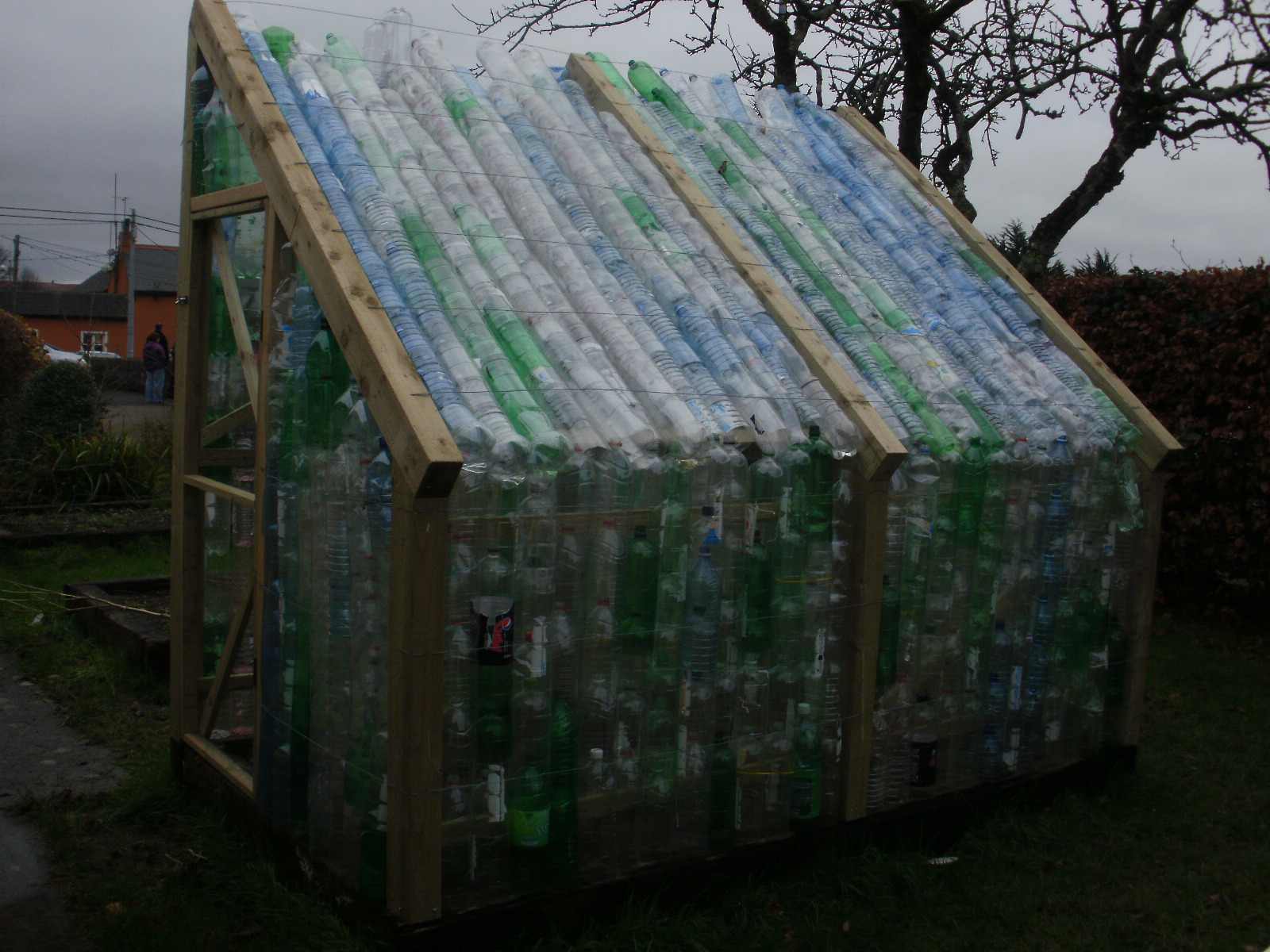
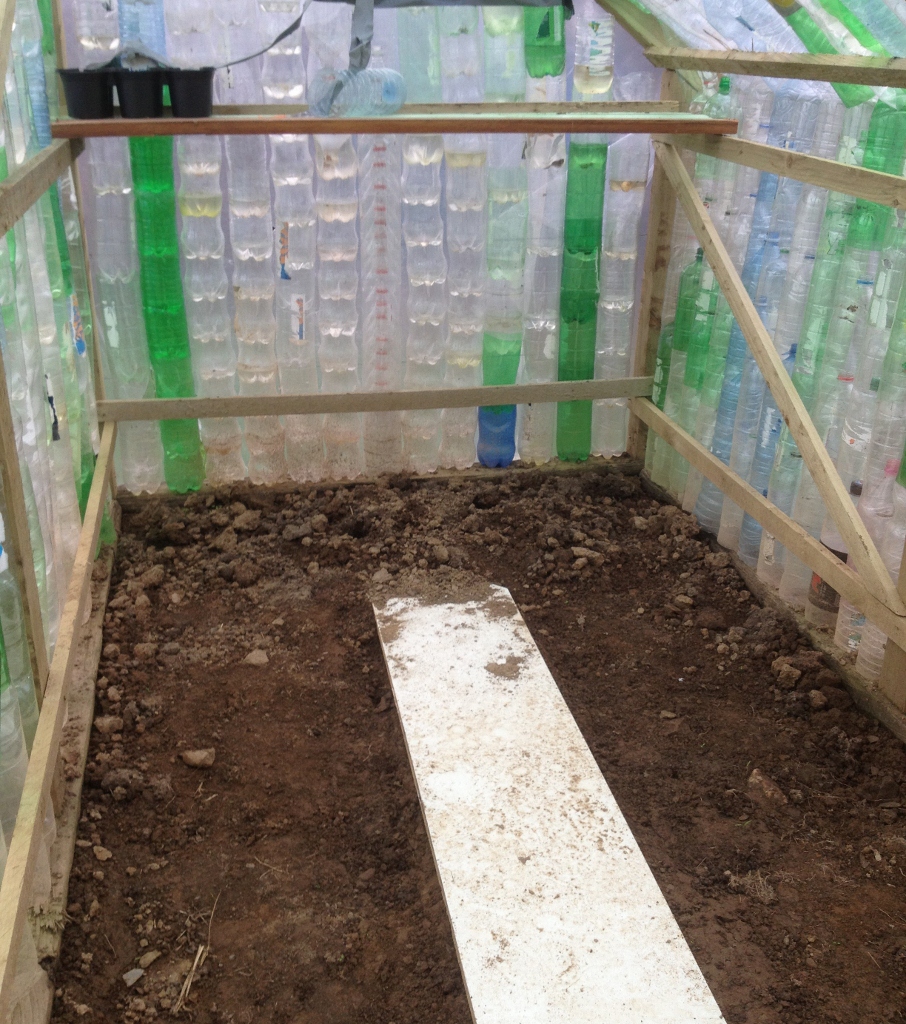
Over the past few months the children of Scoil Naomh Maodhóg in Ferns, Co. Wexford have been busy collecting two litre plastic bottles to construct their latest eco-friendly project. The bottles have now found a new lease of  life as the school’s eco-friendly greenhouse.

Plastic bottle greenhouse
Preparing greenhouse for vegetable planting

The lids and labels were removed and the bottoms were trimmed to allow them to slot into each other to create a long tube. The tubes were then stacked side by side and secured into the timber  frame with wires spaced at intervals up the frame and roof.  The wires hold the bottle in place and it is the cross tie wire that binds it into a solid wall, closing most of the gaps.

This is the perfect project for schools as it is a great re-use educational structure that really works.

The school has a ‘green’ ethos that is to be admired and is working towards becoming a more environmentally friendly and sustainable school.  School projects to date include the creating of  raised flower and vegetable beds, wildlife garden and pond, a  newly planted woodland area, the erection of bird boxes, butterfly boxes and an insect hotel that are all tended by the children. They make their own compost and water the plants with the rainwater they collect.

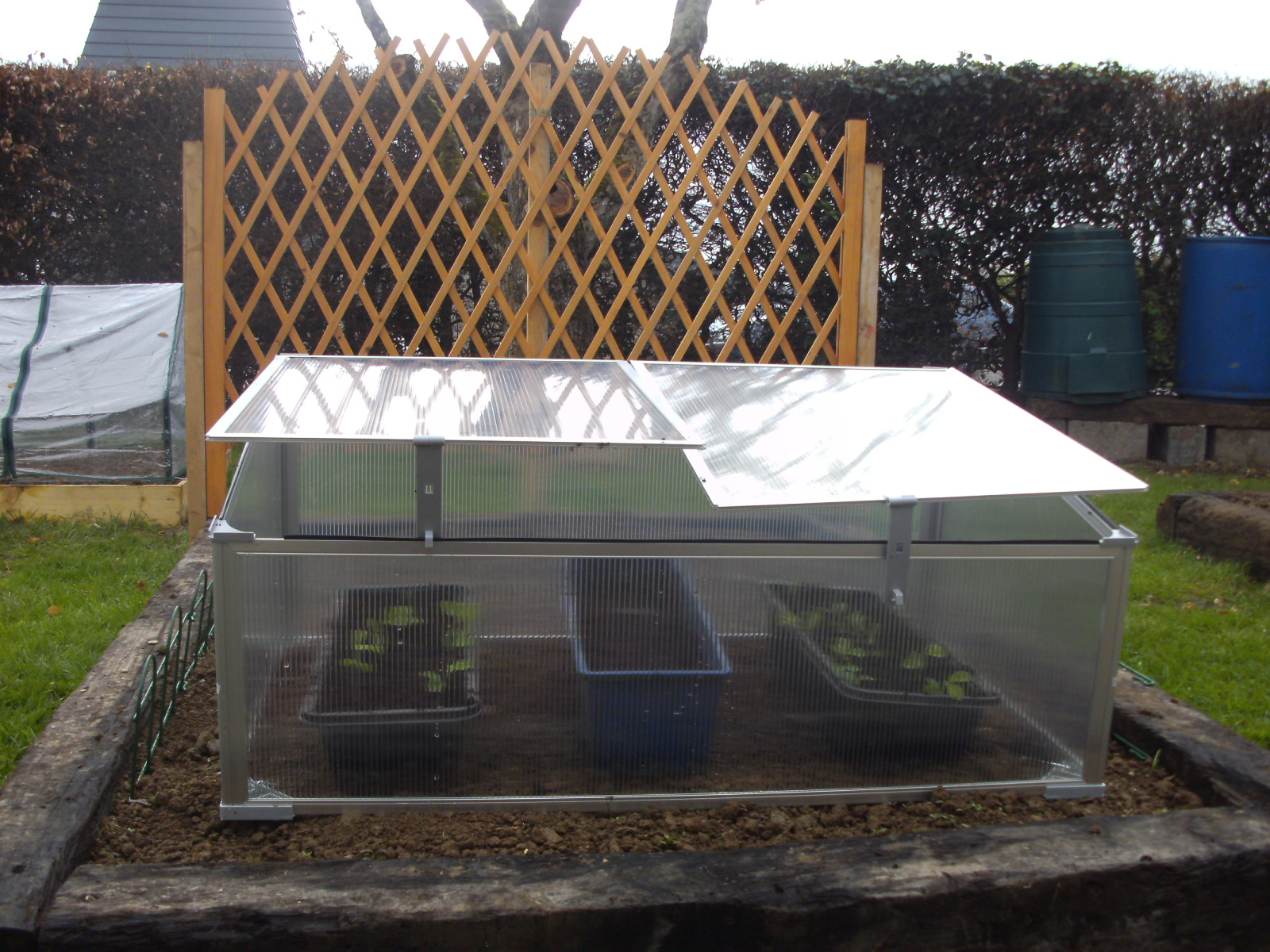
Cold frame protecting the young plant
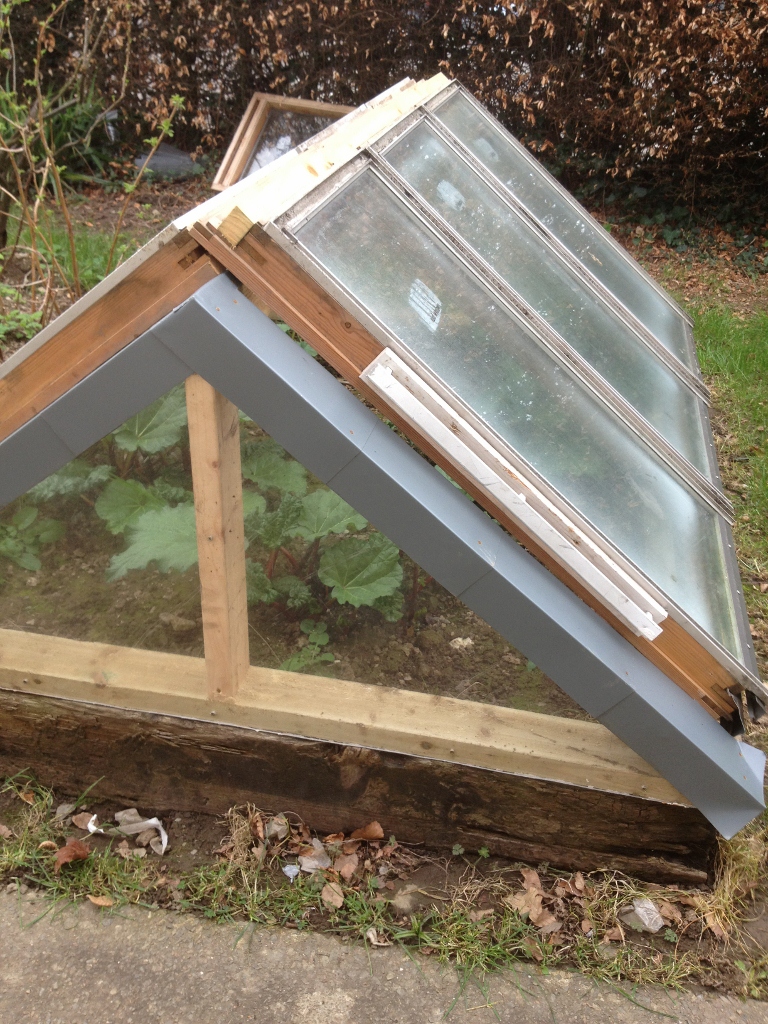
Coldframe made from old windows

The children are introduced to growing their own vegetables. They plant the seeds and wait patiently for them to germinate.  They are then planted out when weather permits and  each class take turns to water and keep them weed free. There is great excitement when its time to harvest the produce as they get to divide it and bring it home.

Last year the potatoes were harvested and the children cut them into chips. They were then brought to the local diner to be cooked. A very tasty meal was had by all!

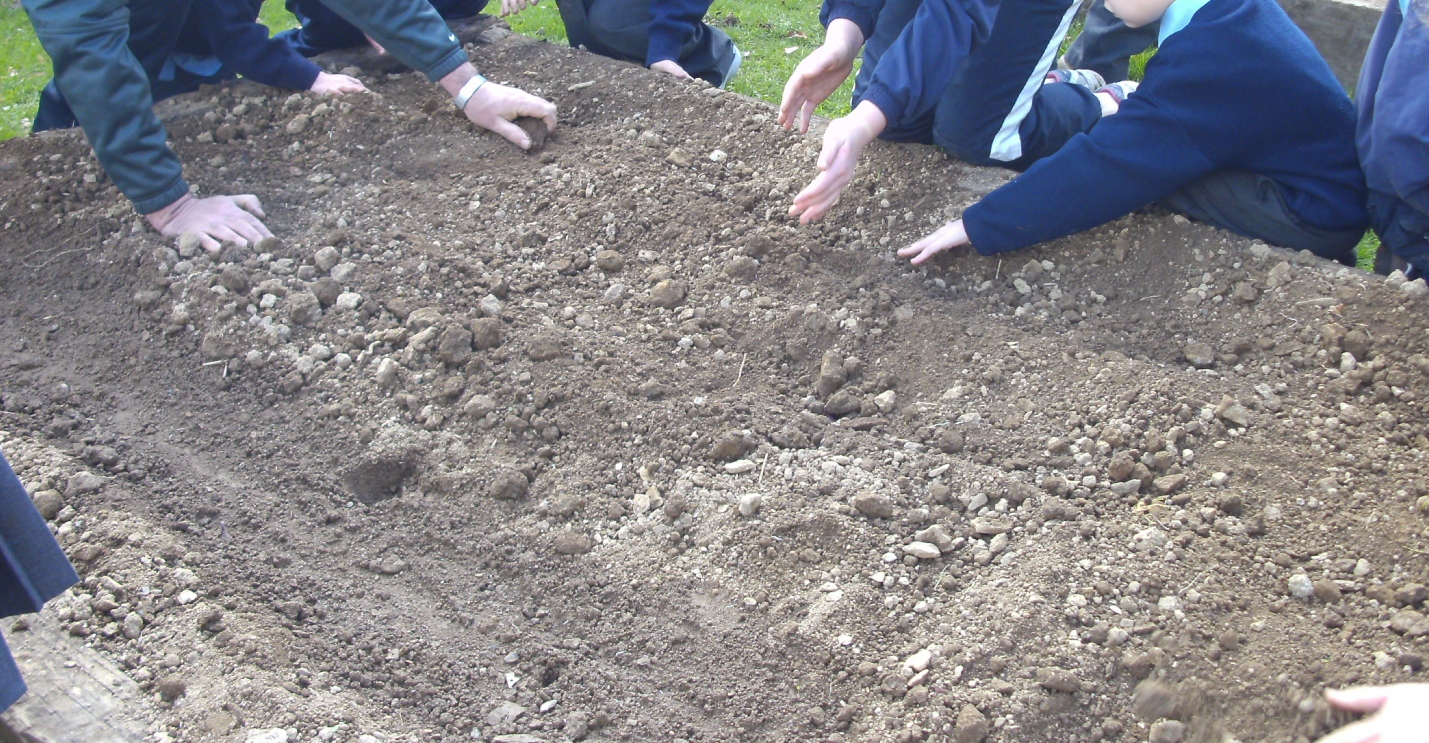
Planting potatoes in one of the many raised vegetable beds
Pond and wild flower garden

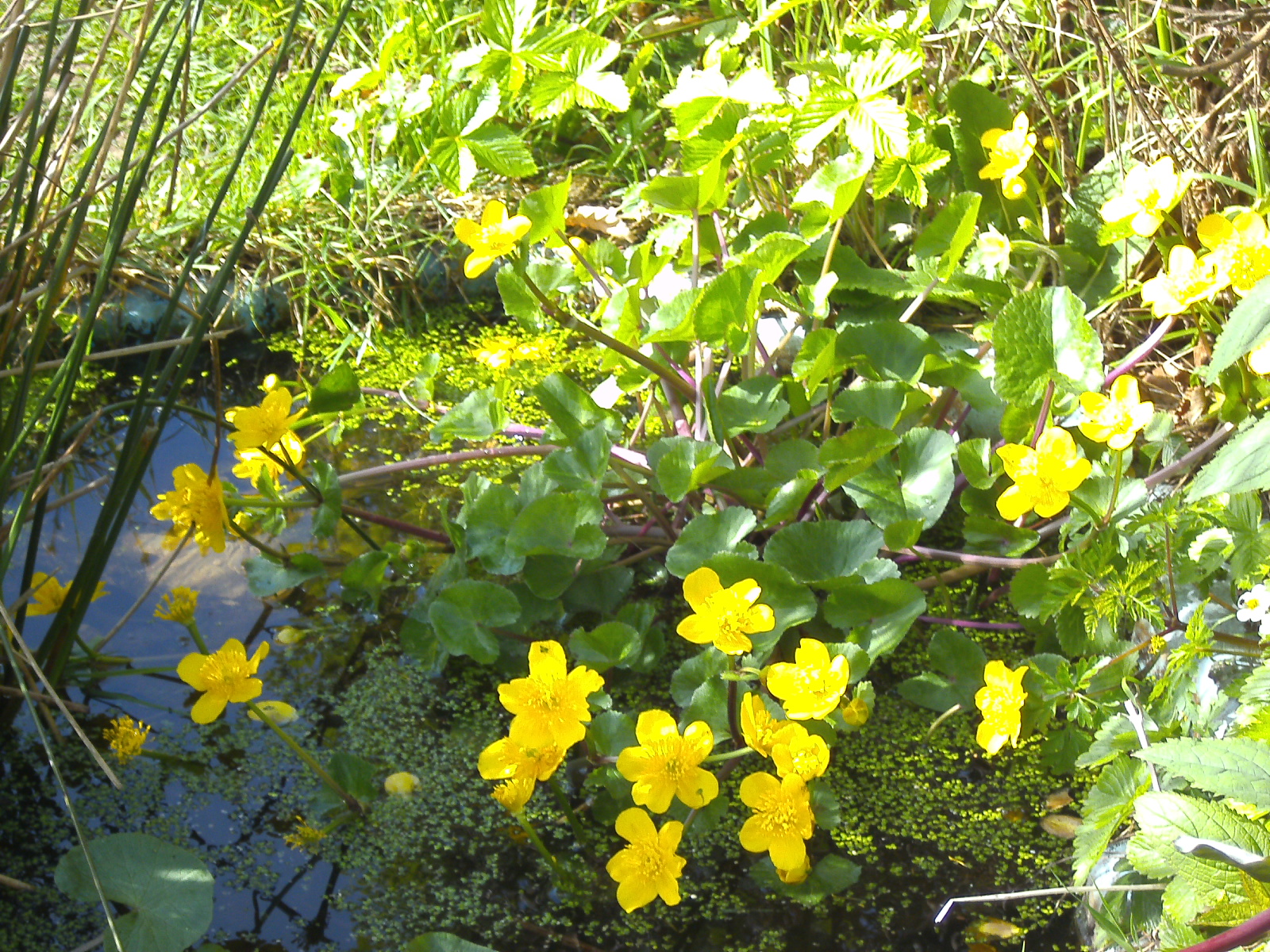
A  long side the pond the children have planted a variety of nectar producing plants and shrubs to encourage butterflies and other nectar loving insects into the garden. Rough grass margins have also been successfully established and this provides an excellent habitat for many insects and is ideal for the newly-emerged frogs that are a great attraction for the children every year.

Native tree nursery

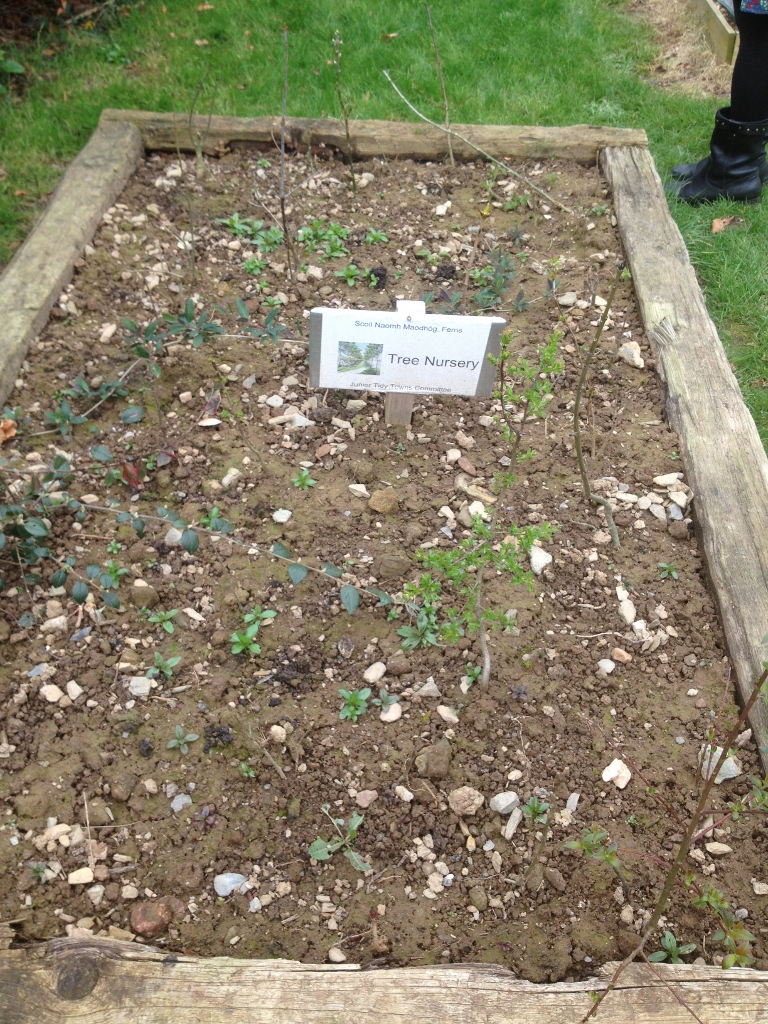
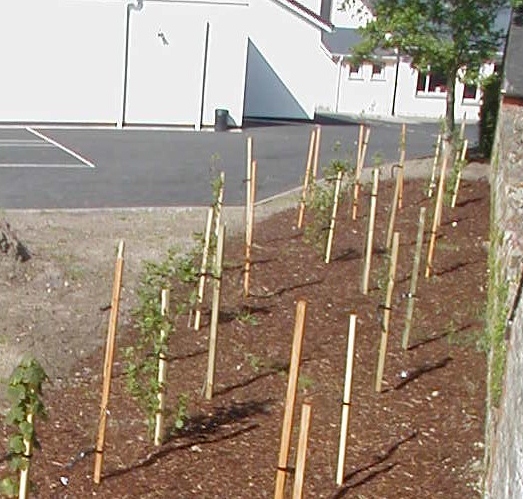
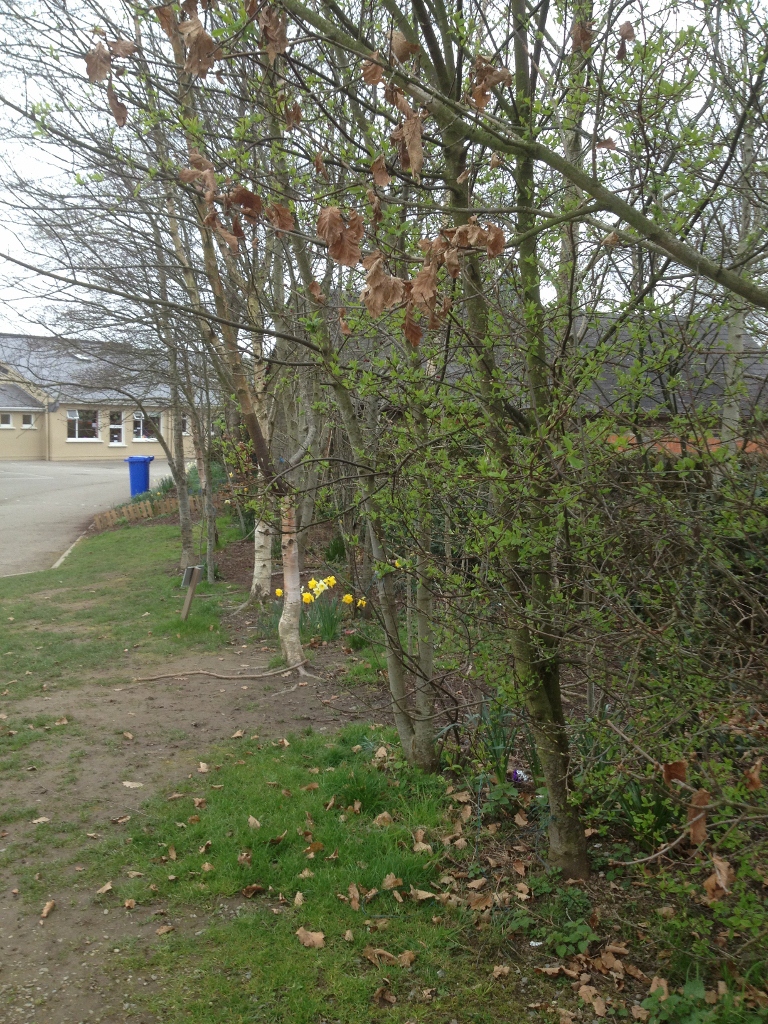
Last year the school  began the task of extending the existing Woodland area. It was decided to plant only native species to the area  so the children brought in tree sapplings from their own gardens and created a nursery. When they were strong  enough they were planted out in the well prepared area. Their aim is to create natural habitats so as to introduce various insects, butterflies and birds into the school grounds. The children have great fun walking through the Woodland, turning up stones and wood to see what insects are lurking beneath.

Newly planted woodland area


Mature woodland area rich in biodiversity


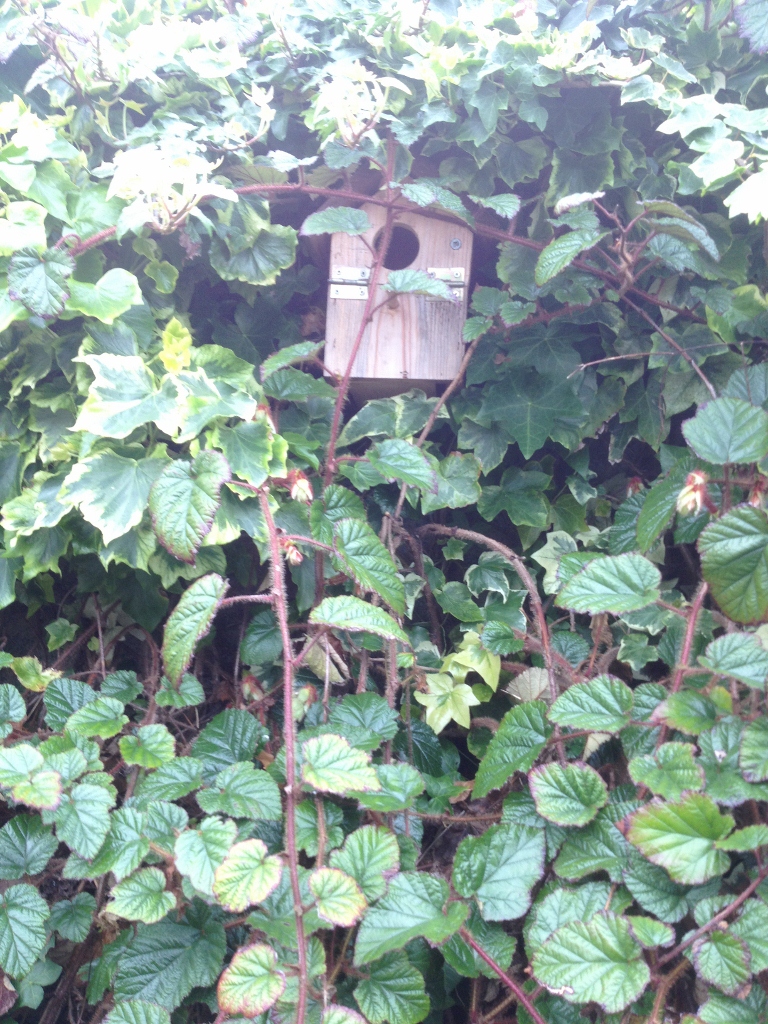
Birdboxes are placed in safe areas to attract birds to the school grounds


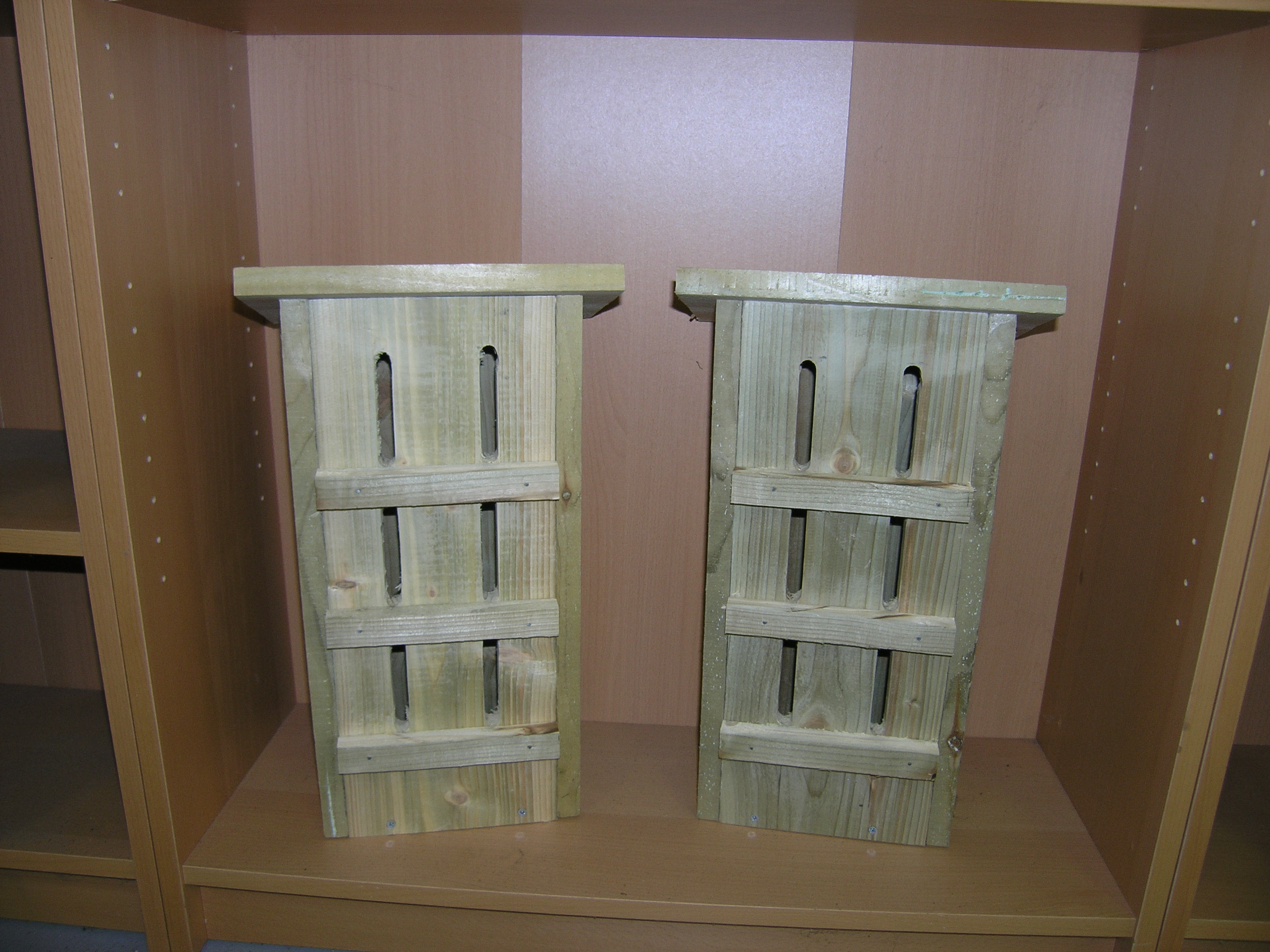
Butterfly boxes

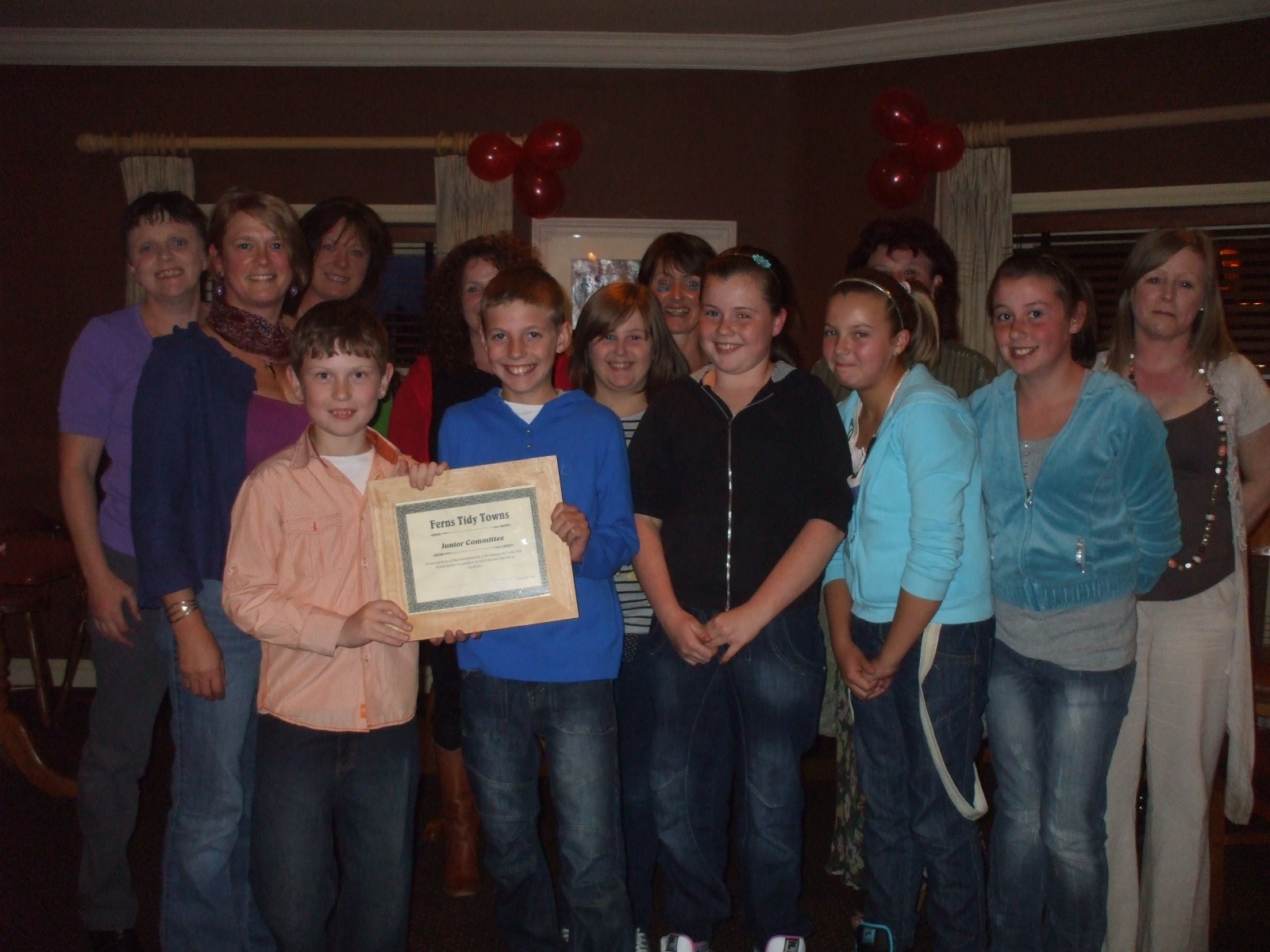
Last year a Tidy Towns Junior Committee was formed. They are a great asset to the community as they are involved in keeping the school litter free, promote energy efficiency and recycling and reusing in the school. They were also involved with the development of the Community Park.  They were presented with an Endeavour Award  in recognition of their great work and achievements. They are busy planning some very exciting projects at the moment which are so top secret thet they won’t even divulge the details to the Ferns Tidy Towns Committee. May just watch this space!

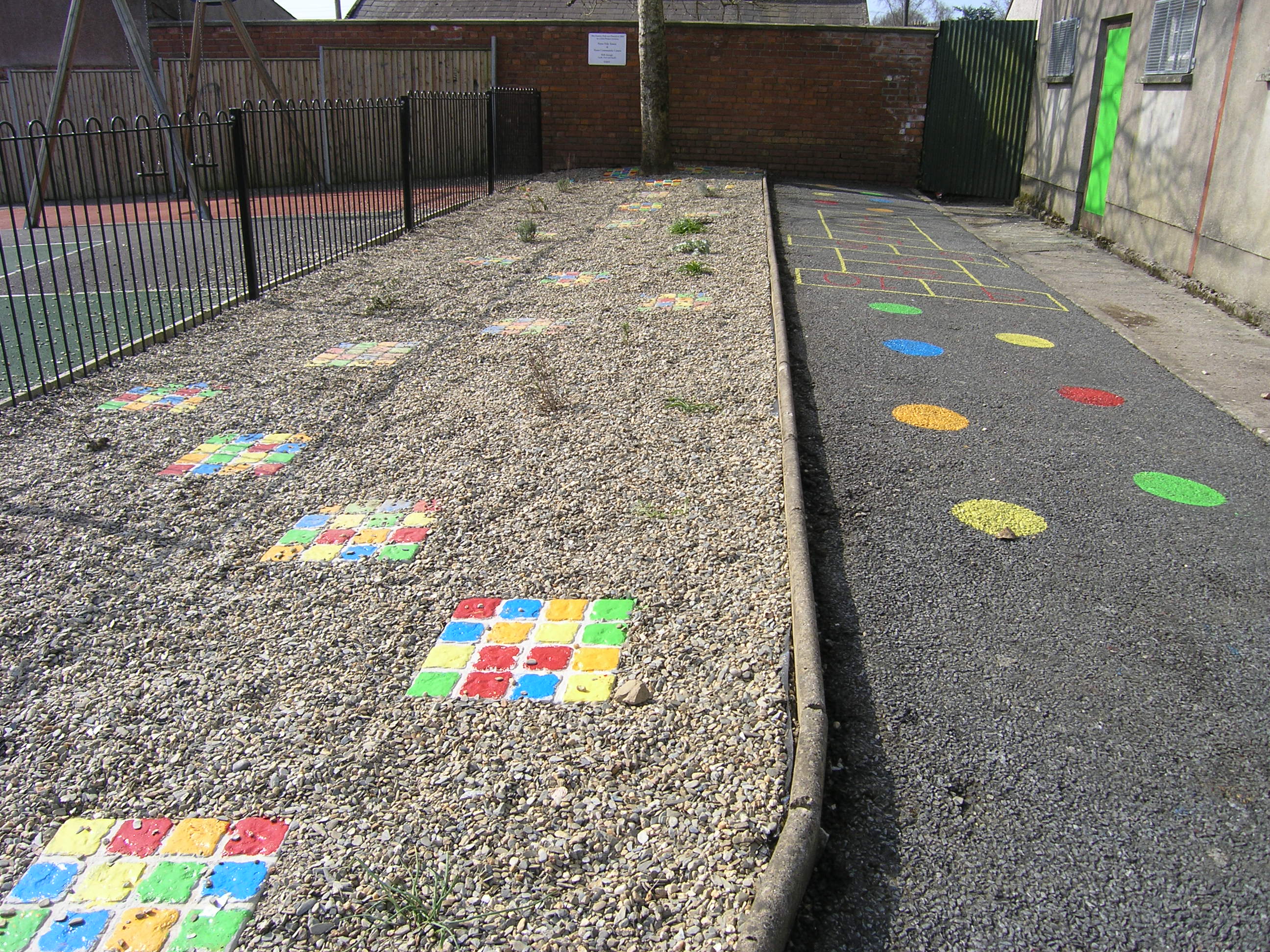
Sensory garden and hopscotch area
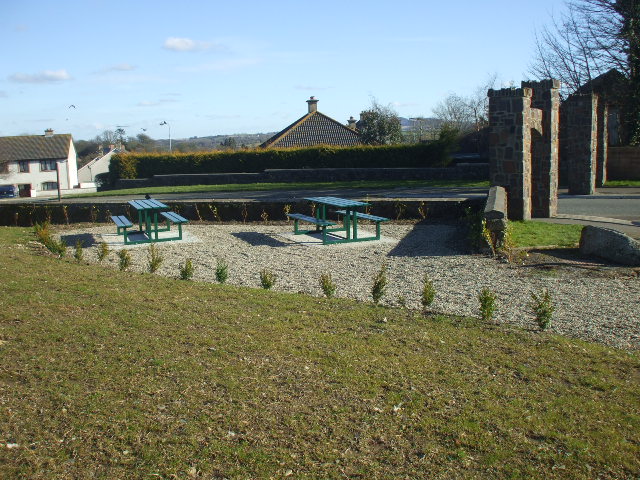
Picnic Area in the Community park
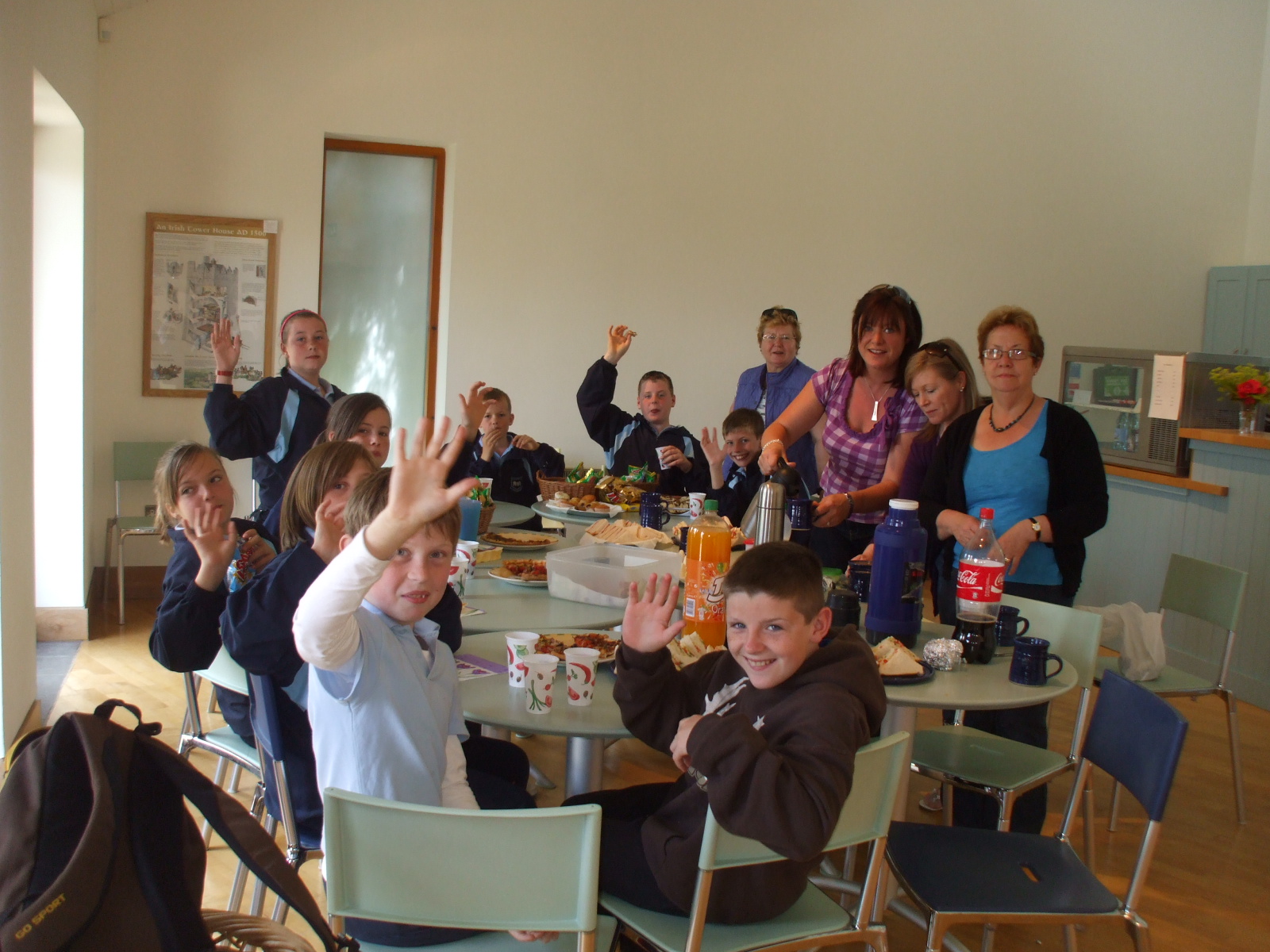
Members of Junior Tidy Towns enjoying the end of year party organised by Ferns Tidy Towns Committee.
Junior Tidy Towns receiving their well deserved Endeavour Award

It is one of the most energy efficient schools in the area. Over the years the school has taken on projects such as upgrading their insulation, installing new windows and replacing incandescent light bulbs with energy saving light bulbs. The children have a great awareness of energy saving. Simple measures like turning off lights and closing doors when leaving a room help to conserve energy.


Farmers show interest in Micro-hydro power.

In a suitable location small-scale hydropower is one of the most cost-effective and reliable of the renewable energy technologies.   It has several advantages over wind and solar power, with a high level of predictability, varying with annual rainfall patterns. It is a long-lasting and robust technology and systems can readily be engineered to last for 50 years or more.

Those attending were given an understanding of the principles of micro-hydro, connecting to the Grid and the economics of potential systems. Eoin was then able to demonstrate the plant on Ballynalough Farm.

Renewable Energy Event at CAFRE’s Enniskillen Campus on 22 February 2012:

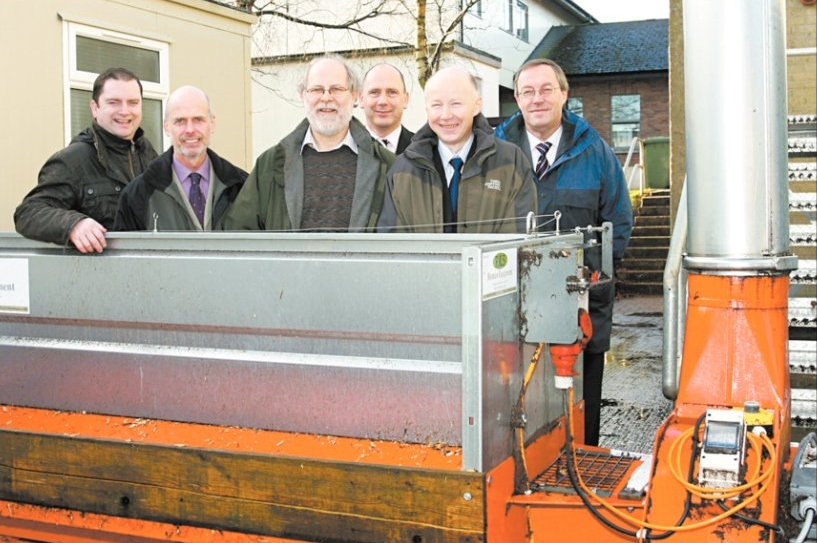
Organising committee. From left: Gareth Gormley, DARD, Connor Maguire, CAFRE, Lindsay Easson, AFBI, Kieran Coulter, DARD, Eric Long and David Trimble, CAFRE.

For those  interested in energy from micro-hydro and other renewable technologies, DARD, in conjunction with the Ulster Farmers’ Union  and Agri-Food and Biosciences Institute are running another Practical On-farm Renewable Energy Event, this time at CAFRE’s Enniskillen Campus on Wednesday 22 February from 1.30pm through to 10.00pm.

The Fair is open FREE of charge to anyone in the farming and rural sector who are interested in reducing their costs through adopting more energy efficient practices and will provide a platform to network, source, meet suppliers and keep up-to-date on energy-saving systems and renewable technologies.

There will again be a series of seminars throughout the day on each of the main renewable energy technologies; wind power, biomass production and utilisation, anaerobic digestion, solar hot water, micro-hydro, and heat pumps.

A second series of seminars will deal with many of the issues facing those considering a green energy source. Topics covered will include the proposed Renewable Heat Incentive (RHI), grid connection, planning, NI Renewable Obligation Certificates (NIROC’s), business planning, taxation, as well as finance and funding options.

In addition there will be a Trade Exhibition and the opportunity to see the biomass boiler installation at Enniskillen campus. For further details contact Connor Maguire at 028 6634 4853 or connor.maguire@dardni.gov.uk

Hydro projects in Northern Ireland: 

The first ever Archimedean Screw generator in Northern Ireland was only recently installed at Shane’s Castle in Antrim. Rated at 214 kilowatts this is the largest single Archimedean Screw generator ever manufactured. It is now fully commissioned  fully operational.

The predicted annual output is a massive 1,125,000 kilowatt-hours. To put this in perspective, an average household uses less than 5,000 kilowatt-hours per year, so this hydro scheme has the potential to power more than 225 houses. This scheme will also save an impressive 484 tonnes or more of Carbon Dioxide (CO2) emissions by generating clean, green electricity.

Shane’s Castle Hydro Project, Antrim

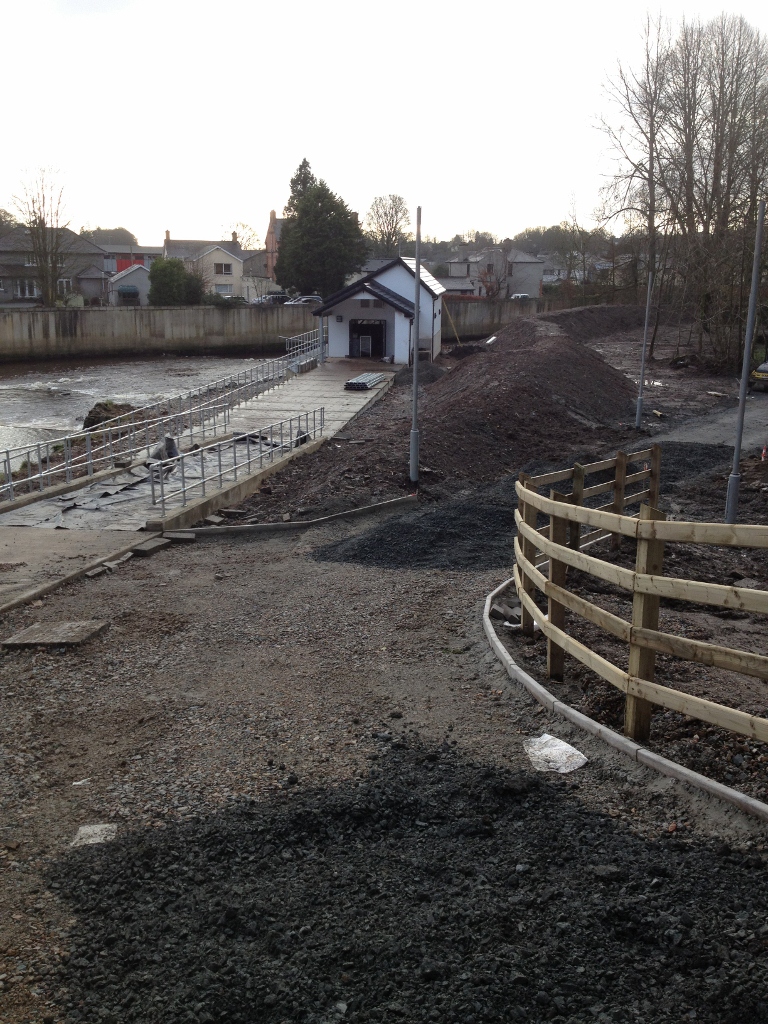
Omagh District Council  are  utilising the weir on the Camowen River, adjacent to Omagh Leisure Complex, to generate electricity through an Archimedean Screw hydro turbine. This hydro project is the second of only two Archimedean Screw hydro projects to date in Northern Ireland. The development of the hydro scheme on the Camowen River will generate sufficient power to meet the needs of Omagh Leisure Complex with excess electricity sold back to the national grid. Rated at 121 kilowatts the hydro turbine is predicted to save in excess of 133 tonnes of Carbon Dioxide (CO2) annually. It is expected that this project will be fully commissioned and operational in the coming weeks.

Omagh Hydro Project, Tyrone

We look forward to meeting you at the show.

We offer a friendly one-stop shop for hydro development, from feasibility studies to licensing, to installation and commissioning and everything in between.


Small wind turbines ride out last week’s Atlantic storms

Last week’s violent Atlantic storm brought extremely high winds to the West and North of Scotland, with the Met Office recording maximum wind gusts of 165mph on Cairngorm Summit and 145mph at Aonach Mor.* The Met Office issued its strongest warning – a red alert – for winds in Scotland, and people were warned to stay indoors, schools were forced to close and flights were cancelled.

For owners of Evance R9000 small wind turbines, however, Scotland’s extreme wind speeds didn’t present any challenges. The Evance R9000 turbine is designed to keep running in the highest winds, and features an innovative Reactive Pitch™ mechanism that automatically pitches the turbine’s blades so it can regulate energy capture and blade speed.

Evance has over 50 of its R9000 turbines installed in the Orkney Islands. All continued to perform well during the storm, confirming the applicability of small wind turbines even in these most extreme conditions.

Evance R900 5kW Wind Turbine

One Evance turbine owner, Adam Cockram, lives on Eday – one of Orkney’s Northern Isles – where peak gusts of over 130mph (58 metres per second) were recorded. According to Adam: “on Thursday night and Friday morning last week the wind gusted at up to 138mph. I did wonder whether our Evance turbine would keep going, and I’m glad to say that there were no problems at all!”

“Like many in Orkney we experienced several mains power failures. Each time the turbine started back up with no problems at all,” continued Adam. “I’m certainly impressed by the quality of both the Evance turbine and the installation carried out by Orkney Micro Renewables. It’s certainly been tested here on Eday!”

Adam Cockram’s Evance R9000 turbine was commissioned in August 2011, and in five months has already produced 7,343kWh of electricity.


The Evance R9000 installed on a farm near Ferns, Co. Wexford.


Note

*http://www.metoffice.gov.uk/news/releases/archive/2011/research-flight


Renewables in harmony with nature

BirdLife Europe is calling for “ambitious” and “binding” EU renewable energy targets for 2030. In its new report, ‘Meeting Europe’s Renewable Energy Targets in Harmony with Nature’, the conservation body says that renewable energy targets can be met without harming nature.

Renewable energy technologies do not harm bird populations, provided the most sensitive locations are avoided and established best practices in design and operation are maintained.

Meeting Europe’s Renewable Energy Targets in Harmony with Nature

Ariel Brunner, Head of EU Policy in BirdLife Europe says: “Climate change is a grave threat to both wildlife and people…….wind, wave and ocean power are essential and effective ways to cut carbon emissions, and do not need to put birds, bats or other wildlife in danger. Our report is essential reading for policy-makers across Europe as renewable energy moves to centre stage in the fight against dangerous climate change.”

Climate change poses an enormous threat to biodiversity all over the world and we need to develop renewable energy solutions quickly in order to cut carbon emissions and keep warming within safe limits. The report notes that “renewable energy must become the backbone of Europe’s energy supply”, but it also says that it must be developed sensitively. “The challenge we face is to protect nature whilst deploying renewables at the scale and pace required.” However, we need to develop the right solutions in the right locations to avoid negatively impacting on biodiversity.

With the effects of climate change already being felt and carbon emissions actually increasing last year, the need for new sustainable energy has never been greater. But we need to be careful that this renewables revolution doesn’t damage the very ecosystems it seeks to protect. With the launch of its new report, ‘Meeting Europe’s Renewable Energy Targets in Harmony with Nature’, in Brussels on 22 November, BirdLife Europe shows how we can meet our 2020 renewable energy targets without impacting on wildlife.

Meeting Europe’s Renewable Energy Targets in Harmony with Nature

BirdLife Europe supports achieving and going beyond Europe’s 2020 renewables target, in line with four key principles.

  • Renewable energy supply must make a significant difference in reducing greenhouse gas emissions.
  • Positive planning frameworks are needed so that the most appropriate energy sources are exploited in the most appropriate places.
  • Harm to birds and biodiversity must be avoided when locating and designing renewable energy facilities. Established survey, design and operation practices reduce or eliminate such risks.
  • Europe’s most important sites for wildlife must be protected. Where significant impacts on a Natura 2000 site (those protected under the Birds and Habitats Directives) are likely, development may only proceed under strict conditions, which must be robustly applied.

Harnessing the clean, renewable energy provided by the sun, wind, waves and tides is the only sustainable energy future for Europe. The renewables revolution can and must work in harmony with, and not against, nature.

BirdLife Europe/International is a global Partnership of conservation organisations that strives to conserve birds, their habitats and global biodiversity, working with people towards sustainability in the use of natural resources. Seventeen organisations participated in the making of the report, including BirdWatch Ireland and the UK’s RSPB.

Read the full report here: Meeting Europe’s Renewable Energy Targets in Harmony with Nature

Read summary report here: Meeting Europe’s Renewable Energy Targets in Harmony with Nature

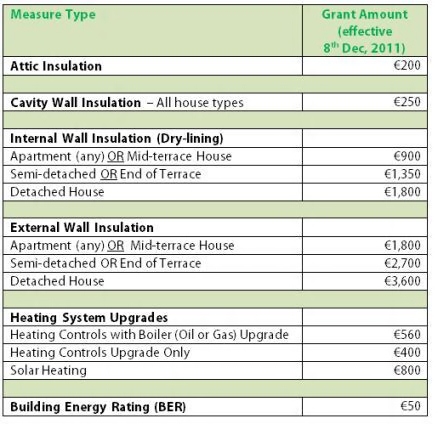
Better Energy Homes Scheme – New Grant Amounts

The Better Energy Homes scheme temporarily closed for new applications following Budget 2012 and a subsequent announcement by the Minister for Communications, Energy and Natural Resources reopened for new homeowner applications on December 8th 2011.

A number of scheme revisions have been agreed and the two key changes to the scheme are:

  • Revised grant amounts for all wall insulation types and Building Energy Rating (BER)
  • Internal and external wall insulation grants will no longer be one single amount, but rather be based upon the house type.

Grants for attic insulation and all heating system upgrades including solar remain unchanged.

A summary of the new grant levels, and how they relate to house type, is shown below:

A Building Energy Rating (BER) is an integral part of all grant applications under the Better Energy Homes scheme, whereby homeowners must undertake a BER on their home after grant aided works have been completed. A homeowner is entitled to BER funding of €50 once per home. This funding will be applied to your grant application automatically provided you have never applied previously for BER funding. You will be informed during the online grant application process if BER funding is available for your home or as part of your Letter of Grant Offer if you have applied through the post. It is advisable that you apply for and undertake all planned grant aided works at the same time to minimise the costs of multiple BER assessments.

Please note the minimum grant amount for the first application must be €400. A BER grant, where applicable, does not count towards the €400 minimum.

Further information on the Better Energy Home Scheme Grants can be found at www.seai.ie

Dreaming of a Green, Green Christmas.

Christmas is a time of the year when lots of waste is generated and our energy consumption overall is greatly increased. It is a time for celebrations and with a little thought and imagination we can help reduce the environmental impact of the festive season.

Here are some Green Christmas tips that’ll help you to save money, reduce your Christmas carbon footprint and won’t cost the Earth!

Although plastic Christmas trees are reusable from year to year, real trees are the more sustainable choice. Plastic trees are made mostly of plastic and use up resources in both the manufacture and shipping. While artificial trees theoretically last forever, research shows that they are typically discarded when repeated use makes them less attractive. Discarded artificial trees are then sent to landfills, where their plastic content makes them last forever.

Live trees, on the other hand, are a renewable resource grown on tree farms, that are replanted regularly. They contribute to air quality while growing, and almost ninety percent are recycled into mulch. Live trees are usually locally grown and sold, saving both transportation costs and added air pollution.

Go to your local council’s website after Christmas for details on tree recycling and collection.

Visit your local garden centre and buy a live Irish grown tree in a large pot. This will allow you to reuse the tree for a few years without having to plant or re-pot the tree. If you have a spacious garden the tree can be planted out after Christmas where it can be enjoyed for many years and also help the environment.

LED Fairy Lights

We all like to decorate our Christmas trees and the exterior of the house with hundreds of those little twinkling lights and you don’t have to stop doing that to go green. However, you do need to replace those traditional Christmas lights from years past with the newest kid on the block – LED (light emitting diode) Christmas lights.

They use up to 90% less energy than traditional incandescent Christmas lights. Beyond the decrease in energy usage, these LED lights produce very little heat which significantly reduces the risk of fire and they last about 10 times longer than traditional lights (about 200,000 hours).

Look for locally made gifts – many gifts today come from halfway around the world, and the impact of transportation, the raw materials, manufacturing ethics, use of toxic chemicals etc contributes significantly to greenhouse emissions and global warming. Local markets, craft fairs and artisan shops are a good source for gifts that come without the added costs of transportation.

Local markets and Artisan Food Shops

Choose gifts made from recycled sources – many individuals and small businesses have developed great products using recycled materials. Supporting these businesses helps reduce the waste stream while promoting the concept of making best use of available materials.

Why not consider the gift of a tree for someone special this Christmas.  Planting a tree can be a very touching gift as it will last a lifetime.  Trees are also very beneficial for the environment and help set off our carbon footprint.

Alternatively you may know someone who would like to start growing their own vegetables but just don’t know where to start.  By growing vegetables in your own back yard, you directly reduce the demand for produce shipped from remote locations and thereby, reduce your own carbon footprint. So, whether they have a sunny windowsill, a small back garden or a few acres why not contact Greenside Up in Carlow and Aisling Designs in Wexford who, with their expertise  can point them in the right direction to realise their dream.

Just imagine going out into your own garden on Christmas morning to harvest your own organically grown vegetables that ‘taste’ like vegetables should!

Eco friendly gift wrapping

Remember to wrap your gifts in an eco-friendly way and try to avoid using foil or plastic wrapping, plastic ribbons and sellotape. Try wrapping your presents in brown or recycled paper,  recycled foil or newspaper, and using string or raffia (made from bark which regenerates) to tie it up.  Better still find inspiration from things lying around the house and get creative. Wrap presents with old maps, calendars, the comics section of newspaper, or children’s artwork. Once you start looking at material as potential gift wrapping aids, the possibilities are endless.

‘Deck the halls with boughs of holly…..’

Candles add a lovely festive touch to the home. Paraffin candles are made from petroleum residue and are not good for your health or for the environment. Only buy candles made from soy, beeswax or natural vegetable-based wax are more eco-friendly because they biodegrade and are smoke-free.

‘Deck the halls with boughs of holly…’ Take a look around the garden and countryside and you will discover an abundance of natural materials to decotate your home.   Evergreens, berries, fruit, twigs, pine cones, holly, mistletoe, bark, and moss can all be used to create an amazing festive feel throughout your home.  Mantle pieces, door wreaths, centre pieces, swags, the list is endless, the list is endless and remember it won’t have cost the Earth!

Happy Christmas from Ferns

Sending Christmas cards to friends, family, neighbours and co-workers is a tradition in most Irish families. This year, try to buy cards that have been made from recycled paper or from sustainable forests or better still send an e-card where possible. The amount of cards sent every year places a huge demand on natural resources not to mention the transport emissions from moving these cards through the post!

Making homemade cards is a fun activity for the family. They may not be as professional as shop bought cards, but they are more personal and just as appreciated.

Instead of throwing the cards that you have received in the bin at the end of the season, recycle them or better still cut them up to make gift tags for next year’s presents.

Finally, buy cards from a charity that uses the funds to make a difference. Charity cards bought in major retailers do not raise a lot of cash for the charities whose names are on them. As little as 10 per cent of the sale price of some cards actually goes to the cause. If a card is bought directly from the charity, closer to 80 per cent of the total price goes to the charity.