Nissan have turned over a New LEAF!

We were invited to come along to the Nissan LEAF Roadshow in Kilkenny to test drive the world’s first affordable, mass produced electric car, the Nissan LEAF. This was one of only two in Europe and was a left hand drive version.
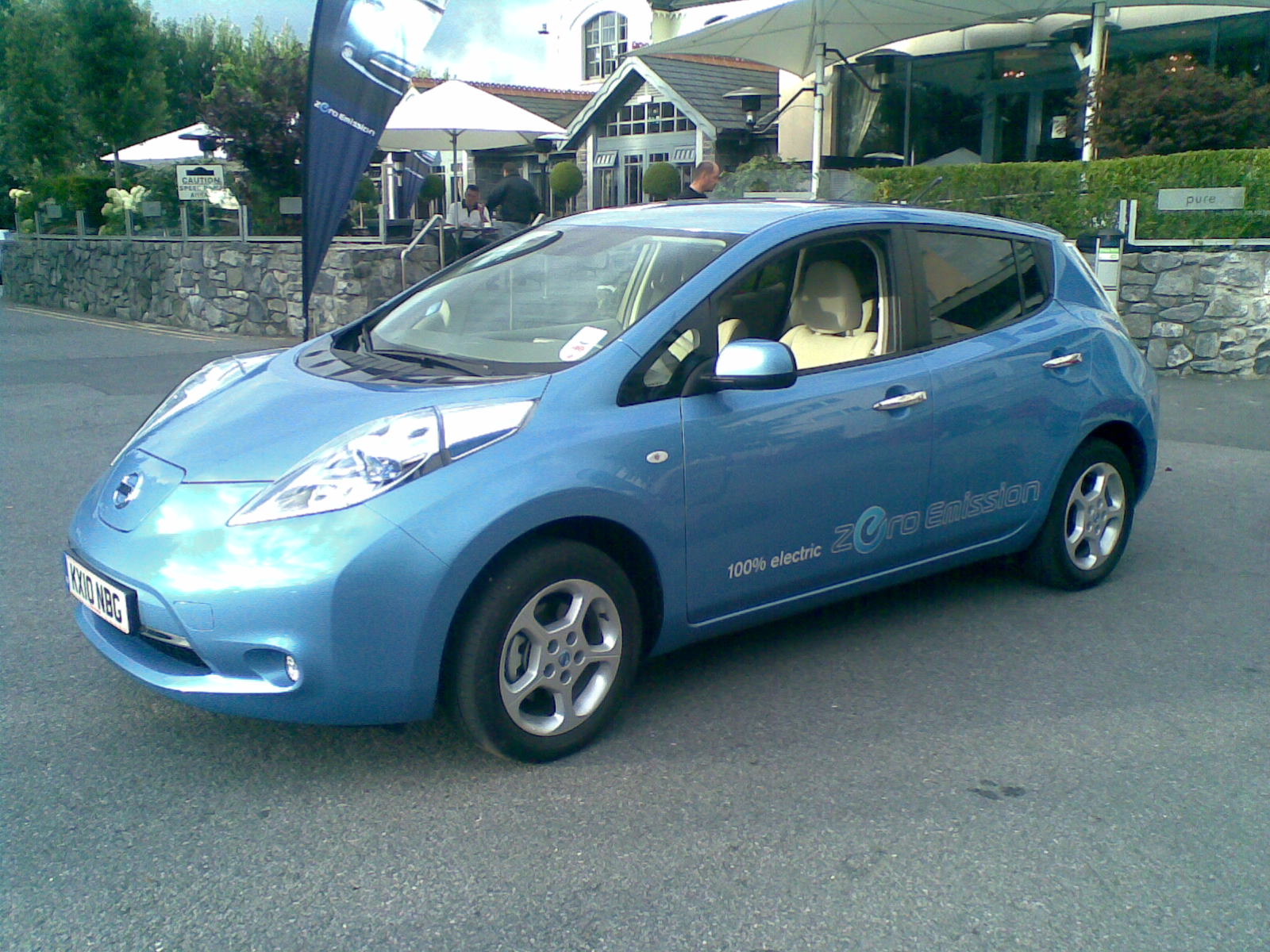
The Nissan Leaf

They were very sceptical, another electric bubble car, how would this one differ? Arriving at the Roadshow they were very surprised to see that the Nissan LEAF looked like a normal 5-seater family car, but this was no normal car. It is a car that runs on 100% electricity, a car with no fuel tank, no mechanically propelled engine and no exhaust pipe and is therefore a zero emissions car. Mechanics may not be over the moon about its arrival as it is the dawn of a new breed of vehicle that does not have the associated high service and maintenance costs that we have come to accept. In fact the average annual running costs for the Nissan LEAF, based on 12,000 miles or 19,200 kms, are expected to be in or around €232, or less than €20 per month. With the LEAF the standard service intervals of a normal car are a thing of the past with replacement tyres now probably being the biggest maintenance cost.
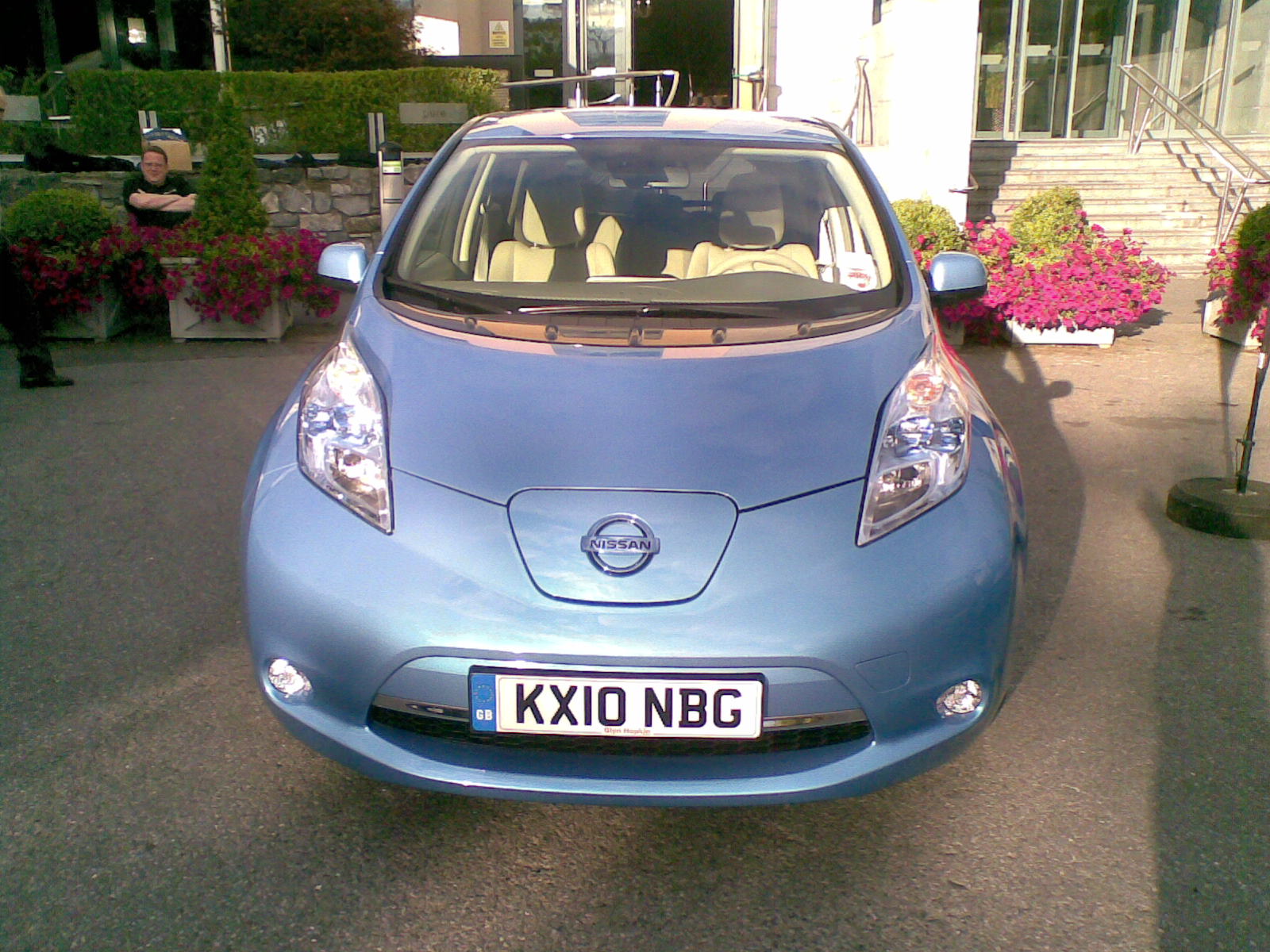
The Nissan Leaf

This is a sleek looking mid-size family car with a very eye catching appearance and a surprisingly spacious interior; four adult males were easily and comfortably accommodated. No key in the ignition, no clutch and no gear stick, just a press of a button and the car is started, but shut your eyes and you wouldn’t realise as the only indications are visual ones. The Nissan LEAF has the performance of a 1.6 litre petrol engine and is very quick and smooth in acceleration, it drives like an automatic but much more responsive and without the associated gear change shunts and roaring engine. Power is delivered via an 80kW a.c. motor that develops enough torque to reach a maximum speed of over 140 km/h. Acceleration from a standstill is very impressive indeed and the LEAF floats on seemingly effortlessly and silently. The LEAF is so silent that below 30km/h it emits an audible beep to alert unsuspecting pedestrians and cyclists of its presence.
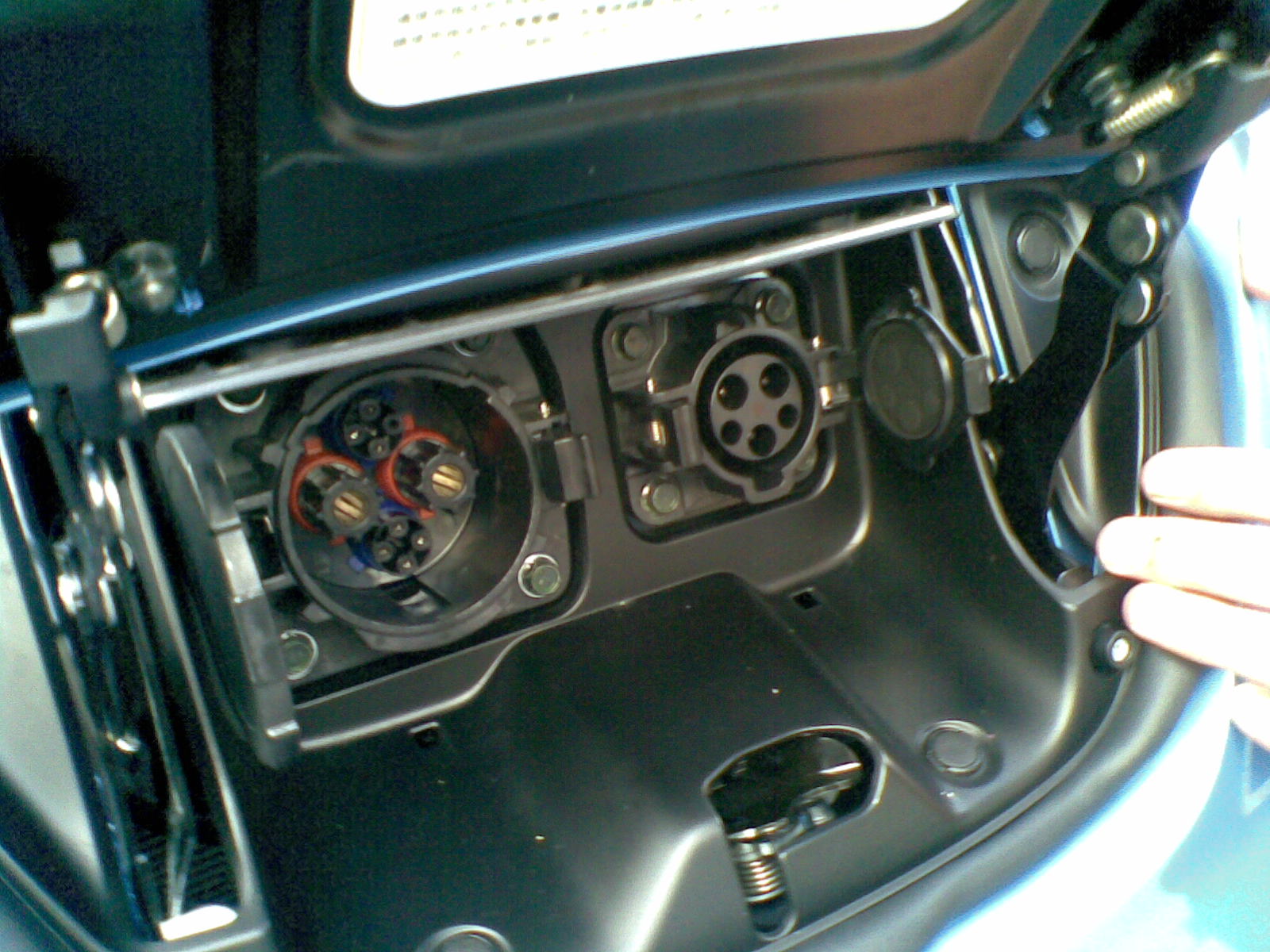
Charging socket under the Nissan badge just in front of the bonnet.

The electric motor is powered by a bank of lithium-ion batteries that are mounted under the seats and floor of the LEAF thus giving a low centre of gravity and balanced weight distribution resulting in excellent handling and ride comfort. The latest generation lithium-ion batteries used in the LEAF are manufactured by Automotive Energy Supply Corporation (AESC), a joint venture company between Nissan and the Japanese electronics company NEC. These batteries are more efficient, more powerful and faster to recharge than anything gone before. The batteries can be recharged to 80% battery capacity in about 25 minutes from a fast charging point but the more normal method is a slower overnight charge. A full charge delivers a capacity of about 160kms but is very dependent on driving habits. The charging socket is under the Nissan badge just in front of the bonnet. ESB will install home charging points free of charge to the first 2,000 electric vehicle customers.
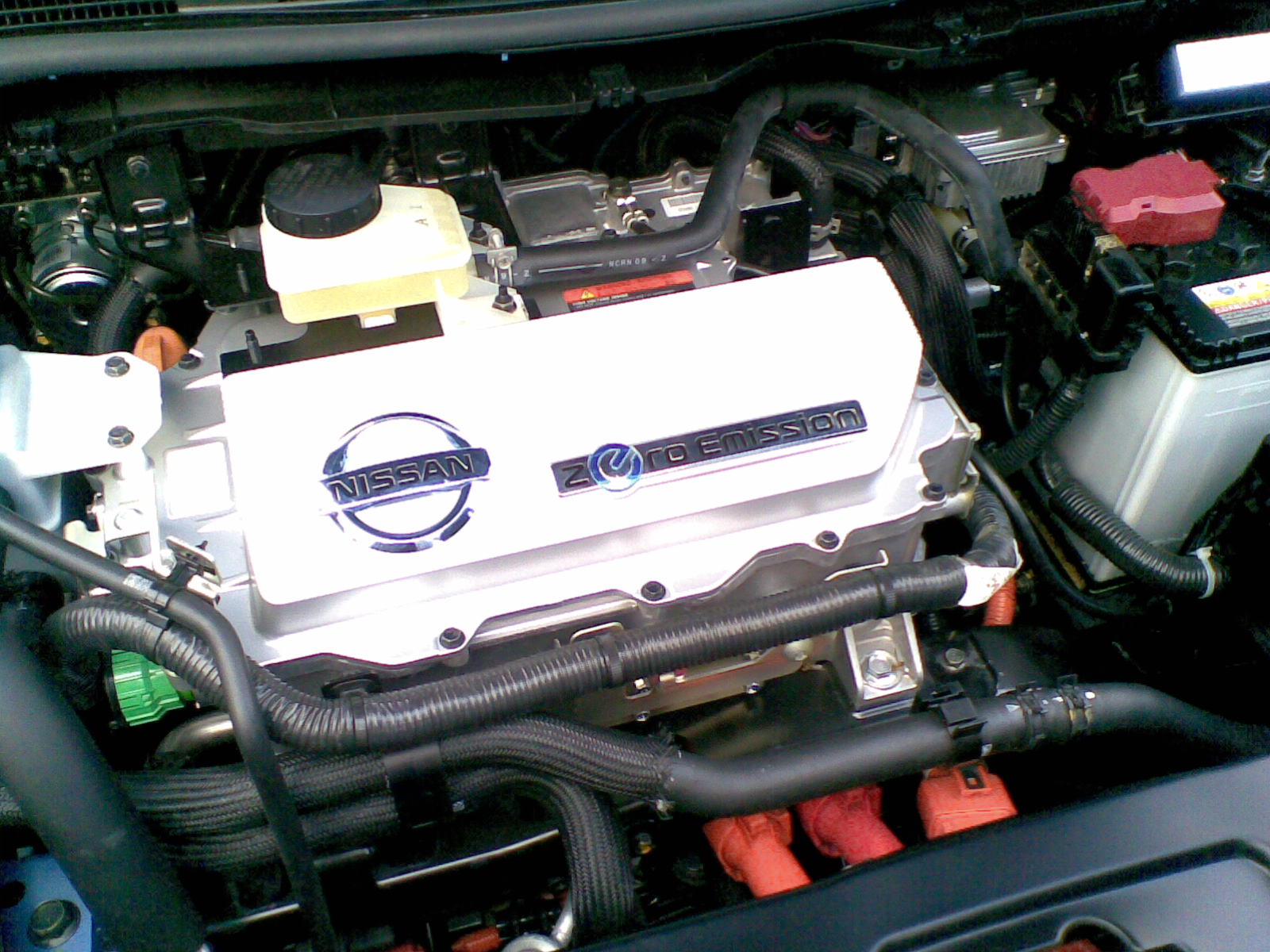
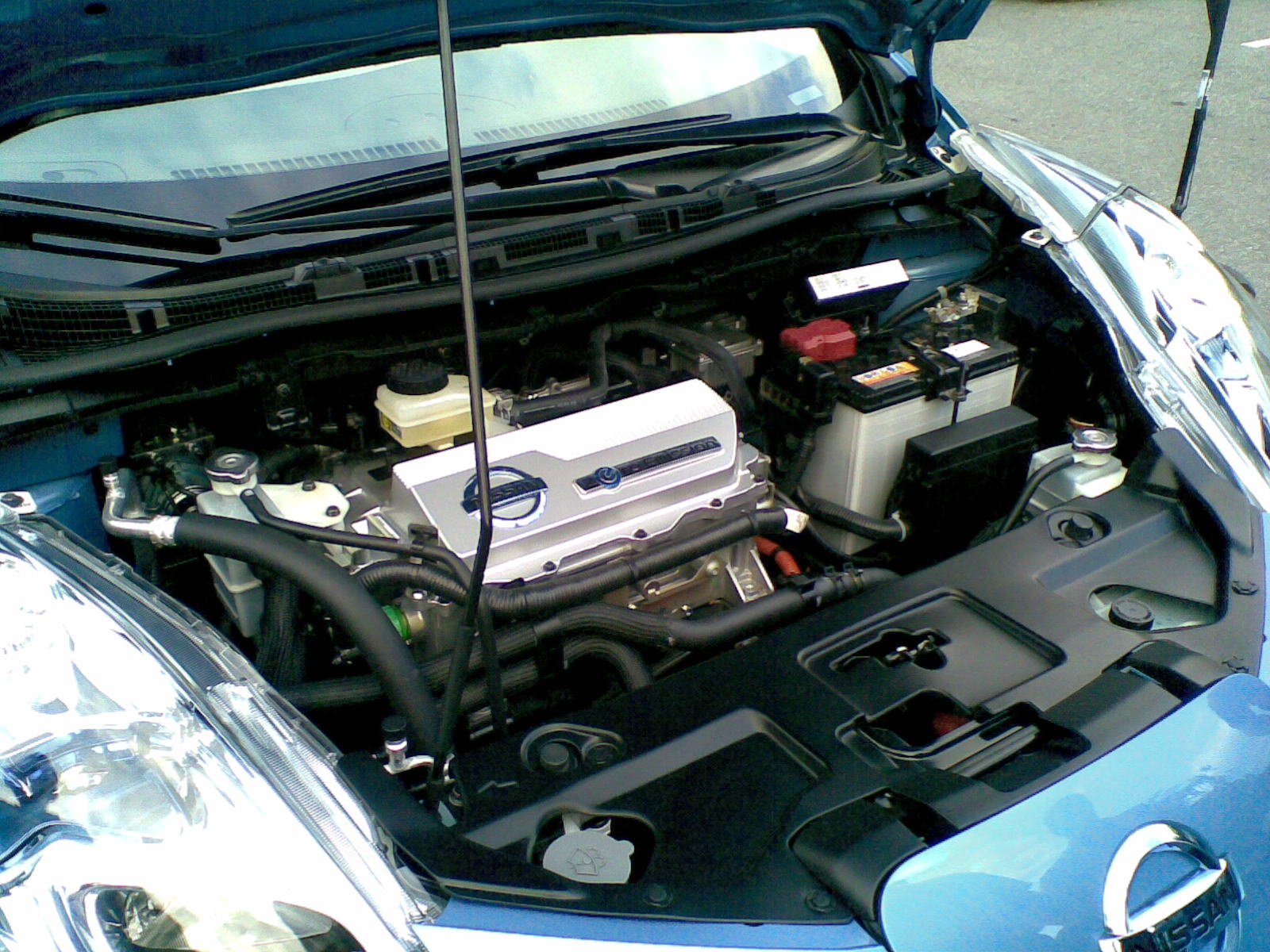
Underneath the Bonnet

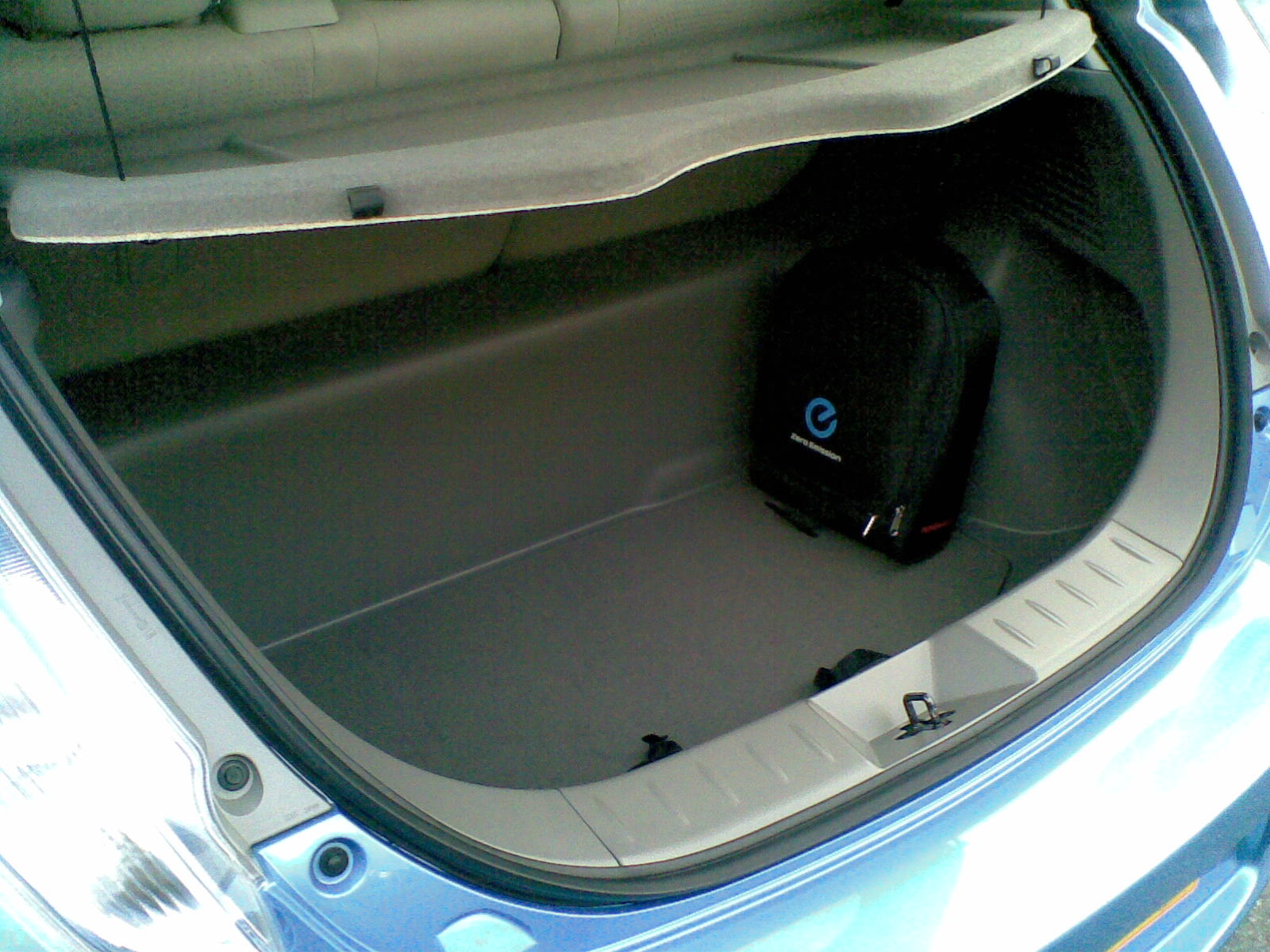
Under the bonnet Nissan have provided a mock engine but this space could have been put to better use. There is a standard 12V DC battery also to cater for starting and instrumentation on the dash, there is a small solar photovoltaic (PV) panel on top of the boot door that provides some level of recharge to the 12V battery. The boot is just adequate, certainly wont be carrying your full set of golf clubs in there. For a car with the latest generation lithium-ion batteries whose thinner structure and distribution around the vehicle allows for more room inside the vehicle itself, it is a pity that the lack of a conventional engine does not mean pucks of cargo space as well. But this is the only real negative in what is otherwise a breath of fresh air to the automotive industry and a real credit to Nissan.
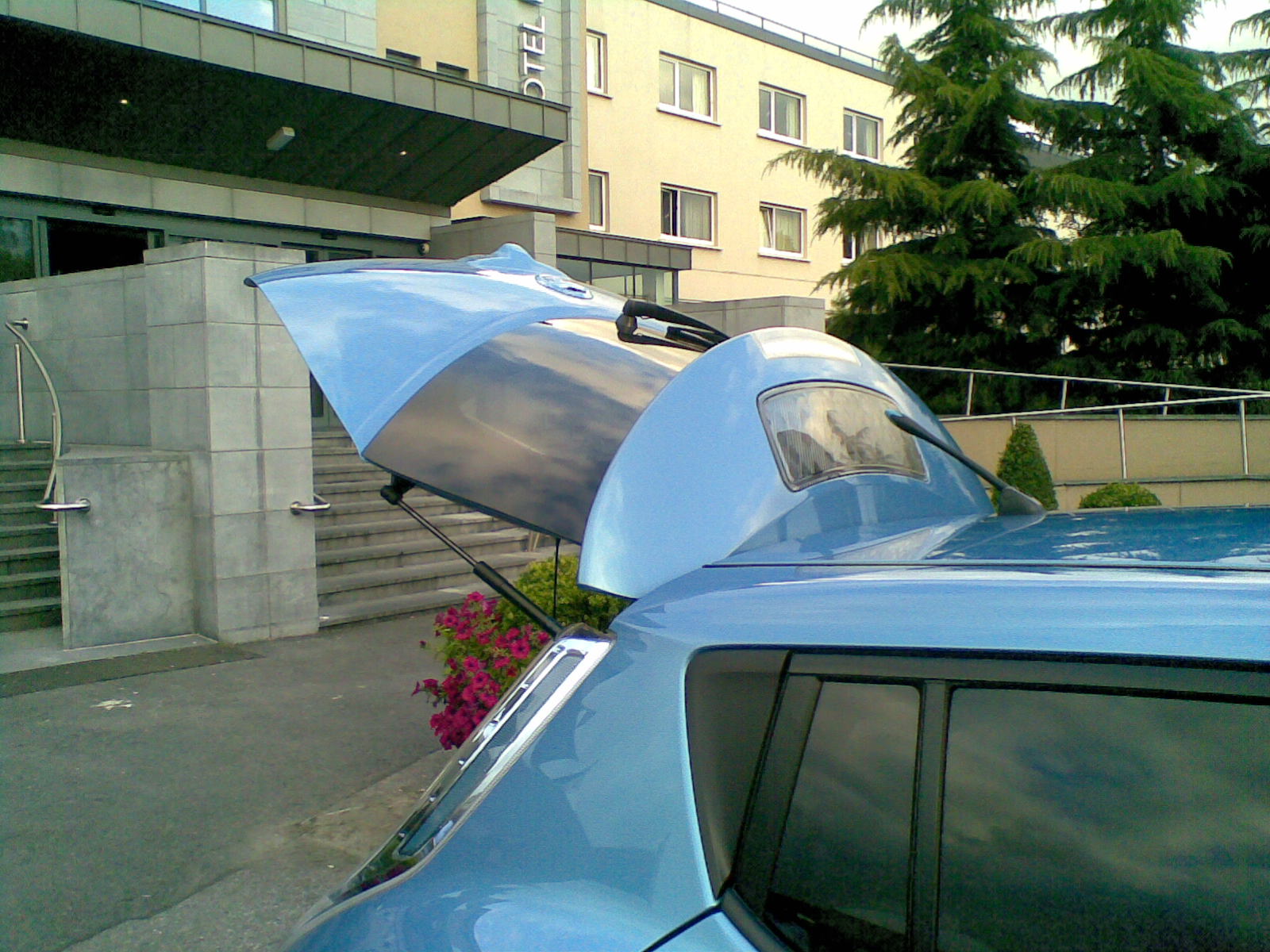
Small solar photovoltaic (PV) panel located on the boot
Nissan Leaf Boot Space

The Nissan LEAF that will be available in Ireland will come fully equipped with features such as 16” Alloy Wheels, fully automatic Climate Control, Satellite Navigation that doubles up as a screen for the Rear Parking Camera, Cruise Control and a quick charge socket. Safety equipment such as Driver, Passenger, Side and Curtain airbags will be standard along with Electronic Stability Control. Equipment will also include the very distinctive LED headlamps which is a first for Nissan.

According to Nissan innovative smart phone connectivity will allow an owner to control many elements of the LEAF’s functions remotely, including telling the car when to re-charge, to heat or cool the interior of the car before starting a journey and many more innovative features. The Satellite Navigation on the LEAF can connect directly to a Global Data Centre via the Telematics System giving owners updates on charging points, driving patterns and so on.
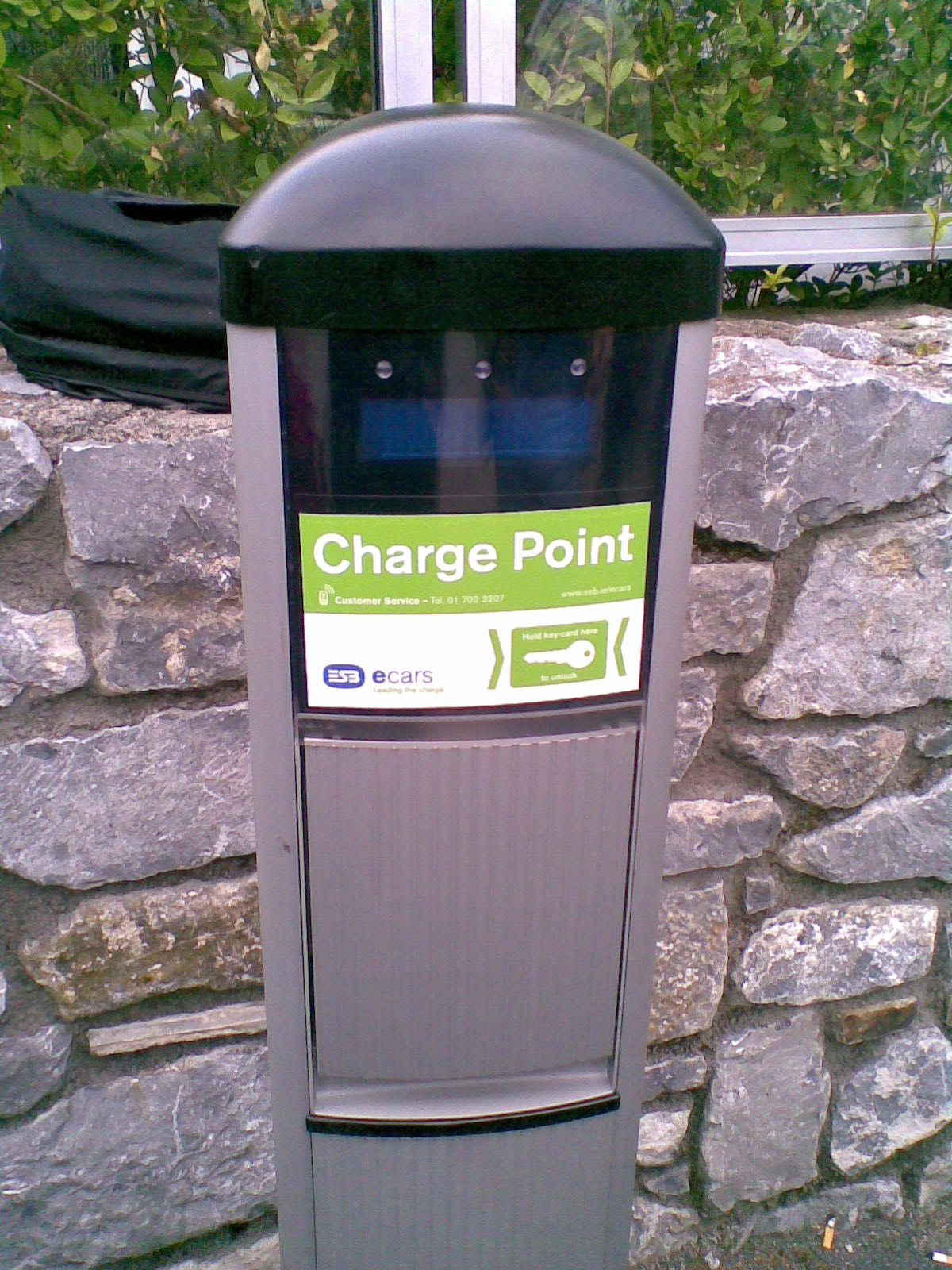
Charging Point

Road tax is €104 per year but should these state of the art zero-emissions vehicles be exempt from road tax?

Nissan have certainly set the bar extremely high indeed and for this they must be applauded. The LEAF is certainly suited to city driving and low mileage driving but as technological advances extends the range of these vehicles they will become the vehicle of choice for all types of customers.
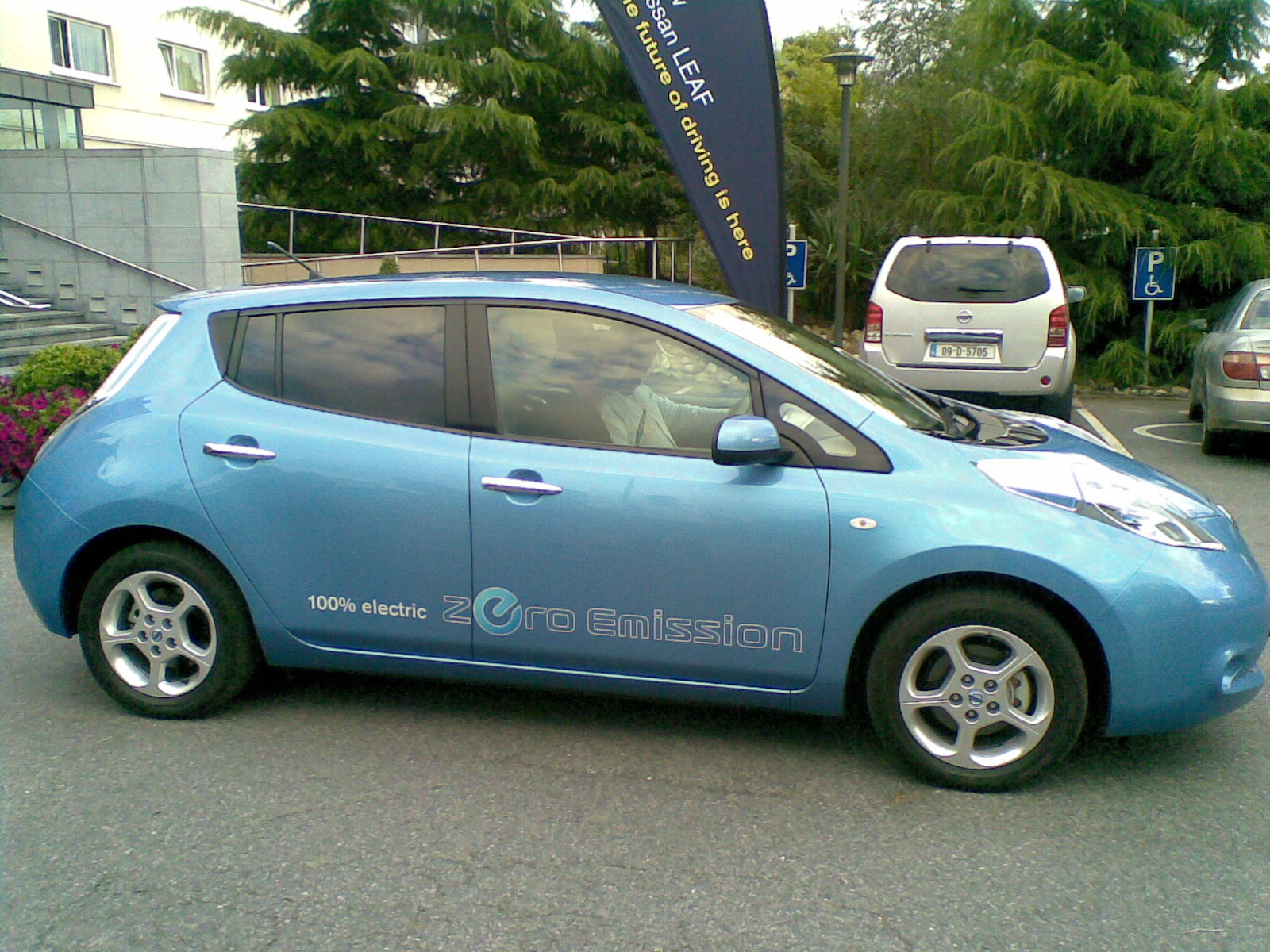
Test drive the Nissan Leaf at a branch near you!

Thanks to Liam Martin, Wexford Car Centre for the invitation to test drive this great piece of technology. It was a truly unexpected surprise. Test drive the LEAF at a branch near you!

All photographs copyright of Eco Evolution
Cabragh Wetlands Visitor Day

We were invited to come along to Cabragh Wetlands to speak about renewable energy products and how they can benefit homeowners and businesses. There was great interest on the day and homeowners, farmers and businesses alike were all interested in ways to reduce their energy costs.

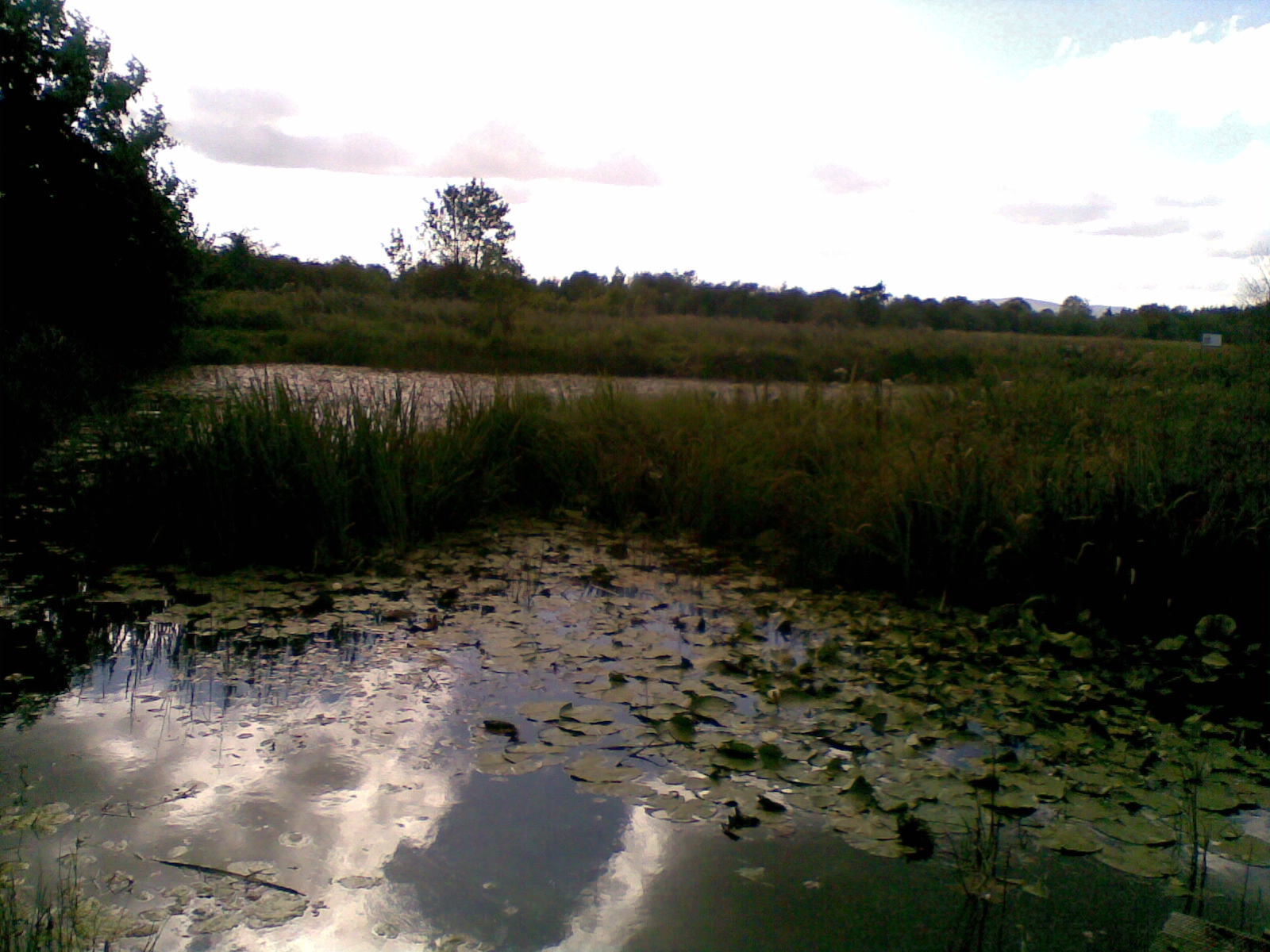
Cabragh Wetlands  are committed to the three-fold vision of conservation, education and recreation. A wide variety of activities are offered on an ongoing basis to the general public, with the aim to create a greater awareness to the conservation and appreciation of our natural environment.

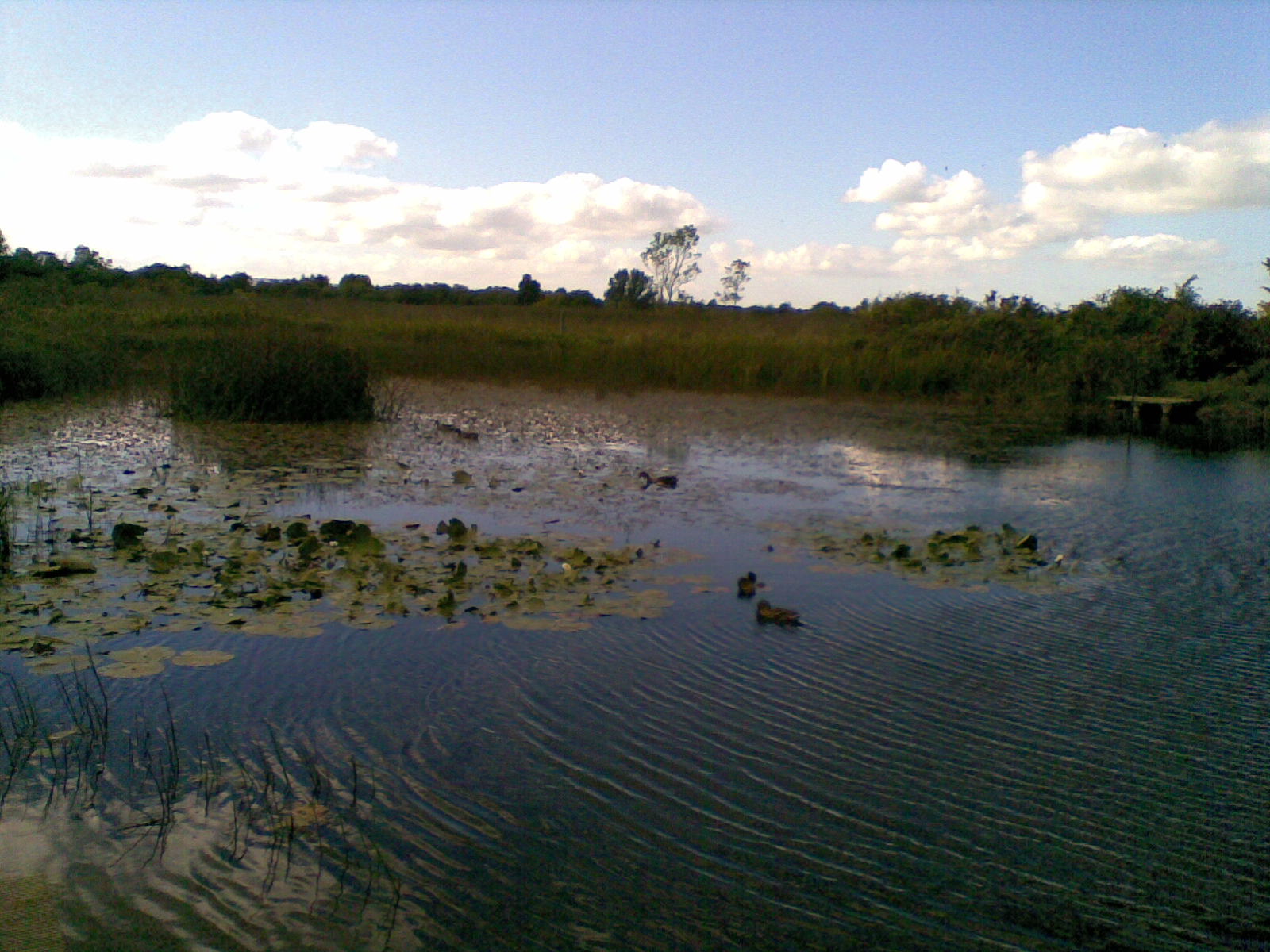
Lagoon on the Cabragh Wetlands

The Cabragh Wetlands Trust was registered in 1993 in an effort to save a vast area of wetland habitats from destruction after the filling-in of the settling pools by the Thurles Sugar Factory during its closure. These lagoons used to be an oasis of wildlife, particularly birds. The Trust was formed and acquired the land adjacent to the filled-in lagoons to ensure the continuation of this resting place for migratory birds.

Funding was made available through the LEADER programme and this enabled the necessary work to be carried out. Over a couple of years fencing was put in place, ponds were excavated, two bird-hides were built and walkways developed, a car park was laid out and finally a Visitor-cum-Education centre was built.

The Centre is run by a group of committed volunteers who provide exciting field trips for children of primary school age. The Wetlands have no less than 15 different habitats including ponds, reed swamps, hedgerows, streams and wild flower meadows. Footpaths and raised walkways with beautifully illustrated information boards as well as a large bird hide make an ideal place for school children to discover the sights and sounds of nature in a safe and child friendly environment.

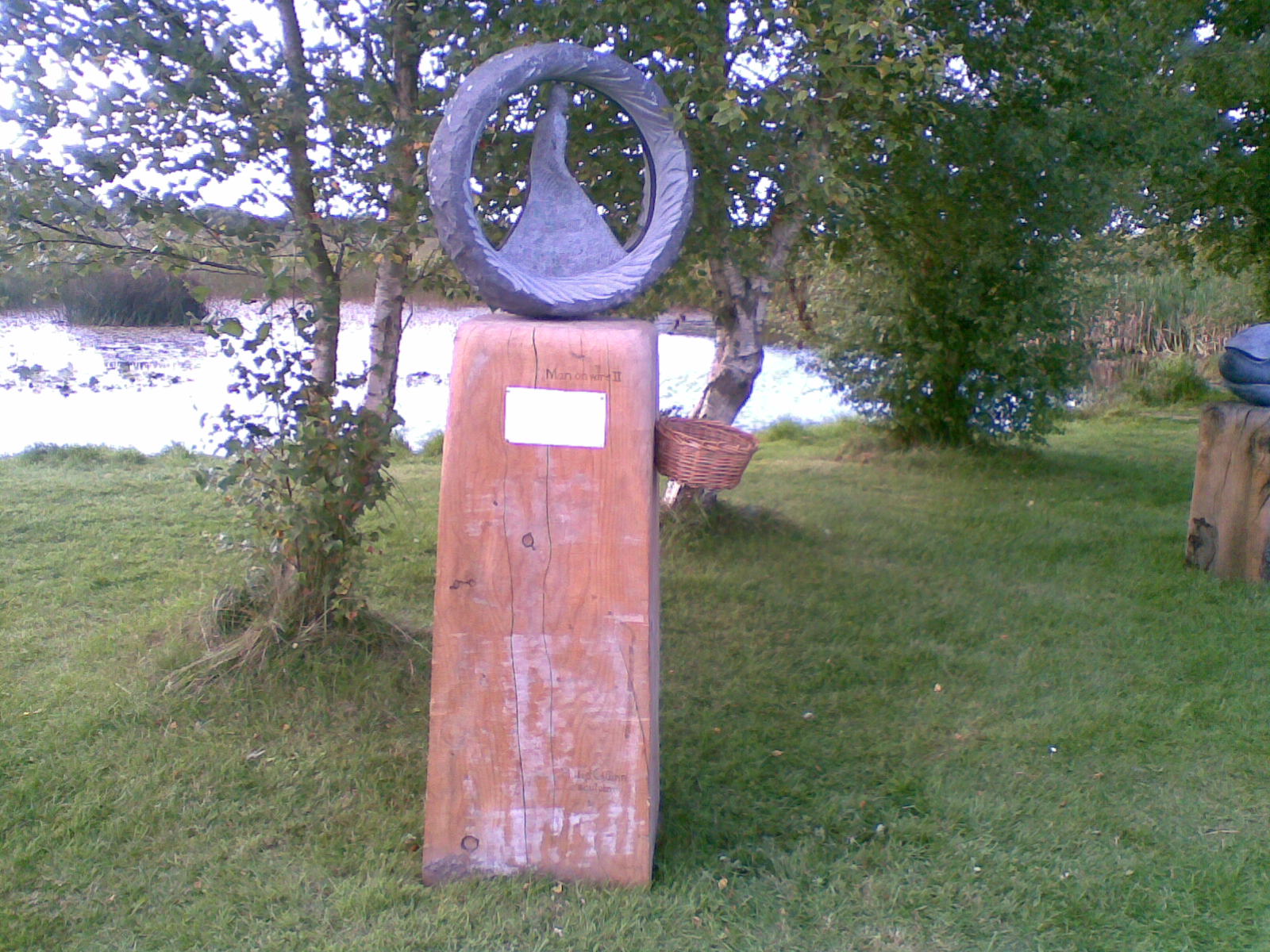
Sculpture ‘Man on Wire II’ made by a local artist.

The Cabragh Wetlands Trust is a charity organisation and is relying solely on the goodwill of benefactors and volunteers for the maintenance and development of the centre. With the conservation of the site and the essential infrastructure in place, the Trust is now focusing on its second main aim, namely education. Although Cabragh Wetlands has the magnificent outdoors to offer and a beautiful information centre further work needs to be done.

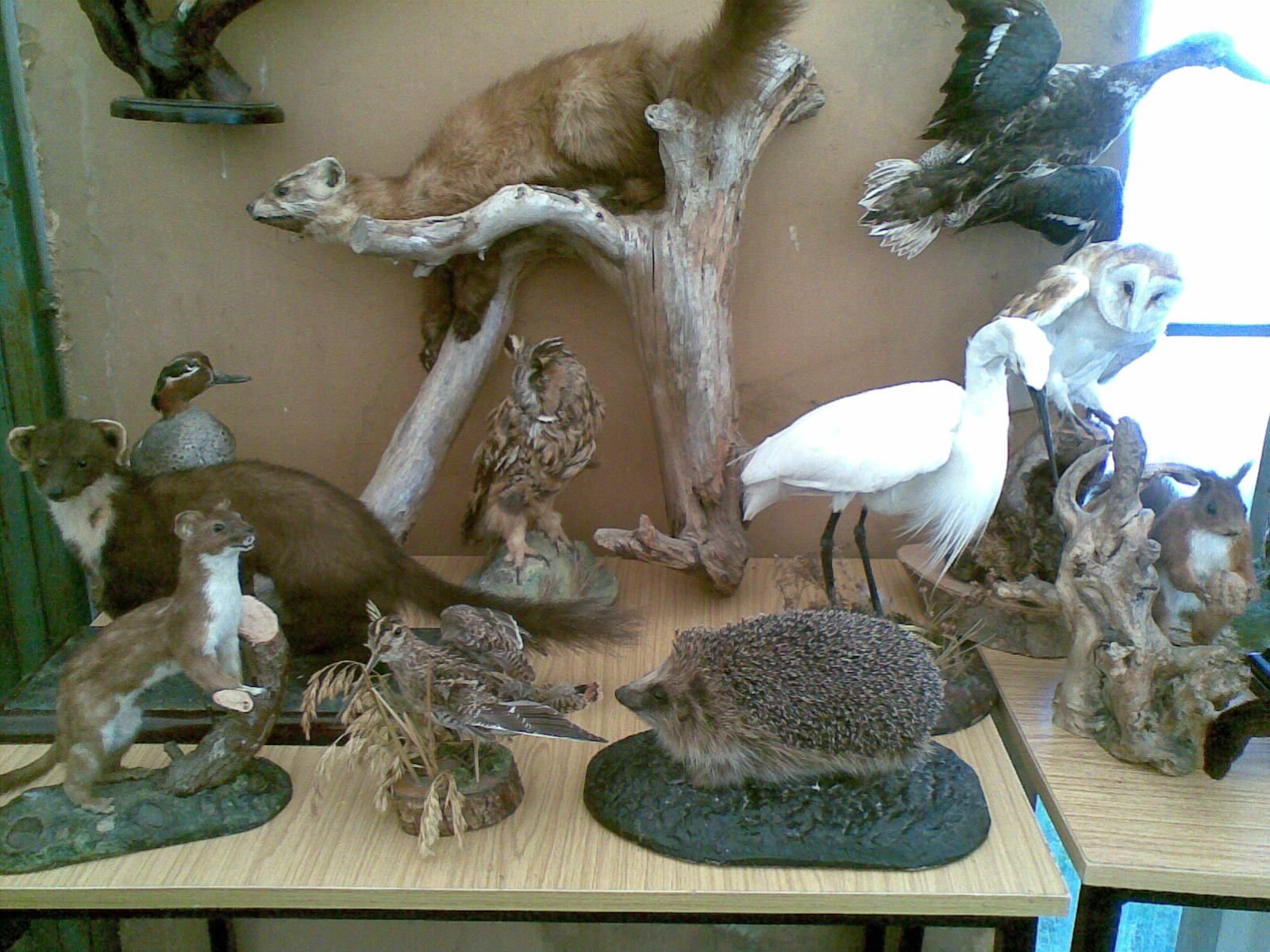
Samples of local wildlife at the centre

A wide variety of activities are offered throughout the year to the general public to help create a greater awareness of conservation and also appreciation of our natural environment. During the Summer months a number of guided walks take place through the wetland with pond dipping and identifying wild flowers, trees, bugs and birds as well as workshops on a number of topics including bird box making and planting hedgerows. A series of Winter lectures are also held each year with topics ranging from ‘The Cosmic Walk’, ‘Bee-keeping’, ‘Nature and the First World War’ to ‘Heritage and the Tipperary Landscape’.


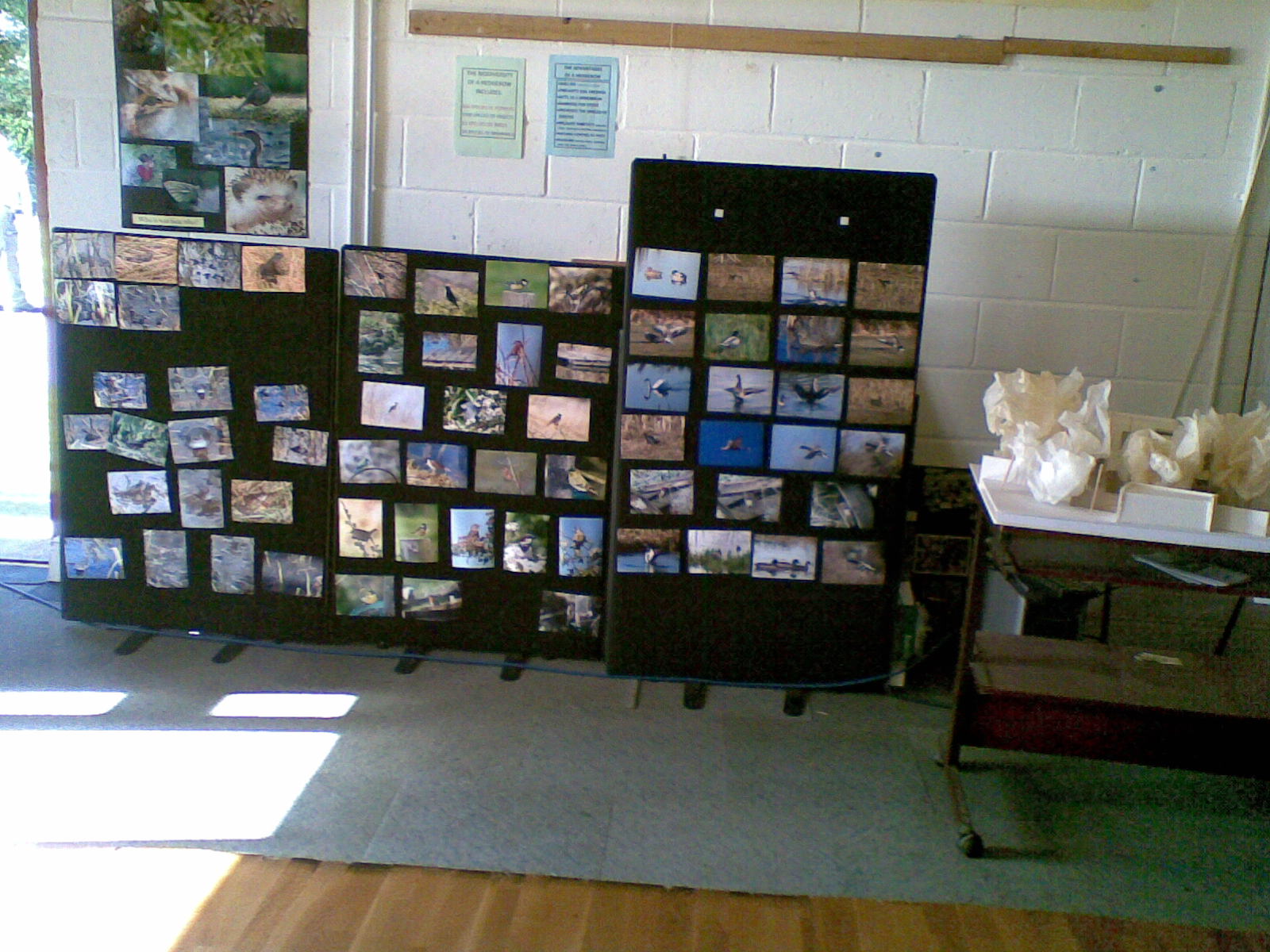
One of the many educational displays which can be viewed at the centre.

Primary schools can avail of the following educational field trips: Exploring a Hedgerow & Exploring a Pond. The children will have a chance to watch birds from the hide, go pond dipping, identify the creatures they have caught and visit the nature table at the centre. Students in second level education participating in young scientist projects are more than welcome to come along to explore and utilise Cabragh Wetlands as a source of data collection. Advanced field trips are available for second level students also.

An amazing display of ‘recycled’ art.

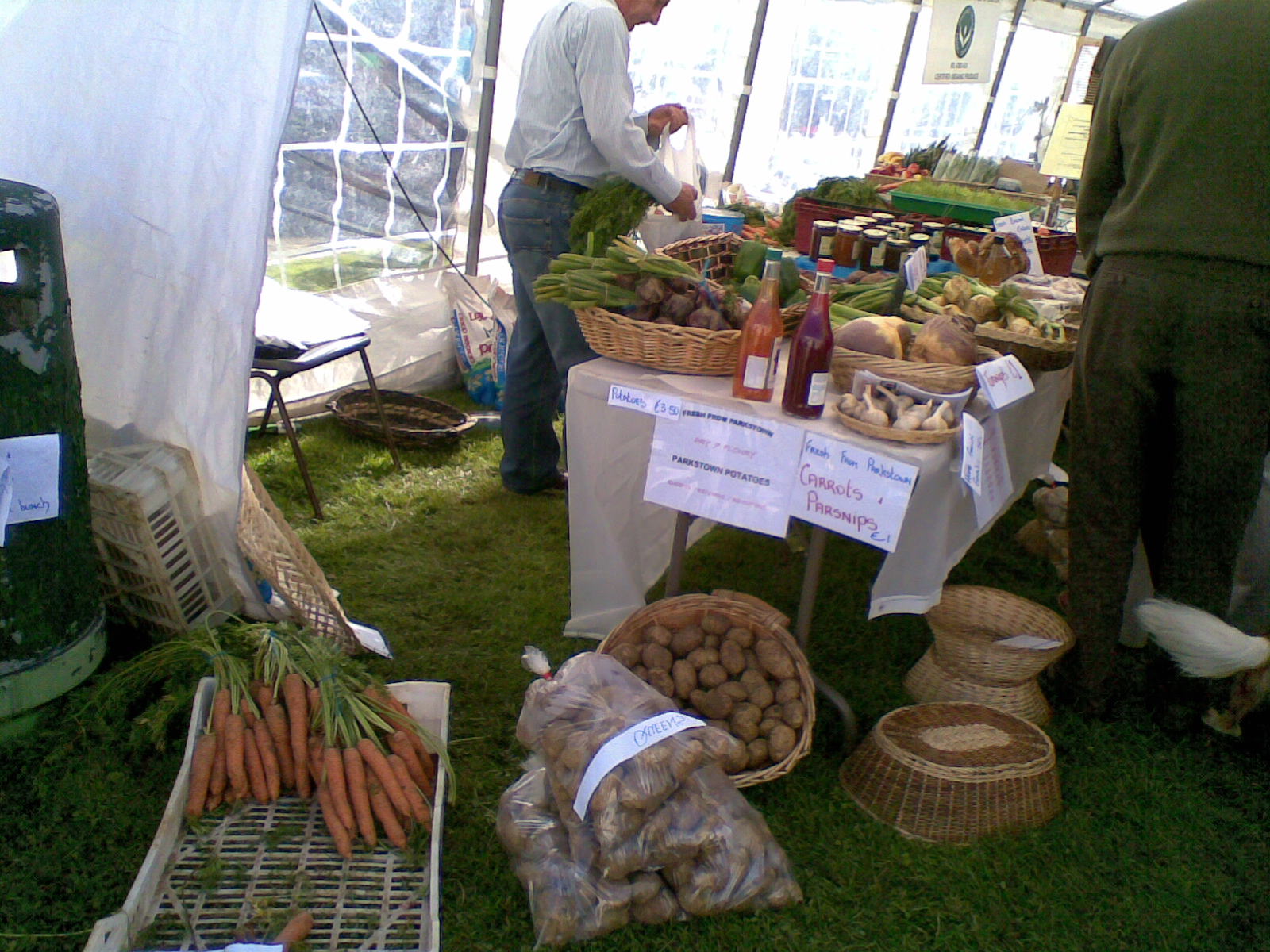
Locally grown fruit, vegetables, juices and home baking were also on display.

Locally grown produce

We would like to take this opportunity to wish Cabragh Wetlands all the best in the future and well done on the great achievements to date.

Photographs copyright of Eco Evolution
£1m hydro-electric project set to be biggest of its kind in Europe

Eco Evolution appointed agents in Ireland for Mann Power Consulting Ltd., the Archimedean Screw hydro turbine specialists in the UK.

A £1MILLION green scheme to turn Totnes Weir into a mini power station will be the biggest hydro-electric project of its kind in Europe.

The scheme — which could be in action powering up King Edward VI Community College by the beginning of 2012 — involves installing a four metre diameter Archimedean screw turbine to fill the 20-metre long sluice at one end of the centuries old town weir.

There are already 15 similar water-powered turbines operating in the UK and another 100 across Europe.

But the Totnes turbine’s size and its 200 kilowatt output would make it the biggest in Europe so far, revealed Dave Mann, the boss of Yorkshire company Mannpower.

It would harness the power of the 13 tonnes a second of water that pours over the weir which would then be used to provide electricity for the classrooms of more than 1,800 pupils at what is one of the largest schools in Devon.

“We have calculated that it will produce as much power as the school uses,” Mr Mann explained as he outlined the project at a public meeting at the college.

A similar, but slightly smaller screw, was installed at the River Dart Country Park by Mr Mann’s company and has been powering the park successfully for the past three years.

A consortium of local investors, called the Dart Renewable Partnership, has already bought the weir from one-time Autotrader boss Malcolm Barrett for £75,000.

The deal included land next to the weir where there are proposals to build a small classroom complex which would be used as part of a KEVICC educational project involving power generation and the river environment.

Mr Mann aims to submit a planning application for the project next month and begin construction in July next year and the turbine could be producing power for the school and the national grid by early 2012.

Mannpower has already held talks with fishing organisations, owners of waterside properties, the Environment Agency and KEVICC.

Around 20 members of the public, local councillors and representatives of interested group were at a public exhibition outlining the project at KEVICC’s Ariel Centre.

The scheme also involves building a fish ladder up the weir for salmon and trout which spawn in the upper reaches of the Dart — and installing underwater cameras and fish counters to monitor the fish population.

Fish expert Peter Kibel explained that the current fish ladder was too long and too difficult for smaller fish, leaving them easy prey for seals which swim up river to take advantage of salmon and trout trapped in the weir.

It is also planned to remove the diagonal concrete ledge across the weir built as another aid for fish.

That will stop the force of the water being directed to one side of the river which has eroded the bank by 20ft in the past two decades.

This will allow water to pour over the weir in a more direct route and eventually wash away the mud island downstream at low tide.

Source:  http://www.mannpower-hydro.co.uk/news.php

Testimonial for Eco Evolution

Project: Proposed leisure centre and swimming pool.

To whom it may concern,

I wish to confirm that at planning and design stages of the above project I requested Frank and Mary Gethings of Eco Evolution to design the most environmentally friendly and energy solution for the running of the proposed leisure centre. I asked that all of the essential heating, water heating and air conditioning services be designed with the most environmentally friendly systems.

Within a couple of days of talking with Mary, Frank visited my offices and educated me on the best approach. Frank and Mary have a very friendly and approachable manner which makes them very easy to deal with.

I agreed to run with his excellent advice and in a matter of days Frank had a full eco-friendly solution for what is by no means a simple building to service. The solution included some very innovative thinking with regard to the heating of the pool, an array of solar panels and the use of a heat pump system. My client was equally impressd with the energy solutions and I submitted all of Eco Evolutions details as part of the planning application.

Frank and Mary form an excellent team and provide excellent advice and most importantly provide the information efficiently and on time. The products which they can provide are without doubt the best on the market and it is clear that a lot of time and effort is spent by the company in researching and ensuring they have the best products at their disposal.

I have no doubt that given the notable shifts in attitude towards the use of these products, coupled with the fact they are now reasonably priced, that Eco Evolution is a company that will go from strength to strength in the coming years.

I would strongly recommend them for all your ‘eco’ needs.

Yours sincerely,

Michael Molloy, Architect

Molloy Architecture and Design Studio, McCurtain St., Gorey, Co. Wexford.

Read Testimonial for Eco Evolution.

Visit to Daikin Manufacturing Plant – Bruges, Belgium

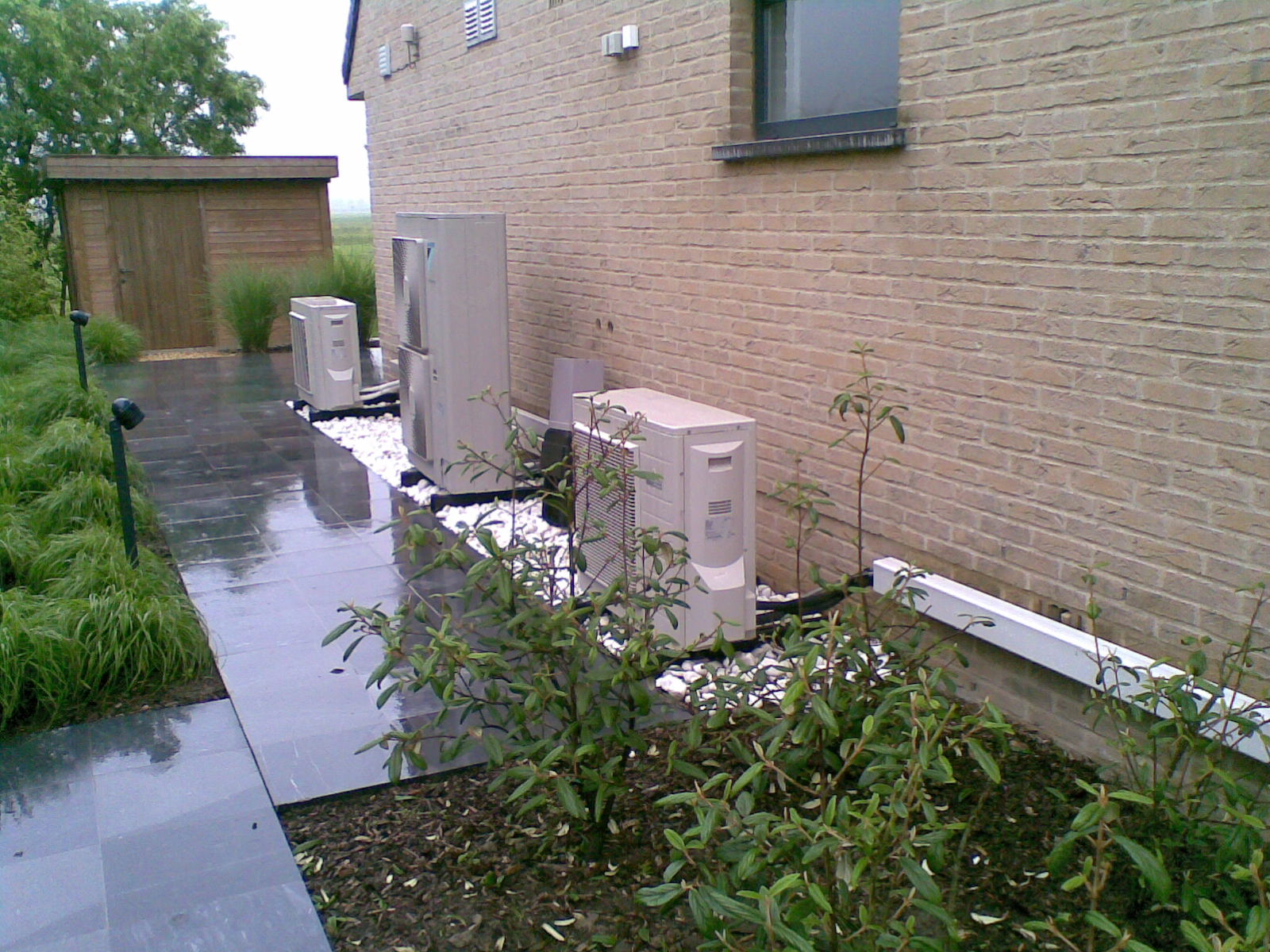
We were invited by Daikin to visit their manufacturing plant in Bruges, Belgium. Daikin has more than 50 years of experience with heat Pumps and provides more than a million of them to homes and commercial applications each year. Daikin Altherma is a total domestic heating and hot water system based on air source heat pump technology. It represents a flexible and cost-effective alternative to a fossil fuel boiler, with a cooling option. The inherent energy efficiency characteristics of Daikin Altherma make it an ideal solution to reduce energy consumption and CO2 emissions.

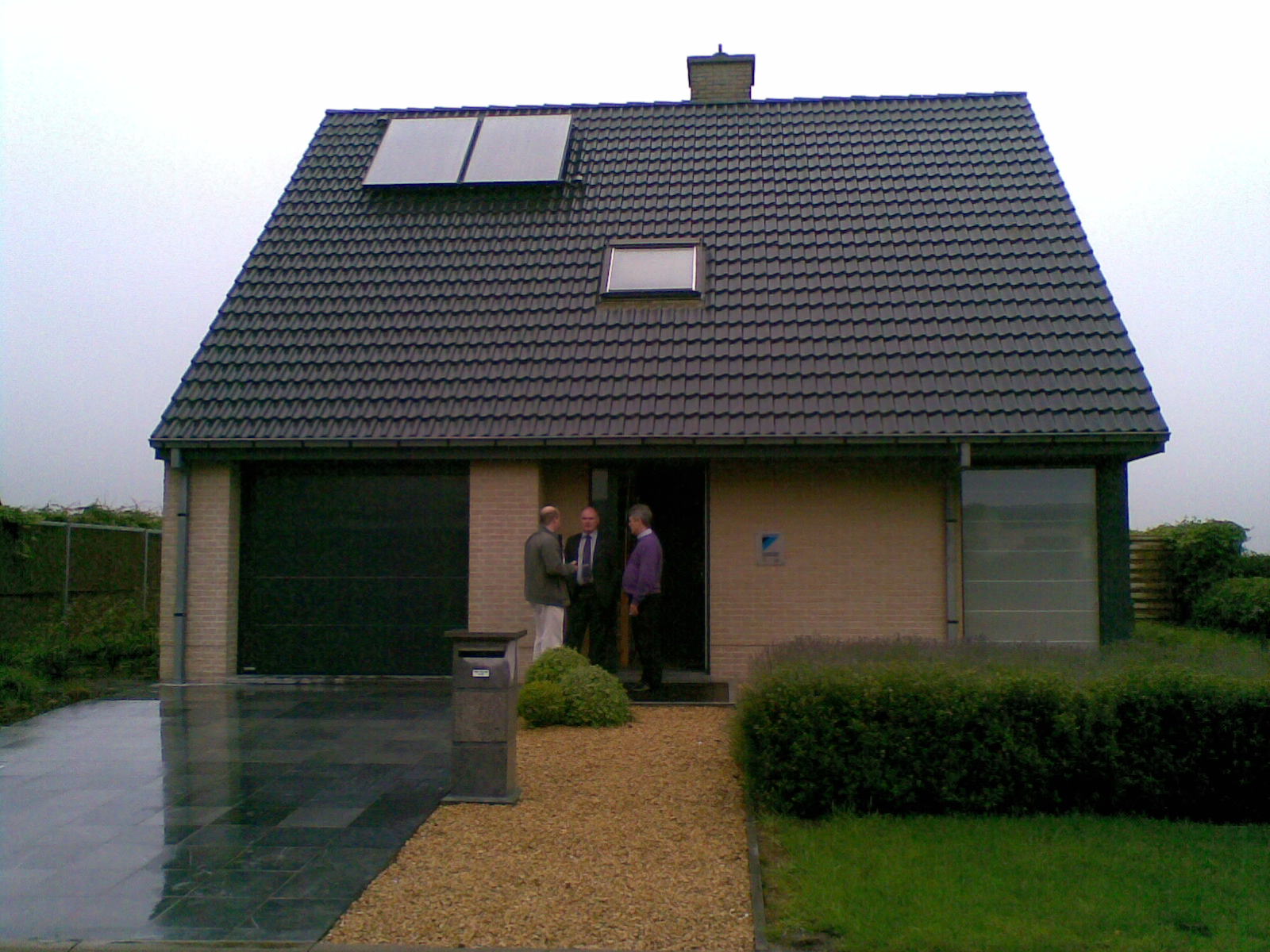
Daikin Showhouse, Bruges.

People are becoming more and more aware of the cost of heating. Traditional heating systems and boilers use fossil fuels, making them an expensive and non sustainable option for the environment. Nobody wants to waste their money. Since two thirds of the heat generated by the Daikin Altherma air source heat pump system is free of charge and maintenance is minimal, the perfect solution is just around the corner.

Daikin Altherma air-to-water heat pump quickly creates an optimal room temperature for you and your family. You enjoy a comfortably warm environment in just 3 steps.

  • The heat pump extracts free low temperature heat from the outside air.
  • The system raises the temperature of the recovered heat
  • This greater warmth is then distributed throughout your home via heating emitters
Daikin Air-to-Water Heat Pumps

The Daikin Altherma is the ideal choice for both New Build and Renovations. It is available in both a Low Temperature and a High Temperature Heat Pump option.

For New Build there is the Split Option or the Monobloc Option.

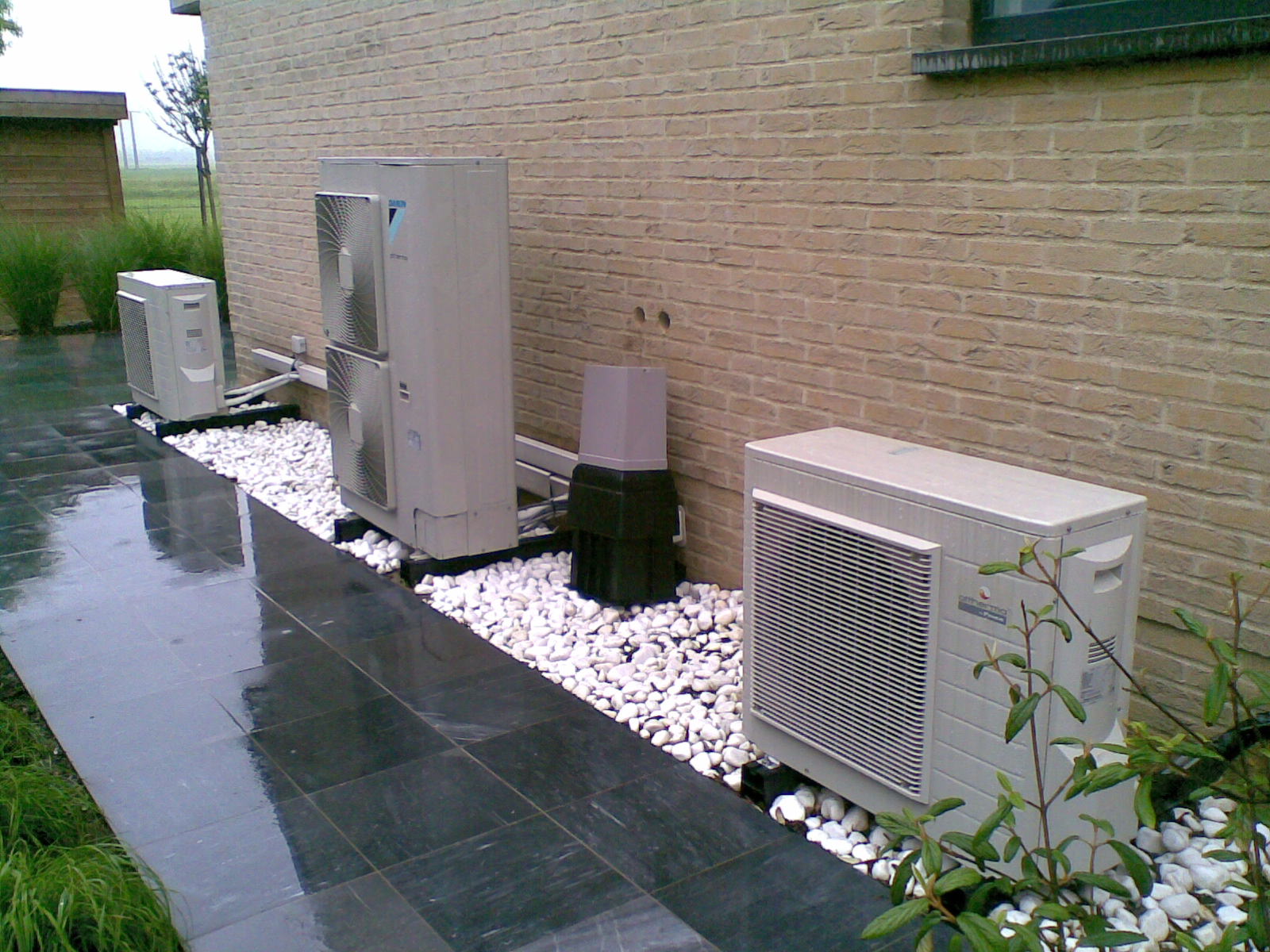
Split Option:  Consists of an Outdoor Unit and an Indoor Unit. The Outdoor Unit extracts heat from the outside air and raises its temperature to a level high enough to supply heating. This heat is then transfered to the indoor unit through refrigerant pipes. The compact outdoor unit is easily installed, and no drilling or excavation work is required, it can also be installed in flats and apartments.

The Indoor Unit heats the water that circulates through low temperature radiators, floor heating systems or fan coil units and also provides domestic hot water. If you opt for the combination of heating and cooling, then the indoor unit can also decrease the water temperature to distribute a refreshing coolness.

Monobloc Outdoor Unit: All in one. In addition to Daikin Altherma indoor and outdoor unit systems, Daikin has introduced a Monobloc version in which all hydraulic parts are located within the outdoor unit. In this system the water pipes, rather than refrigerant lines, run indoors from the outdoor unit. The monobloc can be used for both heating and cooling.

Advantages of Low Temperature Heat Pumps:

  • Cost effective low energy consumption
  • Ideal system for Underfloor heating and Alurad High efficient radiators
  • Heating and Cooling
  • Eco-label for low temperature split
Daikin Altherma Range

The Daikin High Temperature Heat Pump for Renovations consists of an indoor and outdoor unit. The outdoor unit extracts heat from the outside air and raises the temperature to a level high enough to supply heating. This heat is transferred to the indoor unit via refrigerant piping. The indoor unit then increases the temperature, allowing water temperatures up to 80 degrees Celsius for heating through traditional steel radiators and for domestic hot water use.

Advantages:

  • Heating up to 80 degrees Celsius without electric heater
  • Easy replacement of existing boiler, without changing heating pipes.
  • Combinable with high temperature radiators
  • Low energy consumption: best COP levels in its class (up to 3.08)

Daikin was the first company to obtain the Eco-label for its Daikin Altherma air-to-water heat pumps. The EU awards an Eco-label to a heat pump when its evaluation shows it to be more energy efficient than the average for heat pumps without an Eco-label. In being awarded the Eco-label, Daikin Altherma was assessed in a range of categories: heating and cooling efficiency, refrigerant global warming potential (GWP), noise, training, documentation, availability of spare parts and detailed information at point of sale.

https://www.ecoevolution.ie/air-to-water.html

EPA Improves Access to Public Information on Emissions Trading

Press Release 10th June 2010

The Environmental Protection Agency (EPA) operates the EU Emissions Trading Scheme in Ireland. Over 100 major industrial and institutional sites in Ireland are covered by the Scheme (over 12,000 sites in the EU as a whole).  These include power generation, other combustion, cement, lime, glass and ceramic plants and oil refining. Also included are large companies in areas such as food & drink, pharmaceuticals and semi-conductors. Each company must record their Greenhouse Gas (GHG) emissions every year onto the National Emissions Trading Registry which is an on-line web-based system which tracks GHG emissions and records allowance holdings.

The Environmental Protection Agency has now made information from Ireland’s National Emission Trading Registry publicly available in line with the requirements of the Kyoto Protocol.

This publicly available information covers:

  • Account holders authorised to hold Kyoto units in an account on Ireland’s National Emission Trading Registry.
  • Unit holdings by account type (e.g. Party account or entity account).

To view this information please click on the Publicly Accessible Information link on the homepage of Ireland’s National Emission Trading Registry.

Further information on accounts in Ireland’s National Emissions Trading Registry (including annual emissions data for each installation) can be found on the website of the EU’s Community Independent Transaction Log (CITL).

Find out more information on the operation of the Emissions Trading Scheme in Ireland.

Source: http://www.epa.ie/news/pr/2010/name,28658,en.html

New Consumer Features to be introduced to Home Energy Saving Scheme

~Online Home Energy Self Survey and Building Energy Rating Integrated into Grant Scheme~

On June 8th, the Sustainable Energy Authority of Ireland (SEAI) will introduce two new features to the Home Energy Saving (HES) scheme, designed to further empower consumers, first by guiding them on suitable upgrade works and secondly informing them of the impact of works undertaken.

The Home Energy Saving scheme, administered by SEAI provides grants to homeowners for insulation and heating system upgrades and continues to prove very popular with over 58,000 homeowner applications approved since the scheme was launched in March 2009.

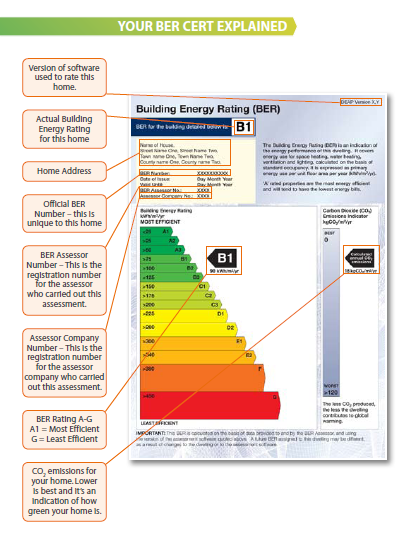
Sample of BER Cert ~ Photo Credit SEAI

Online Home Energy Self Survey

The smart online Home Energy Self Survey will only take minutes to complete, taking homeowners through a number of simple steps to identify the current condition of their home and guiding them towards the most suitable upgrade works.  This new survey will be offered to all applicants at the start of the online application process and will also available in hard copy on request from the SEAI call centre.  The survey complements the existing fast track online application system and links directly to SEAI’s other resources including the Buyers’ Guides.

Integral BER Requirement

At the same time a Building Energy Rating (BER) is to become an integral part of all grant applications under the HES scheme, whereby homeowners must undertake a BER to measure the impact of works undertaken.  This will give homeowners a thorough and objective assessment of the energy performance of their home following upgrade works, including a BER certificate with a A-G performance rating.  The first such BER assessment will attract grant aid of €100.

At the time of completing the BER, the assessor will also provide an estimate of the energy performance of the home before upgrade works, based upon the pre-works condition of the house.  This will inform the homeowner of the effectiveness of the upgrade works in terms of energy and CO2 emissions improvements.

Householders making applications  on or after Tuesday 8th June will be required to use the new application system or  the new application forms.

Wind Power To Reduce Energy Bills And Carbon Footprint ~ The Evance R9000
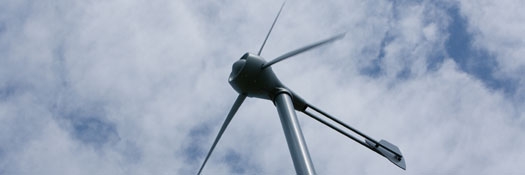
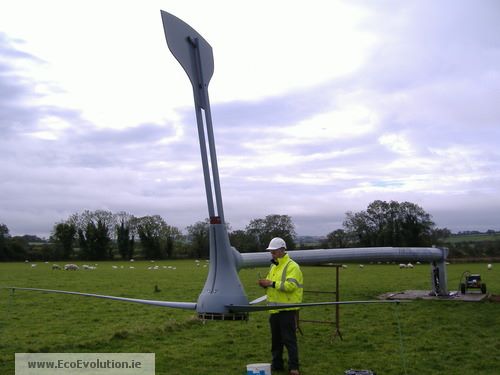
Evance R9000 5kW Wind Turbine

Renewable energy is key to our low-carbon energy future, as well as diversifying energy sources. Today wind power continues to gain ground as a profitable and effective energy source.

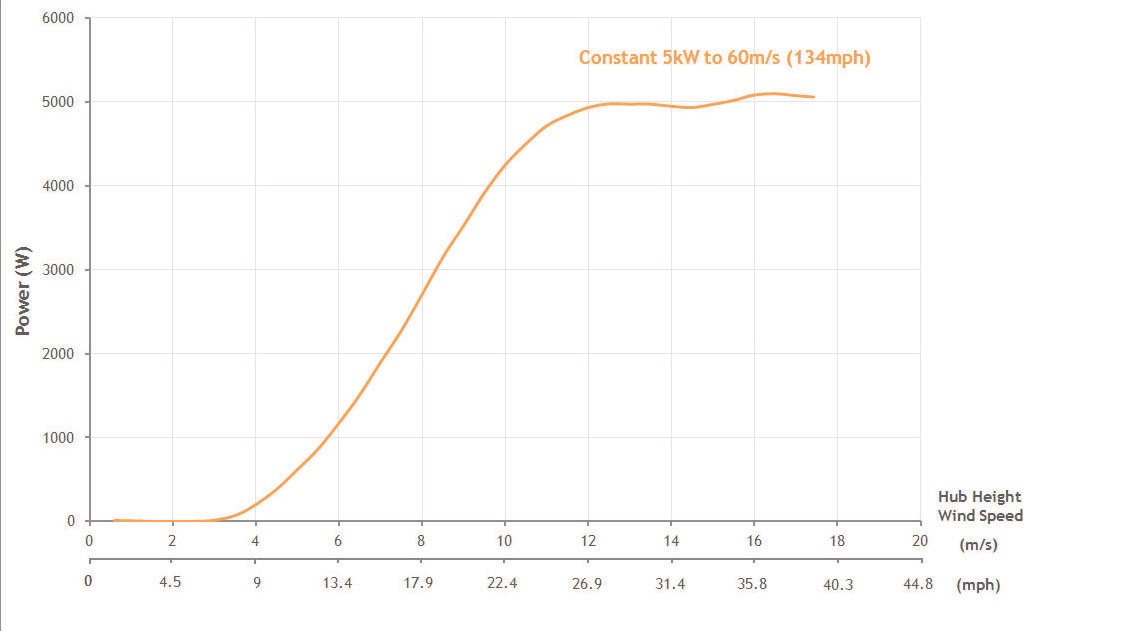
Evance Wind Turbines have been manufacturing and supplying small wind turbines for over 10 years. The R9000 5kW wind turbine has been engineered to ensure maximum energy yield by generating energy at low wind speeds, and by running continuously and safely at high wind speeds – the most efficient 5KW turbine available.

Using the latest advances in aerodynamics and electronics, their engineers set out to bring you one of the most advanced small wind turbines on the market with unsurpassed efficiency, reliability and safety.

Testing and qualifying the product in the most extreme of conditions meant that the Evance R9000 was the first wind turbine under 10kW to be fully certified under the UK Government Industry Standard, Microgeneration Certification Scheme.  This accreditation is a formal recognition of the durability, reliability, safety and overall performance of the R9000, which provides customers with confidence in the turbine.

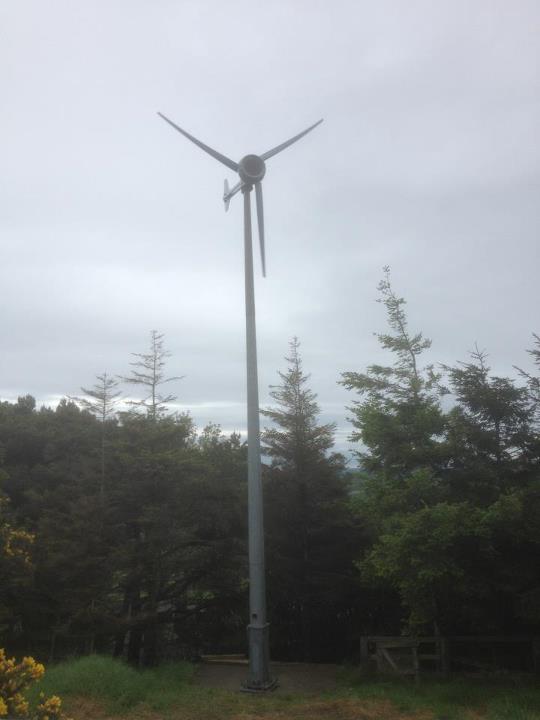
Evance R9000 installed in Dublin

The Evance R9000 Advanced Wind Turbine is the result of 10 years of dedicated research and development, and is based on the experience of designing utility scale turbines. Specifically designed to work with the wind to capture more energy at lower wind speeds, the R9000 is the most efficient 5kW turbine available, producing more energy a year than other 5kW, 6kW and even 10kW turbines. Combining patented state of the art technology and elegant design, the R9000 belongs to the ‘next generation’ of small wind turbines, offering class leading quality, performance and reliability.

The R9000 starts generating energy at low wind speeds and is designed to run continuously at high wind speeds, so providing the maximum yield possible – giving you energy generation when the wind is blowing it’s strongest.

At low to moderate wind speeds the patented pitch system, Reactive Pitch™, holds the blades in the optimum position for capturing maximum energy from the wind. At high wind speeds the R9000’s Reactive Pitch™ mechanism automatically pitches the blades so it can regulate energy capture and blade speed. It therefore continues to capture energy – up to the full 5kW power rating.

The R9000 is manufactured in the UK at new purpose-built facilities near Loughborough. Using automotive experience, each one is assembled under strict quality control. Every R9000 undergoes final testing to ensure that it complies with Evance exacting standards.

The R9000 wind turbine delivers class leading energy yields allowing households and businesses to reduce electricity bills substantially, and in some cases generate an income.

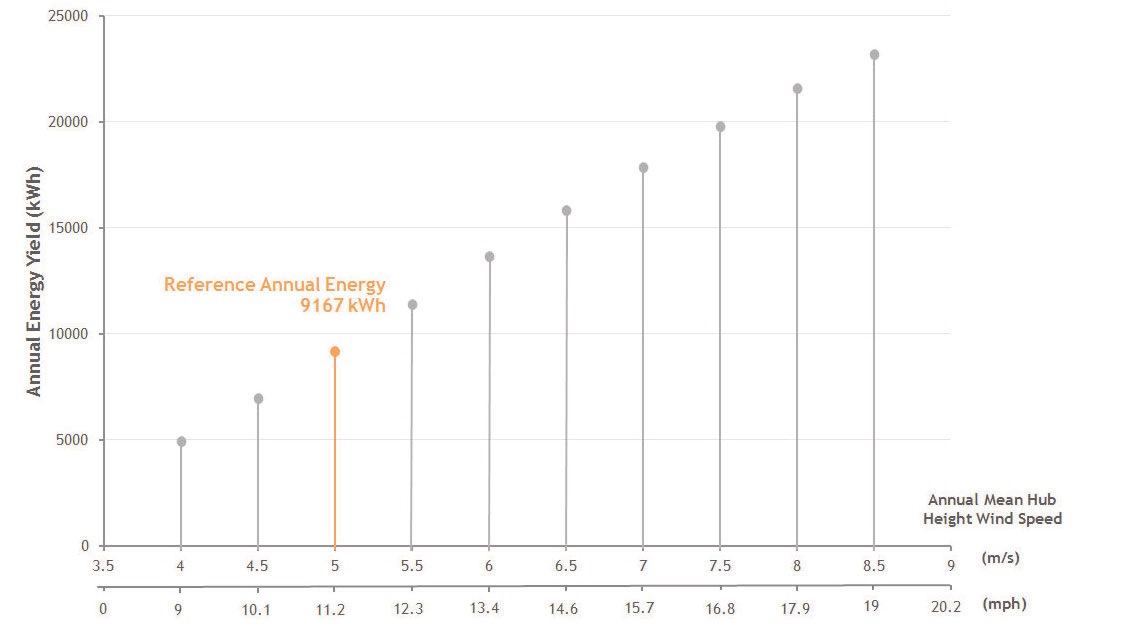
By capturing power at low and high wind speeds the R9000 can generate 9,167kW with Annual Mean Wind Speed (AMWS) of 5m/s  (11.2mph).

Average Power vs Wind Speed
Annual Energy Yield vs Annual Mean Wind Speed

Export Tariff Update:

Electric Ireland have extended their micro-generation payment of (9 cent / kWh) by a further year to 31st December 2012. This will be the second successive year that the expiry date has been extended and it reinforces Electric Ireland’s commitment to its support of customers who install a domestic micro-generator.

ESB Networks continue to offer a support package up until 29th February 2012, comprising of a free installation of import / export meter and payment of a support payment of (10 cent / kWh) which applies to the first 3,000kWh exported annually. This payment will last for a period of 5 years and will end on the 5th anniversary of the contract start date.

The ESBN micro-generation payment (10 cent / kWh) and the free installation of import/export meters will not be extended beyond 29th February 2012.  Import/export meters will now be charged at approx €350.00.

The average electricity consumption in Ireland is 5,000kWh per household per year. The R9000 can generate 13,653kWh, based on an annual mean wind speed of 6m/s, more than enough electricity to run two households.  There are also planning exemptions for small-scale wind turbines in Ireland.

Evance R9000

The R9000 requires minimal maintenance

Both the wind turbine and the tower are designed to provide outstanding durability – a minimum design life of 20 years. With few mechanical parts, in particular no gearbox, the R9000’s maintenance is minimal.

The Evance 5kW Wind Turbine installed on a farm in Boolavogue, Co. Wexford: http://www.youtube.com/watch?v=rH5hfrw1lbI

For further information read the Evance R9000 brochure.

Click here  for more information on Micro-generation export and refit tariff updates.

Climate Change Conference

Eco Evolution were invited to the climate change conference by the Wexford County Development Board.

The speakers on the day were from the EPA, Wexford County Council, NUI Maynooth, Teagasc and Courtown Waterworld.

Wexford County Development Board, (CDB), wanted to highlight and discuss the implications of climate change. The CDB launched its strategy “Action for change 2009-2012” last year. Action 7 calls for a  local multi-agency response to climate change. The aim of the conference was to raise local awareness and consider how Wexford can adapt to the likely impacts.

In time, the impacts of climate change will be more apparent in Wexford. There continues to be debate but predicted effects include:

  • More intense storm and rainfall events
  • Water shortages in the Summer and the need to irrigate crops
  • Effects on fish species that are sensitive to small temperature changes
  • Accelerated coastal errosion

The purpose of this conference was to localise the issue, to highlight the effects of climate change for our economy and public services and our citizens and their environment. The conference illustrated the impact of climate change at County level and also the possible adjustments that may be needed to manage longer term change.

For full details of the Conference speakers presentations follow the link below:

http://www.wexfordcdb.ie/cdb/ClimateChangeConference/#d.en.14835


No further carbon credits needed by Ireland

EPA Press Release: 28th April 2010.

  • Latest greenhouse gas emissions projections show Ireland will comply with Kyoto Protocol without any more purchases
  • Achieving more stringent 2020 targets will require further reduction measures yet to be identified
  • Growth in transport emissions projected to slow significantly to 2020 compared with annual growth rates 1990-2008
  • Carbon sinks (such as increased afforestation) crucial for 2020 target

The EPA today released projected emissions of Ireland’s greenhouse gases up to 2020. These projections, produced on an annual basis, give a picture of Ireland’s ability to meet international targets with respect to greenhouse gas emissions and update those published in March 2009.

The projections are reported on a sectoral basis and highlight, once again, that the key sectors contributing to greenhouse gas emissions in Ireland are agriculture, energy and transport.

Commenting on the projections Dr Mary Kelly, Director General, EPA said:

“National greenhouse gas projections are important in understanding Ireland’s greenhouse gas profile in the medium term, and in assessing the effectiveness of policy measures designed to reduce emissions of greenhouse gases.  The projections released today reflect the effects of the economic downturn, and the anticipated recovery, based on ESRI economic forecasts. Even with reductions due to the downturn it is projected that Ireland will still be 2.8 million tonnes per annum of CO2e above the non-ETS target in 2020 taking the most ambitious scenarios set out in Government policies and assuming that forestry sinks are fully included.”

Complete EPA Report: http://www.epa.ie/news/pr/2010/name,28091,en.html