
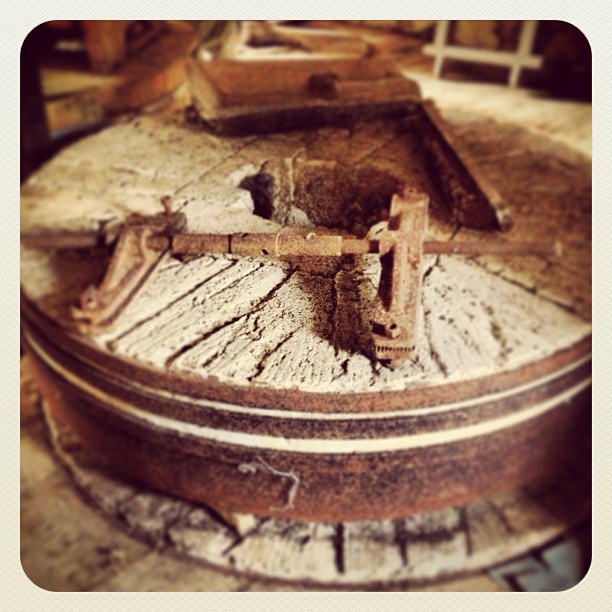
Hydropower generates electricity at off-grid farm
A family living in a remote part of the North York Moors are proving that hydropower really works.
The National Trust owned farm is situated seven miles from the nearest town, surrounded by moorland, has no neighbours, no mains gas, no mains water and no mains electricity. The farmhouse was originally built in 1707 and when the family moved in in 1995 there was no central heating, electric kettle, toaster, fridge, washing machine – in fact there was no electrical mod cons of any description. Bottled gas was used for the cooker and a diesel generator operated in the evenings only.
The generator was expensive to run because of the cost of diesel (approx £5,000 per year), spare parts for the generator because it was running for so many hours every day, maintenance, filters etc .
The family contacted the electricity board about installing an electricity supply but because their farm was so remote and they were surrounded by moors the cables would have to go underground and this was just too expensive and would also have had an adverse affect on the landscape.
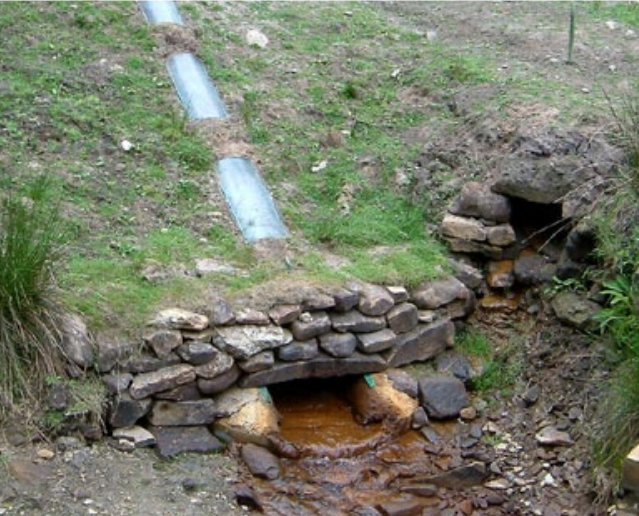
The stream running pass the farmhouse made hydro power seem the obvious choice for power generation but the shallow gradient of the stream initially caused problems because at the time they couldn’t find a suitable turbine for the low head site.
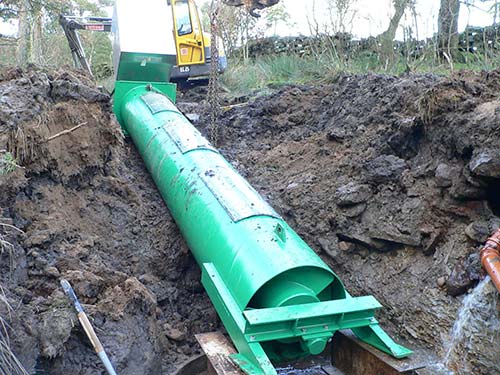
They then heard about the Archimedean Screw hydropower turbine which operates at low heads heads from 1m – 10m. Mann Power Consulting Ltd brought the Archimedean Screw turbine into the UK for the first time, and has been at the forefront of supplying this equipment for hydro generation projects since 2004. After visiting an Archimedean Screw hydropower project the family decided that this was indeed a viable option for them to eventually generate electricity.
The North York Moors National Park Authority had also just started a sustainable development fund and the families’ landlord, the National Trust, were keen to tap into that. In 2007 Mannpower Consulting Ltd were engaged to design and install the Archimedean Screw.
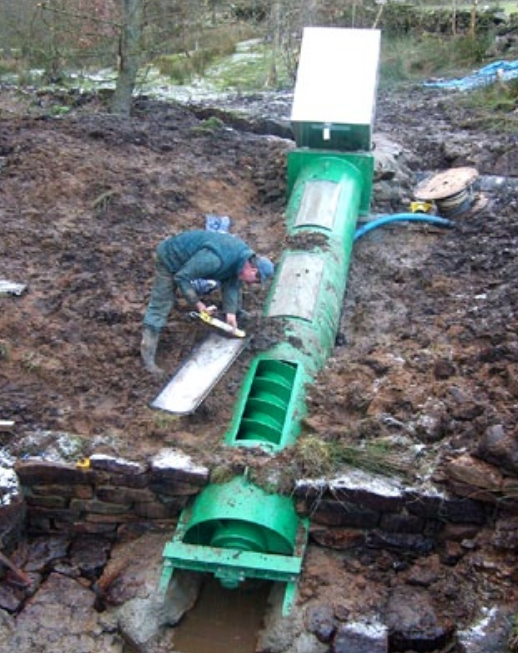
After carrying out a feasibility study it was decided that the best option for the site was an enclosed compact Archimedean Screw hydro turbine as it would not adversely affect property downstream or wildlife. Each Archimedean Screw hydropower turbine is manufactured to be site specific. The enclosed compact allowed the turbine to be positioned underground, minimising its impact on the environment.
Three clear panels enable the screw to be monitored and also allow the workings to be visible to the public. This also allows it to be used to educate the public about hydropower and alternative energy sources.
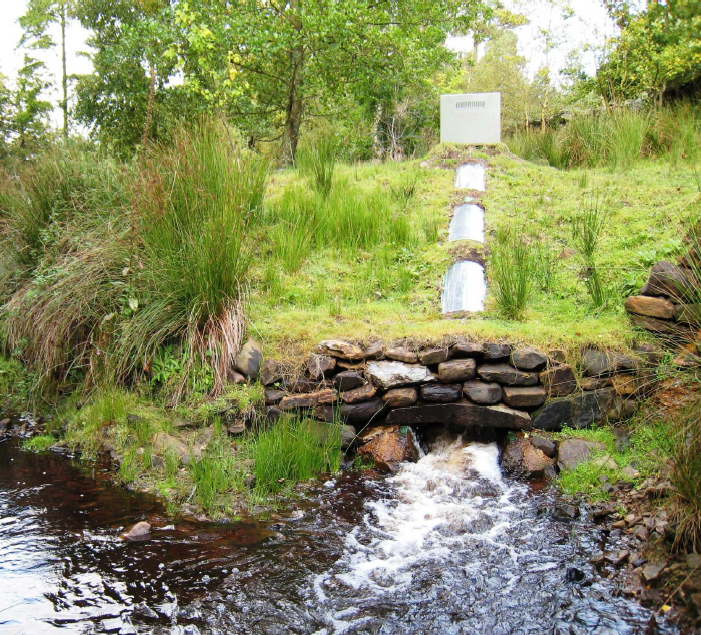
Rated at 1.0kW and a capacity of 100 l/s and an estimated annual output of 3,500kWh the hydro turbine is predicted to save in excess of 1 tonne of Carbon Dioxide (CO2) annually. An underground cable connects the generator to the control panel in the farmhouse via the batteries and inverter located in the store near the farmhouse. The family can now operate appliances for their home especially a fridge freezer and lights at night – necessities they couldn’t have while using a diesel generator.
Extra batteries were added to the storage so that they can, if fully charged, power the farm for almost a week in the event of no water flow. The family have also installed a solar pv panel to boost their electricity and also a solar thermal panel to supply their hot water needs.
Green energy has made a huge difference to the lives of this family. Is this something you would consider doing?
Chooseday’s Choice! ~ What energy rating are your appliances?
Where does your energy go?
Under EU law domestic appliances including dishwashers, washing machines, dryers, fridges, freezers and ovens in Ireland must display an energy rating label when offered for sale. These labels are designed to help consumers make an informed decision about the energy consumption of domestic appliances. The labels are clear and concise, and provide useful information such as the appliances energy consumption (kWh) and noise level (dB). An important component of the energy label is the energy efficiency rating which is scaled from ‘A’ which is most energy efficient to ‘G’ which is the least energy efficient. It’s hoped that consumers will be more mindful of the potential energy consumption of appliances and choose a more energy efficient, environmentally friendly model.
You Choose!
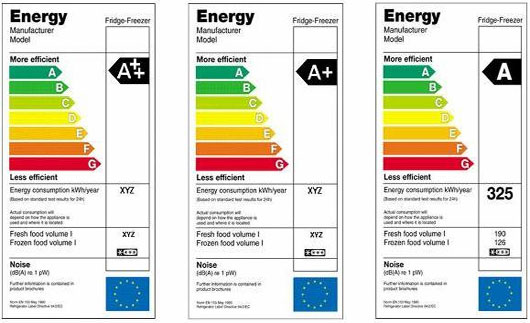 In an attempt to keep up with advances in energy efficiency and the increased energy efficiency levels achieved in the design of certain electrical appliances by manufacturers the EU created the following new ratings A+, A++ and A+++ for domestic fridges, freezer and fridge freezers.
Labelling
The energy labels are separated into at least four categories:
- The appliance’s details: according to each appliance, specific details, of the model and its materials
- Energy class: rated from A+, A++, A+++, A to G which gives an idea of the appliance’s electrical consumption
- Consumption, efficiency, capacity, etc.
- Noise: the noise emitted by the specific appliance when in operation
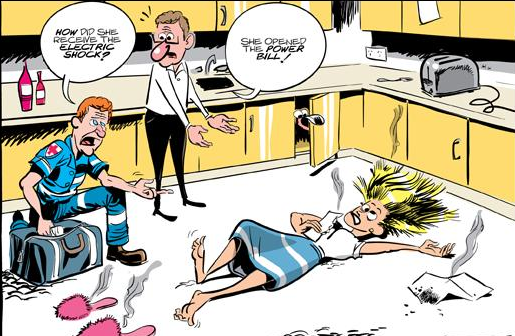
Green Your Appliances or you will be shocked too 🙂
Did you know?
An ‘A’ rated appliance will use about 55% of the electricity of a similarly sized appliance with a ‘D’ rating. Always look for the energy label and purchase ‘A’ rated appliances where possible, they can save their replacement cost over their lifetime and benefit the environment. By purchasing an ‘A’ rated fridge instead of a ‘C’ rated one, each household could save €14 per annum or collectively €18m nationally, with CO2 savings of over 85,000 tonnes annually.
Remember: by buying energy efficient appliances you are not only reducing your energy bills and saving money you are also helping the environment. The next time a kitchen appliance needs replacing check out the energy ratings of each appliance (which should be clearly displayed on every product) and purchase the most energy efficient one that you can afford. The better the energy rating the more money you will save on your energy bills. If all your household appliances are A rated it is possible to save up to €100 on your yearly energy bill.
What energy rating are your kitchen appliances? When purchasing a new appliance does the energy rating make a difference to your final decision?
An ‘A’ rated appliance will use about 55% of the electricity of a similarly sized appliance with a ‘D’ rating. Always look for the energy label and purchase ‘A’ rated appliances where possible, they can save their replacement cost over their lifetime and benefit the environment.
By purchasing an ‘A’ rated fridge instead of a ‘C’ rated one, each household could save €14 per annum or collectively €18m nationally, with CO2 savings of over 85,000 tonnes annually.
– See more at: http://www.seai.ie/Schools/Post_Primary/Subjects/Home_Economics_JC/Appliances/#sthash.5z4UPxes.dpuf
An ‘A’ rated appliance will use about 55% of the electricity of a similarly sized appliance with a ‘D’ rating. Always look for the energy label and purchase ‘A’ rated appliances where possible, they can save their replacement cost over their lifetime and benefit the environment.
By purchasing an ‘A’ rated fridge instead of a ‘C’ rated one, each household could save €14 per annum or collectively €18m nationally, with CO2 savings of over 85,000 tonnes annually.
– See more at: http://www.seai.ie/Schools/Post_Primary/Subjects/Home_Economics_JC/Appliances/#sthash.5z4UPxes.dpuf
An ‘A’ rated appliance will use about 55% of the electricity of a similarly sized appliance with a ‘D’ rating. Always look for the energy label and purchase ‘A’ rated appliances where possible, they can save their replacement cost over their lifetime and benefit the environment.
By purchasing an ‘A’ rated fridge instead of a ‘C’ rated one, each household could save €14 per annum or collectively €18m nationally, with CO2 savings of over 85,000 tonnes annually.
– See more at: http://www.seai.ie/Schools/Post_Primary/Subjects/Home_Economics_JC/Appliances/#sthash.5z4UPxes.dpuf
An ‘A’ rated appliance will use about 55% of the electricity of a similarly sized appliance with a ‘D’ rating. Always look for the energy label and purchase ‘A’ rated appliances where possible, they can save their replacement cost over their lifetime and benefit the environment.
By purchasing an ‘A’ rated fridge instead of a ‘C’ rated one, each household could save €14 per annum or collectively €18m nationally, with CO2 savings of over 85,000 tonnes annually.
– See more at: http://www.seai.ie/Schools/Post_Primary/Subjects/Home_Economics_JC/Appliances/#sthash.5z4UPxes.dpuf
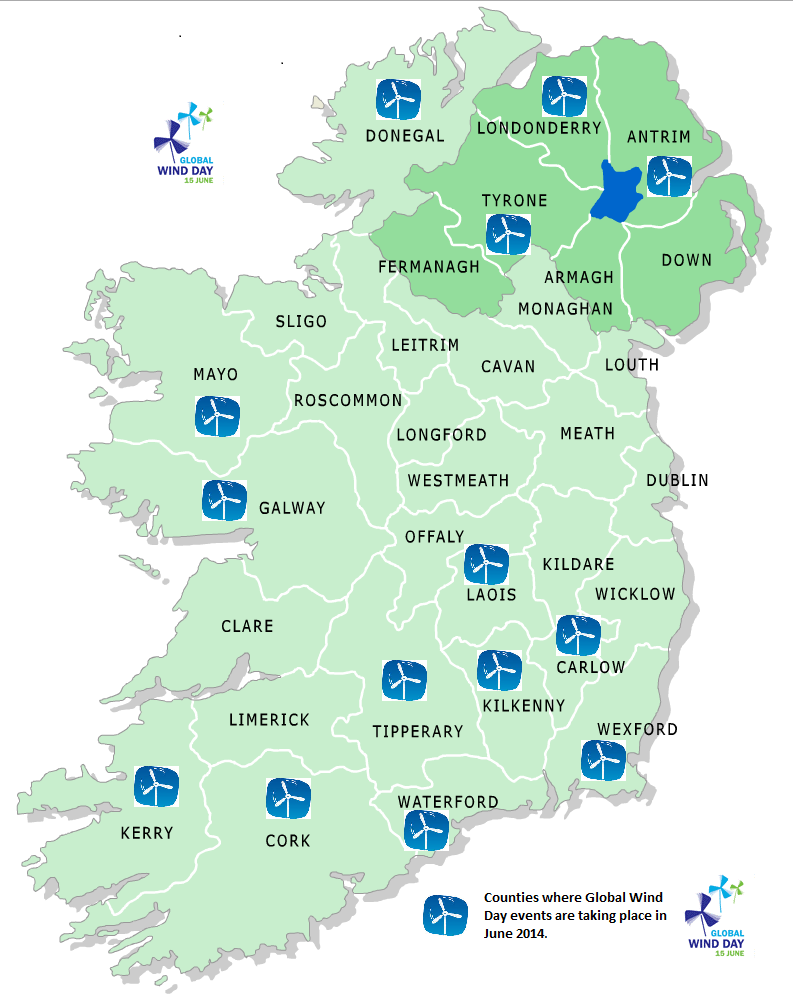
Global Wind Day 2014 – Ireland
Global Wind Day is a worldwide event that occurs annually on 15 June. It is a day for discovering wind, its power and the possibilities it holds to change our world. This year sees wind farms across Ireland hosting an array of events to celebrate wind energy. The activity dates vary and some are hosting public wind farm open-days so that families can learn about wind energy and see the turbines in operation themselves, whilst others are inviting schools for fun, games and facts on wind.
It is also a day for discovery of the work that has already begun by pioneers around the world. In more than 75 countries around the world, wind farms are in operation, generating energy from a clean and renewable source.
Thousands of individuals are involved in the production of energy from the wind, but for many people, wind energy is a mystery. Global Wind Day is the day when you can visit wind farms, meet experts, attend events and find out everything you want to know about wind energy.
The European Wind Energy Association (EWEA ) and the Global Wind Energy Council (GWEC ) coordinate the Global Wind Day through a network of partners. The day started as a European one in 2007 and went Global in 2009. On 15 June, thousands of public events are organised all over the world.
How it all began:
The Wind Day was first held in 2007, as the European Wind Day organised by the European Wind Energy Association (EWEA). The main idea was to connect a network of partners as well as using centralised communication tools, press releases and distribution of gadgets and coordinate of event organised by national wind energy associations and companies active in the wind energy field. The Wind Day in 2007 reached 18 countries, with a participation of around 35,000 people. By 2008, the event’s reach extended to 20 European countries and attracted 100,000 people.
In 2009, EWEA joined forces with the Global Wind Energy Council (GWEC) and extended the reach from European associations and companies to coordinate Wind Day events across the globe. That year, the 300 events in 35 countries across the globe reached up to 1,000,000 people.
In 2010 and 2011 between 220 and 230 events took place in around 30 countries. Since 2009, Global Wind Day has reached more than 1,000,000 people plus the thousands of people engaging and supporting the event through online means such as social media.
Last year was a great success in Ireland with over 1000 people visiting wind farms across the country. This year sees a number of wind farms across Ireland hosting an array of events to celebrate wind energy. The activity dates vary and some are hosting family days whilst others are inviting schools for fun, games and facts on wind.
Events organised around Ireland to celebrate Global Wind Day – Irish Wind Energy Association (IWEA)
‘Life Lives on the Edge’ – conservation of biodiversity
Last year Wexford County Council introduced a pilot project ‘Life Lives on the Edge’ in four locations throughout the county to increase wildflowers along the National roads. The plan is to encourage an increased biodiversity of flora and fauna along our roadways. This is the first project of its kind in Ireland. The overall aim of the project is to enhance or rediscover the range of visible biodiversity that potentially exists along Wexford roads. The designated areas vary in length and their boundaries will be defined by signposts at either end of the vegetated strips. These signposts will be recognisable by the projects slogan “Life Lives on the Edge”, which aims to highlight the importance of road verges and hedgerows as crucial wildlife corridors for Wexford’s flora and fauna.

In recent times, excessive concern with neatness on roadsides has led to development of verge management specifications that are not compatible with conservation of biodiversity, weed control or cost-effective vegetation management. This project is concentrated on maintaining the roadside vegetation at the four pilot sites thereby achieving biodiversity goals without neglecting safety or infrastructural maintenance objectives. These areas have been initially cut once in February/March and again in September. This should encourage the establishment of native wildflower abundance on the edge of our roads.
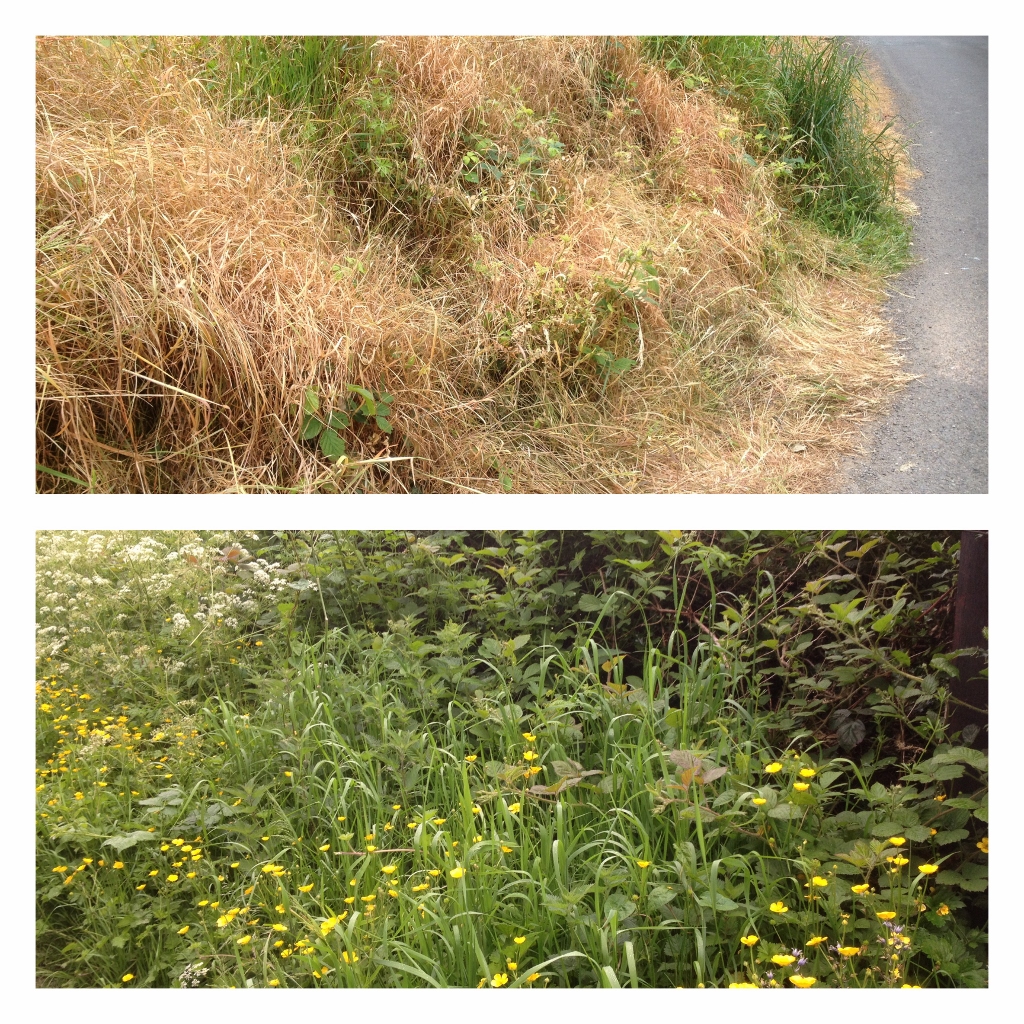
It’s not just the severe cutting back of roadside verges and hedgegrows that’s not compatable with the conservation of biodiversity. The use of herbicides to kill weeds and vegetation on road verges is also a huge problem that needs to be addressed. It removes seed producing plants important for many species, and destroys cover and travel corridors for wildlife. Bees, our most important food pollinators are in decline, so too are butterflies, birds and many insects and this is due directly to the over use of herbicides and pesticides.
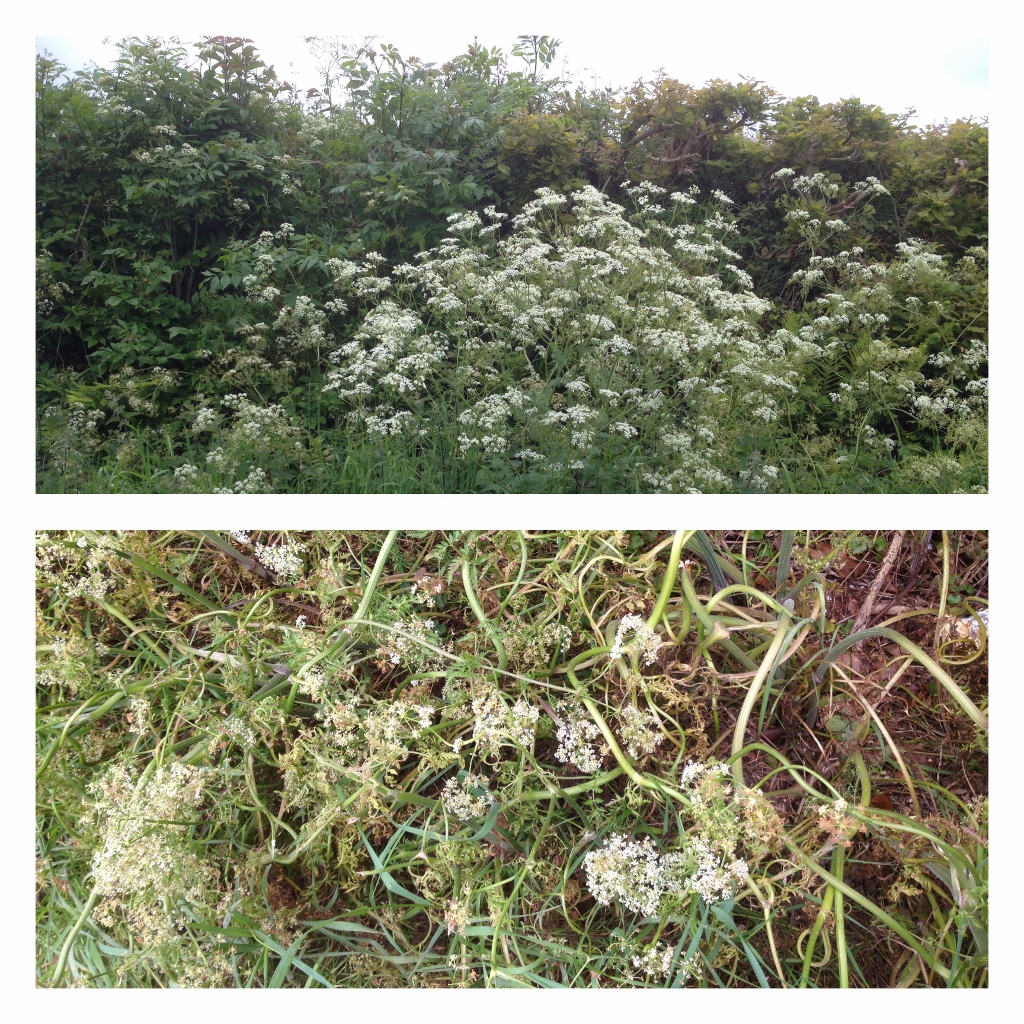
Ireland has a diverse and astounding collection of wildflowers some of which are sadly now in decline. Our obsession with tidy landscaped gardens, roadside verges and not allowing wildflowers to grow and our overuse of herbicides and pesticides are a contributing factor for our wildflower decline. This in turn has a knock on affect on our native bees which are now in decline partly due to the loss of habitat and this poses risks for agricultural crops that depend on bees for pollination.

Pollinator habitats can attract domestic honeybees, but also wild bees and other wild beneficial insect species. These beneficial species include many different wasps, beetles, predatory mites, and more. These beneficial insects prey upon the kinds of insects that damage crops, so keeping them around can help reduce pesticide applications.

So what can we do to help conserve our biodiversity and increase our pollinator habitat?
- Extending the ‘Life Lives on the Edge’ project being piloted in Co. Wexford to all counties to help increase our pollinator habitats. One of the areas designated for this pilot scheme is quite near my home and since the pilot began there is a marked increase in wildflowers on that section of roadway.
- Plant native wildflowers in our gardens or leave a strip of un-mown grass to encourage wildflowers. Most Tidy Towns groups are doing this to help increase our pollinator habitat.
- Organic gardening can increase biodiversity. Over the last few years there has been an increase in the number of Community Gardens being set up and more and more homeowners are looking at growing their own. Successful organic gardens are diverse polycultures, supporting populations of pollinators, predators, and parasites that create a healthy and balanced garden community.
- If there is a need to use weedkillers there are organic alternatives available on the market.
- Aim toward the banning of harmful Glyphosate herbicides. The Dutch parliament are banning the sale of Glyphosate herbicides to private persons from the end of 2015. Why can’t we follow suit?

The selection of wildflowers in the photos were taken on a 1km stretch of road during the week. I’m sure if I had looked closer I would have spotted some more but these are the ones that caught my eye as I strolled along the road.
What are you doing to help conserve biodiversity and increase our pollinator habitats?
Chooseday’s Choice! ~ Herbicides – yes or no?
Herbicides, such as those formulated with glyphosate, are non-selective. Non-selective herbicides kill ALL plant types, including grasses, perennials and woody plants not just weeds. Improper application or wind drift can kill non-targeted plants. Because it gets absorbed into the plant mainly through its leaves, and also through its soft stalk tissue, the entire plant will be affected. Glyphosate travels through the plant, affecting its metabolism and killing the entire plant slowly. Once sprayed, plants display stunted growth, loss of green coloration, leaf wrinkling or malformation and finally, tissue death.
You Choose!
Herbicides can contaminate the soil and pollute waterways, negatively affecting wildlife and the environment. Herbicides can affect plants that are important to wildlife survival. Killing weeds and vegetation on road verges removes seed producing plants important for many species, and destroys cover and travel corridors for wildlife. Bees, our most important food pollinators are in decline, so too are butterflies, birds and many insects and this is due directly to the over use of herbicides. It’s not just the wildlife that is affected by spraying herbicides it is also known to cause cancer, birth defects, Alzheimer’s, Parkinson’s disease and more.
We need to start thinking about the damage we are causing by spraying herbicides along the verges and in our gardens. More and more of us need to start shouting to get our voices heard with the focus on the banning of harmful Glyphosate herbicides. The Dutch parliament are banning the sale of Glyphosate herbicides to private persons from the end of 2015. If the Dutch can do it well then why can’t we follow suit?
There’s nothing nicer than walking along a country road with the lush green foliage gently swaying in the breeze and the scent of wild flowers wafting through the air. The photos above were taken on a 1km stretch of road in two different locations. Which would you prefer – the lovely green verges full of wildflowers or the dead and dreary verges?
Trimming the verges to neaten them will encourage native wild flowers to grow and if spraying is necessary there are organic sprays available. Think before you spray – the bees will thank you for it!
Hydropower to light up Cragside House once again!
The commissioning of the Archimedean Screw hydropower turbine at the National Trust owned Cragside House and estate has begun. In the coming weeks it will once again re-light Cragside House and enable Cragside to re-tell the story for which it is famous.
“Cragside was the first house in the world to be lit by hydroelectricity”
Cragside was built on the side of a rocky hill in 1863 as a modest two storey country lodge, but was subsequently extended transforming it into an elaborate mansion known as the “palace of the modern magician”. Lord William Armstrong was an ingenious man who was fascinated by renewable forms of energy and used his engineering genius to harness the energy of water to generate electricity.
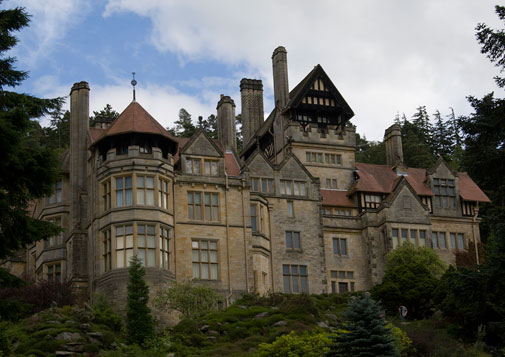
First, in 1878, it was used to power arc lamps and then in 1880 to use Joseph Swan’s newly invented incandescent light bulbs to light the house. There was also a lift installed which was water powered! It is crammed full of ingenious gadgets – most of them still working. Cragside is well known as the first house in the world to be lit by hydroelectricity.
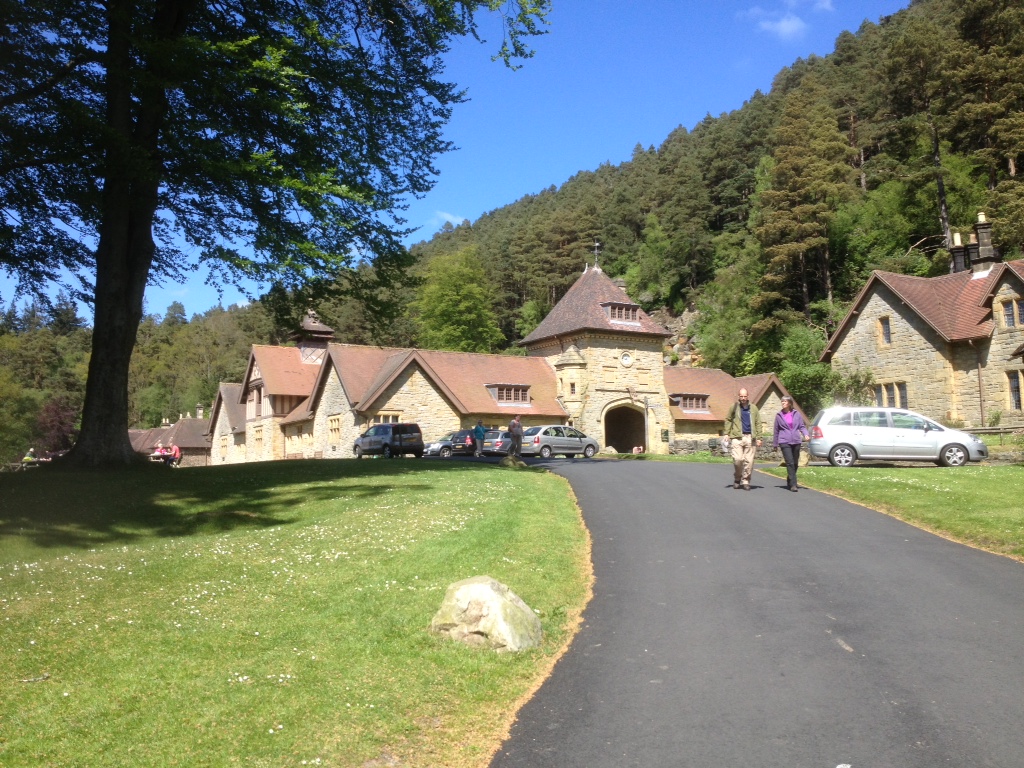
On the 9th April, a century and a half after the first hydropower installation at Cragside House a new hydropower turbine arrived onsite. A 21st century, 17m long Archimedean Screw rated at 12kW and weighing several tonnes was craned into position at the southern end of Tumbleton lake and once commissioned will produce enough energy to re-light the house just like Lord Armstrong did.
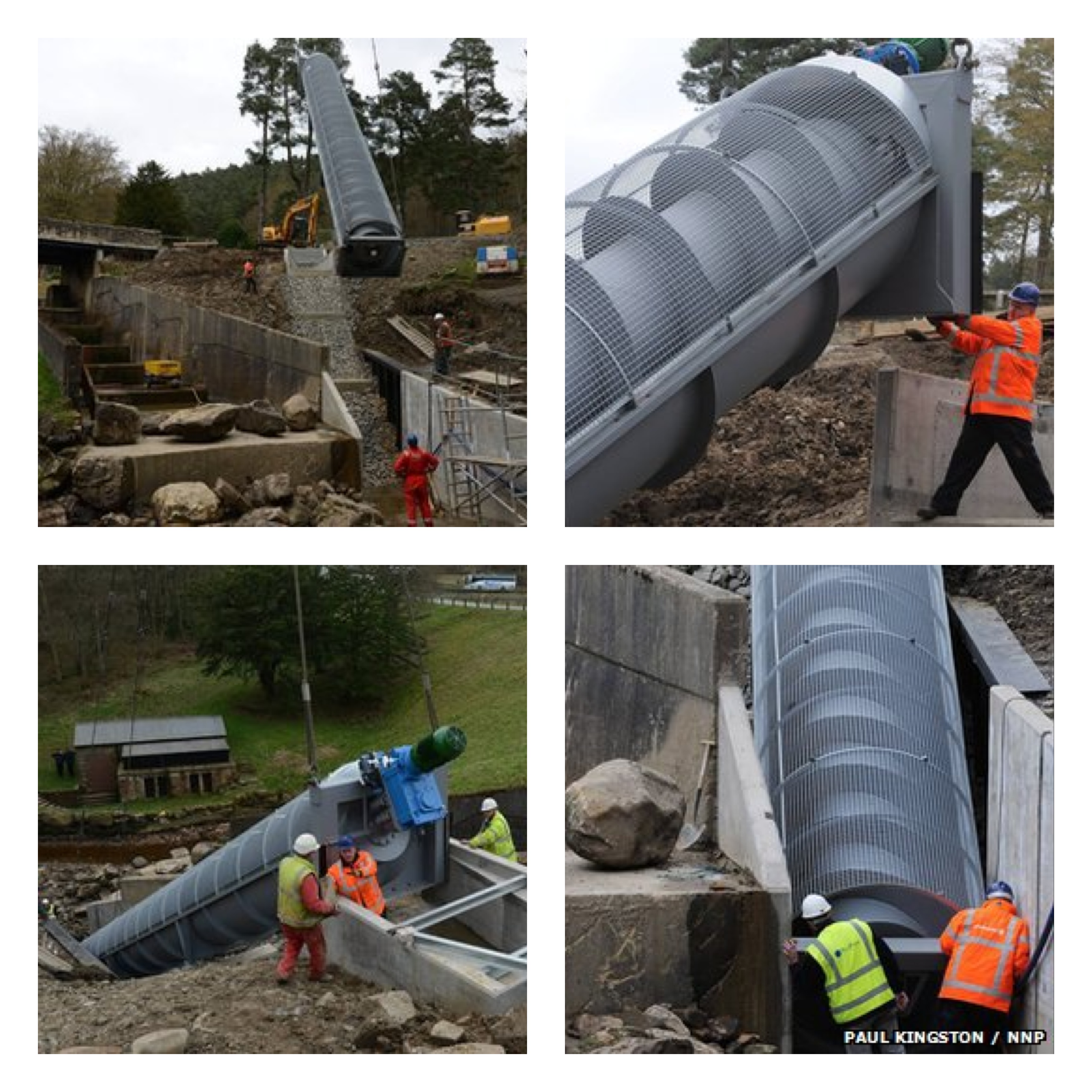
The turbine designed and supplied by Mannpower Consulting Ltd., and manufactured by Landustrie will turn water from Tumbleton lake, the lowest of the five lakes on the Cragside estate, at an angle that allows water to pass between the lake and the burn below. As water passes through the spiral blades it causes the screw to turn, thereby harnessing the energy of falling water. The energy is then converted into electricity using a generator. The technology is well proven with over 100 installations in Europe and was chosen by the National Trust for its many advantageous features.
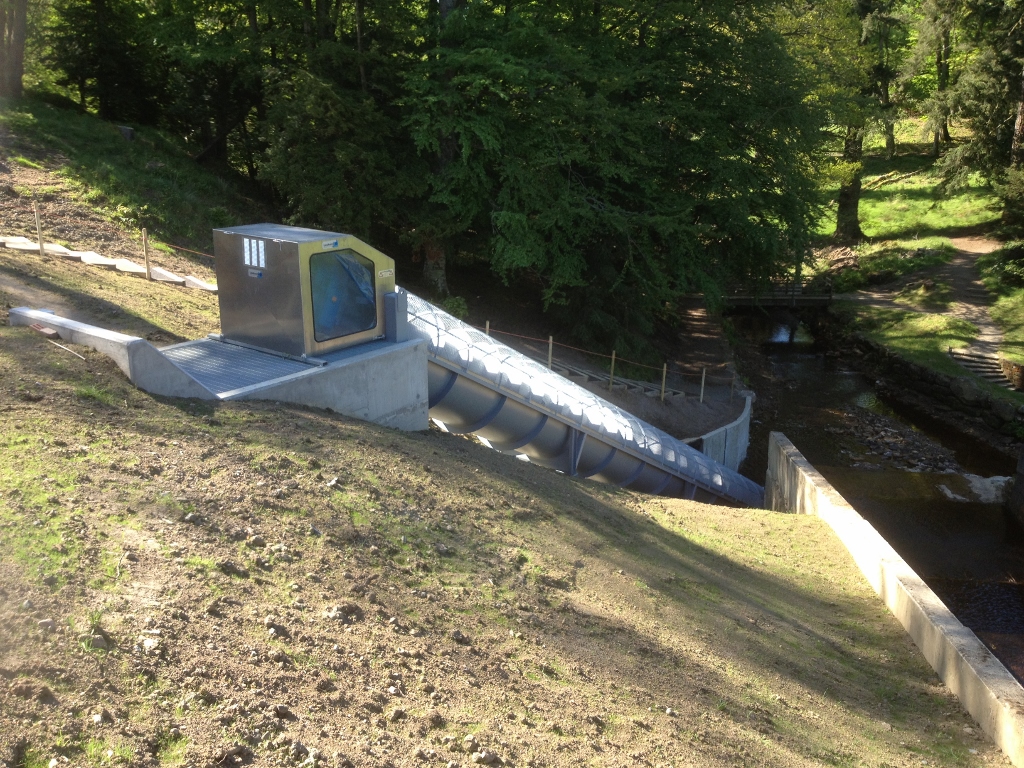
In comparison with most turbines the Archimedean hydropower screw makes use of an open construction and a low rotational speed. This results in a natural flow and there is no pressure build up in the entire installation. Furthermore extensive testing shows that due to the size of water chambers and the fact that there is no pressure difference fish will pass through unharmed. The Landy hydropower screw makes use of a specially designed inlet and outlet that make the screw absolutely fish friendly. The water outlet is designed in such a way for the water (and fish) to smoothly exit the screw without splashing. This also reduces the noise that water creates.
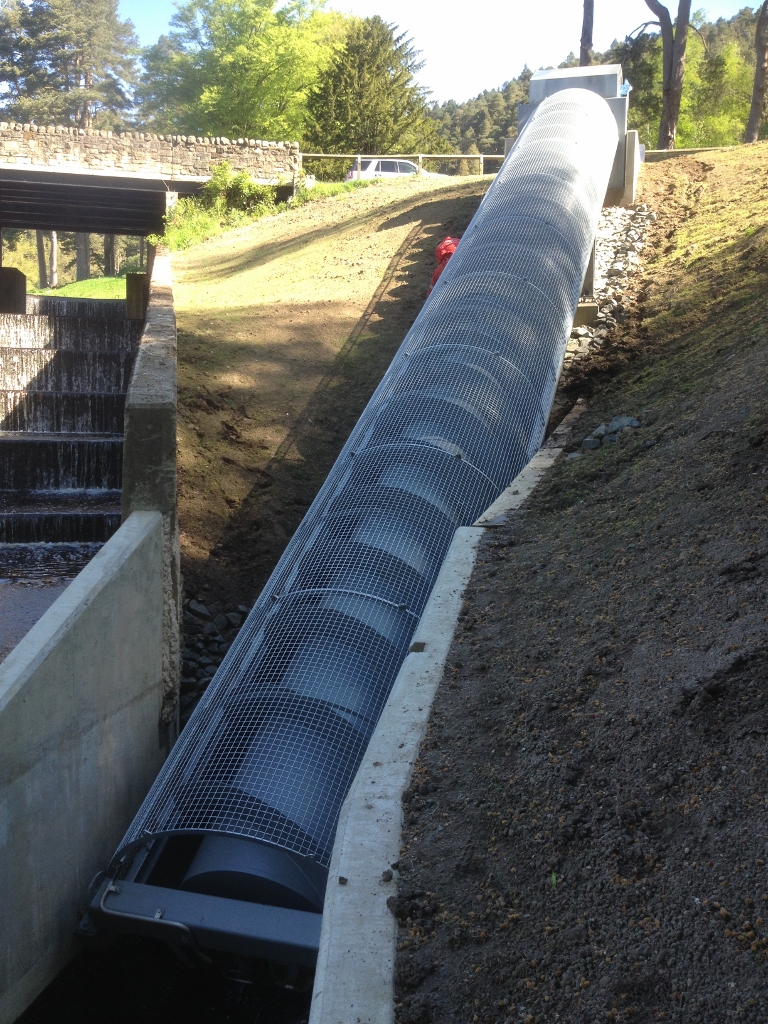
Andrew Sawyer, conservation officer at Cragside commented: “It will be a very visual demonstration of the way hydro power works, an almost sculptural sight in the landscape. Lord Armstrong was an exceptional man with an ingenious mind and the prospect of bringing his vision for Cragside into the 21st century is a dream come true. Hydroelectricity is the world’s most widely used form of renewable energy, so we are looking forward to sharing this very special part of its heritage.”
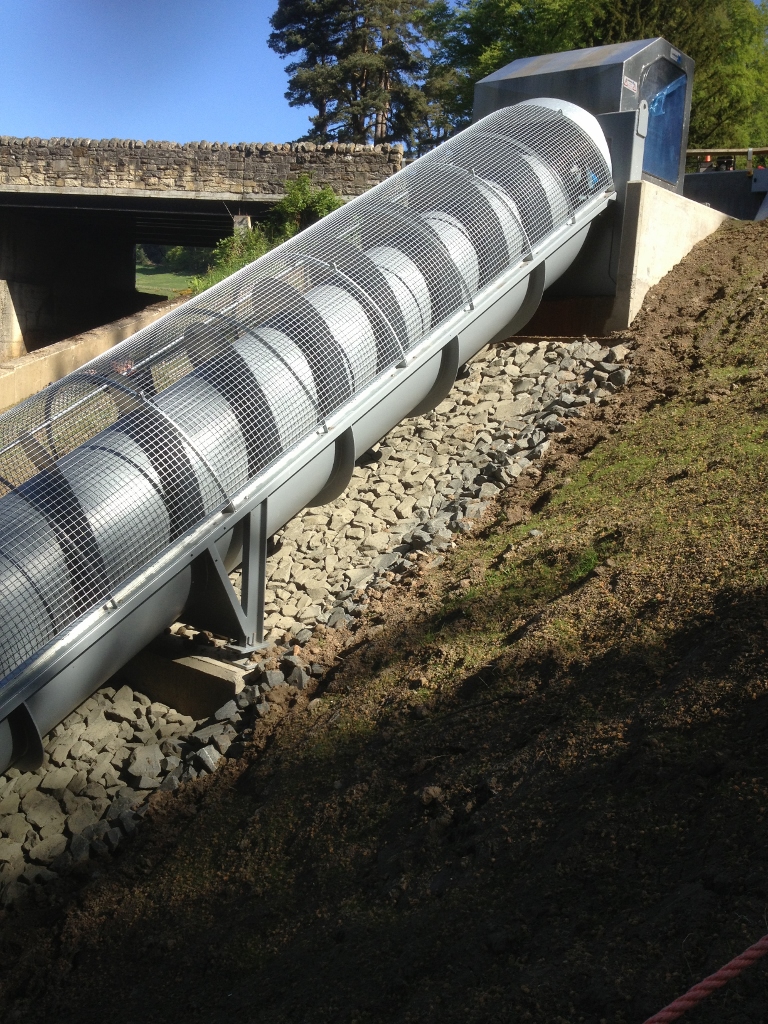
The area around the screw will be landscaped to leave the screw prominent within its setting with the hope that this will add to people’s understanding of why Cragside is so special . Once the lake has refilled, the screw will be put into operation to generate electricity to re- light Cragside House. Visitors will be able to view the technology from the lake side.
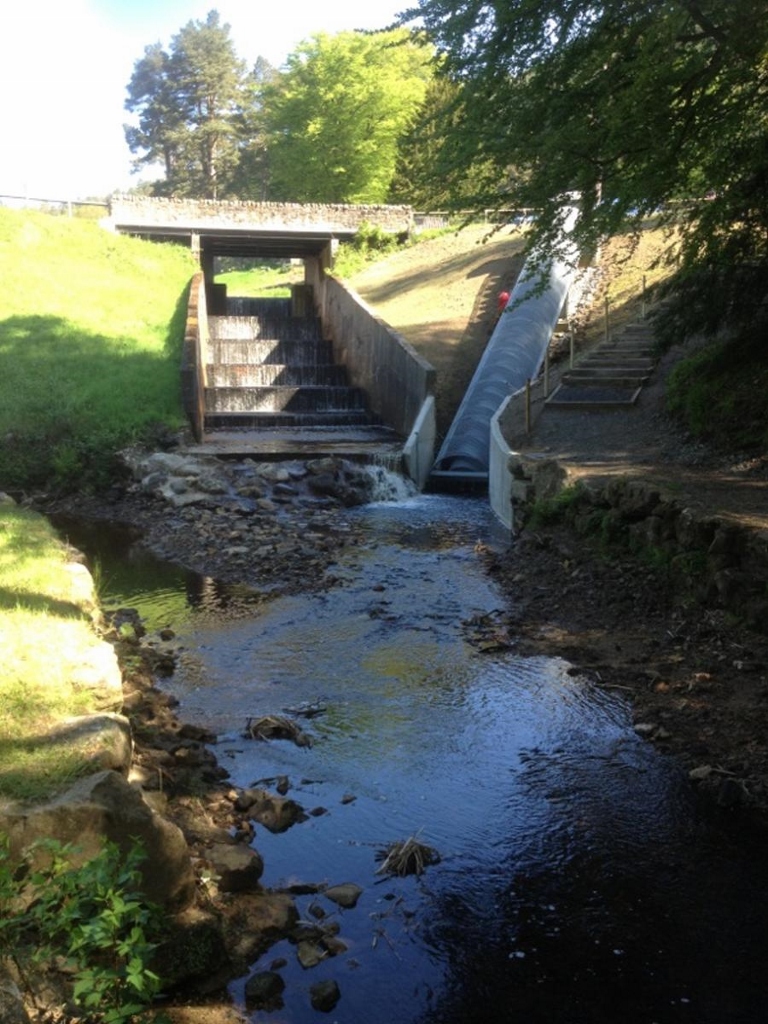
The house and estate became the property of the National Trust in 1977 and was opened to the public for the first time in 1979. The National Trust are very proud of their statement “Cragside was the first house in the world to be lit by hydroelectricity” which will soon become “Cragside was the first house in the world to be lit by hydroelectricity—and it still is”
Official opening:
On the 29th July actor Robson Green turned on the screw at the National Trust property and launched the hydropower project. It was a proud day for Dave Mann of Mannpower Consulting Ltd., to see yet another one of his hydropower projects being switched on to generate clean green energy.
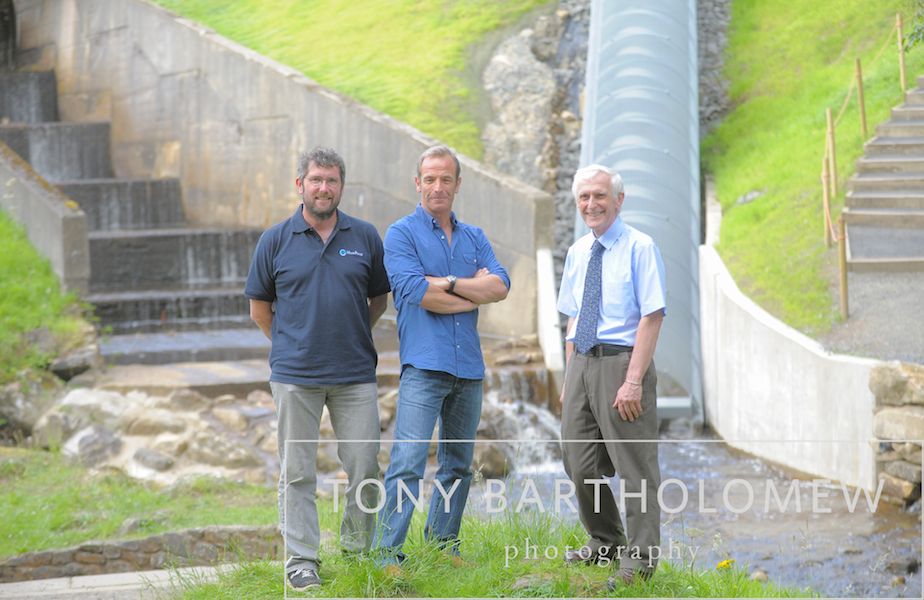
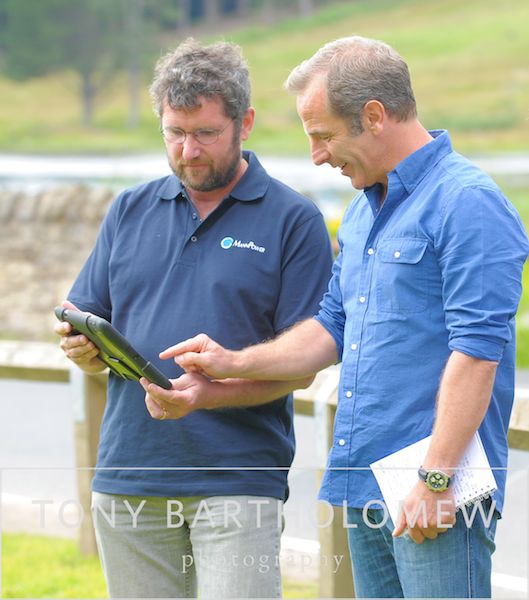
Sarah Pemberton, Head of Conservation for Yorkshire and the North East at the National Trust explains: “The hydro-turbine is a great example of the innovative methods we are using to achieve the highest possible standards of sustainability.
“The technology is easy to maintain due to the simple mechanics, and because it works at low speed, it’s possible for fish to pass through the turbine unharmed. The best thing about the screw is that it’s visible and we hope this will add to people’s understanding of why Cragside is so special. Visitors will be able to view the technology from the lake side.”
Patrick Begg, Rural Enterprises Director at the National Trust, said: “To install a scheme that reflects the character of one of our places so directly is unique. It not only makes economic sense but adds so much depth to the story this special house has to tell.
We design, install and commission hydropower schemes in both Ireland and the UK.
A whistle stop tour with Archimedes!
Accompanied by Dave Mann and his crew from Mannpower Consulting Ltd., we set off on our whistle stop tour beginning with a visit to the IFAT show in Munich and continuing on to visit some Archimedes Screw installations in Munich, Czech Republic and The Netherlands.
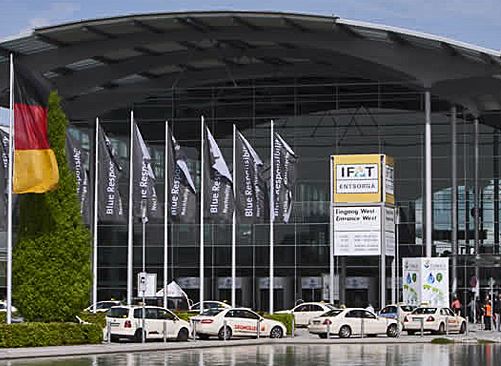
IFAT 2014 is the world´s leading exhibition of innovation solutions for environmental technology. Climate change, rising raw material prices, an increasing number of mega-cities and advancing industrialization in emerging countries boost the demand for products and services that address environmental and climate challenges. With growing pressures on European countries to reverse years of environmental damage and to find more integrated pollution control techniques, the potential is limitless.
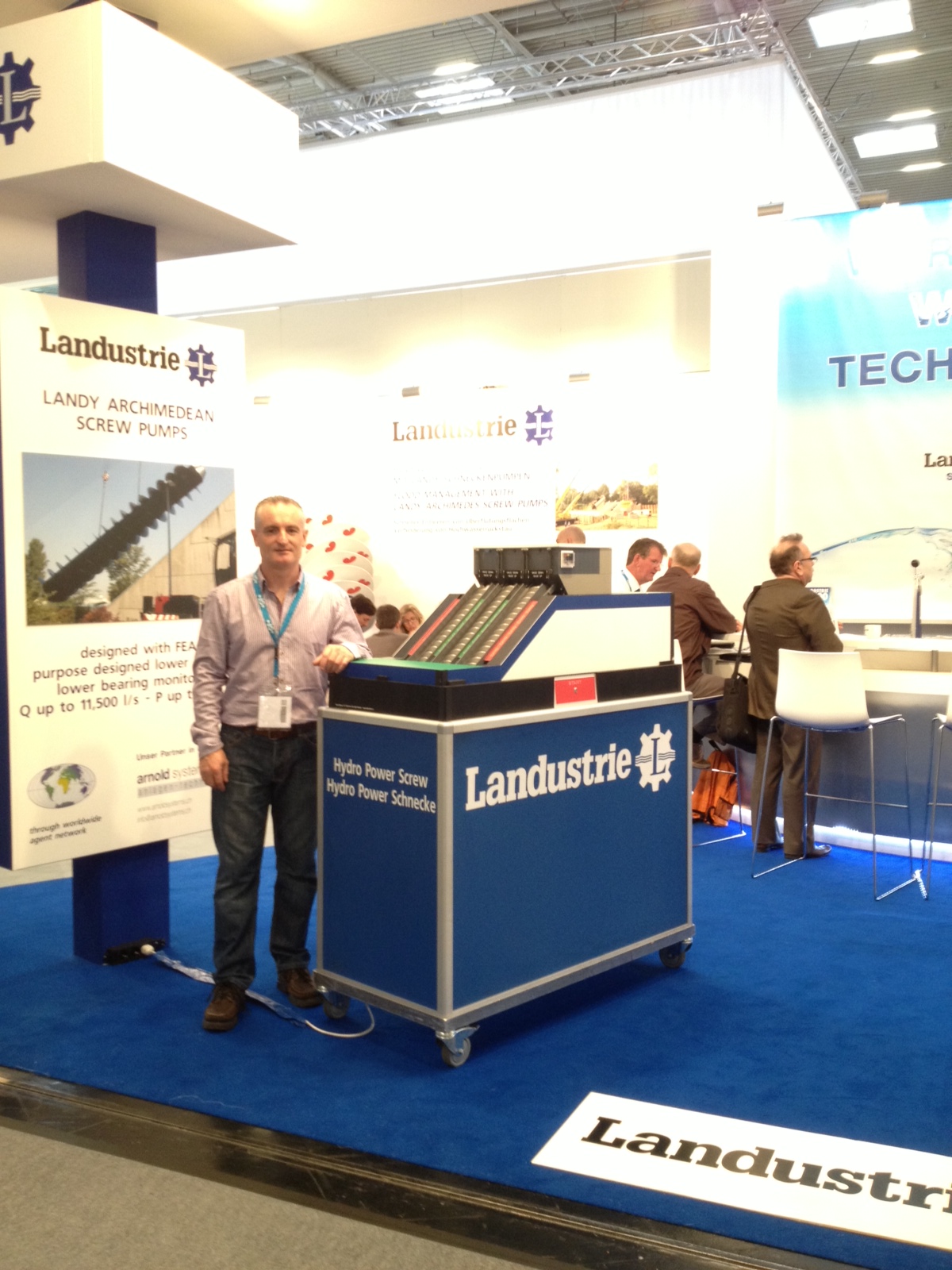
The various exhibitions covering water, sewage, waste and raw materials management showcased the latest water technologies from around the world which identified strategies and applications that will aid the reversal of the damage done to our environment. A total of 3,081 exhibitors from 59 countries attended the show making this the biggest show for the water sector.
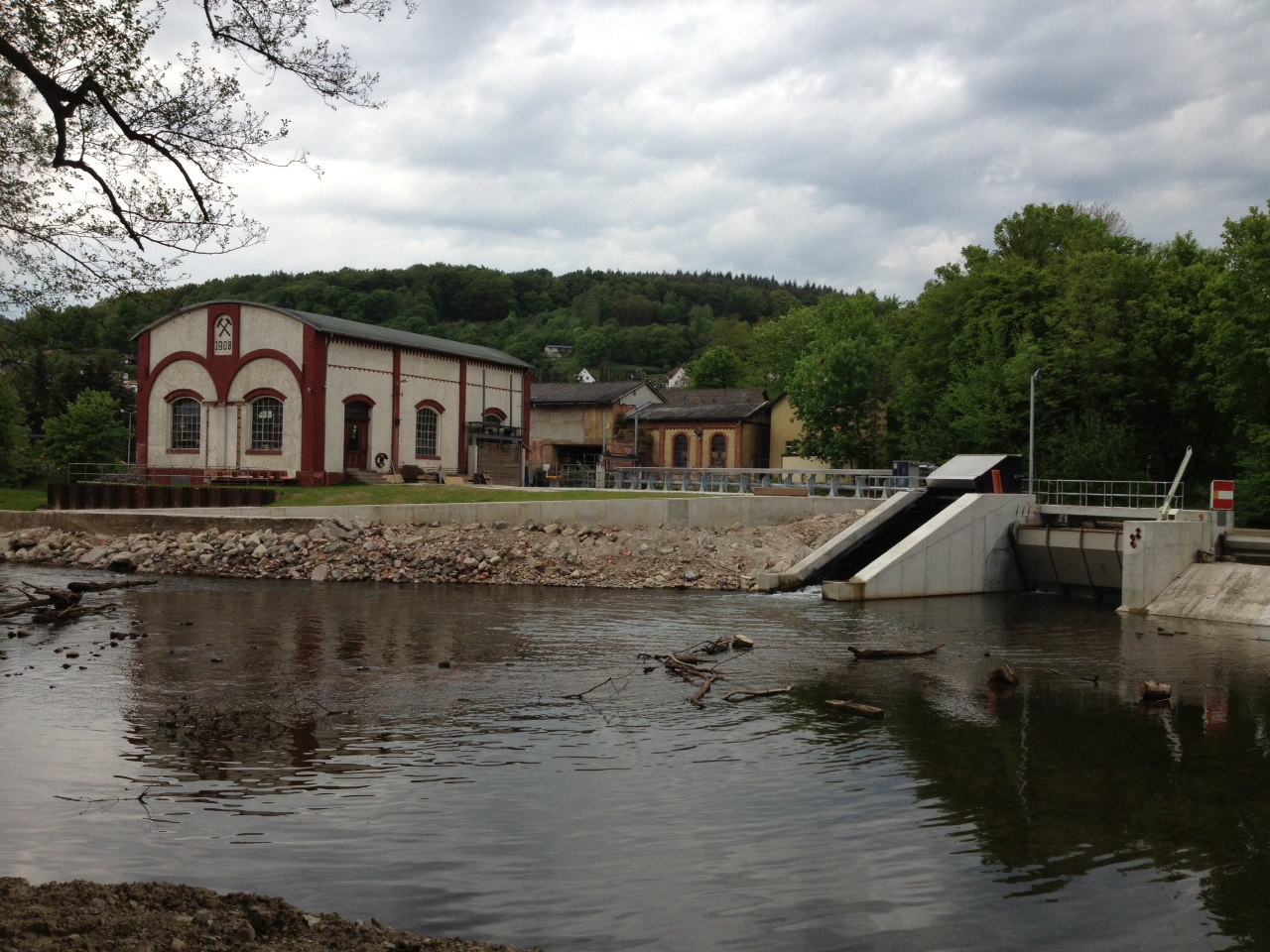
After the exhibition we set off to visit several of the Landy Archimedes Screw hydro installations and finished the tour with a visit to Landustrie the manufacturers of the Landy Archimedes screw based in The Netherlands.
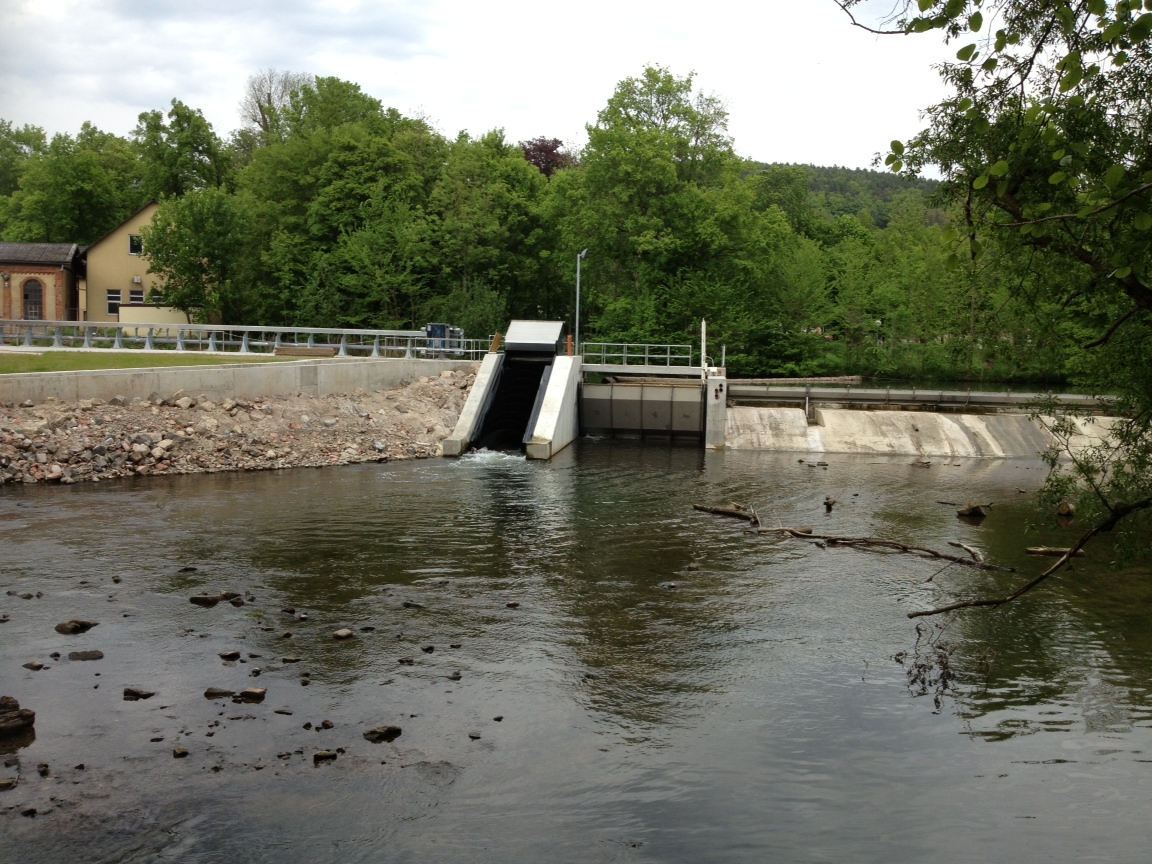
The Archimedean Screw has been used for pumping water for over 2000 years. Applying the principle in reverse, the same equipment now offers a new method for generating power from water, providing a fish friendly and highly efficient alternative to a conventional turbine. Each Archimedean Screw hydropower system is manufactured to be site-specific, with a choice of three designs depending on which is the most appropriate and cost-effective for each individual site.
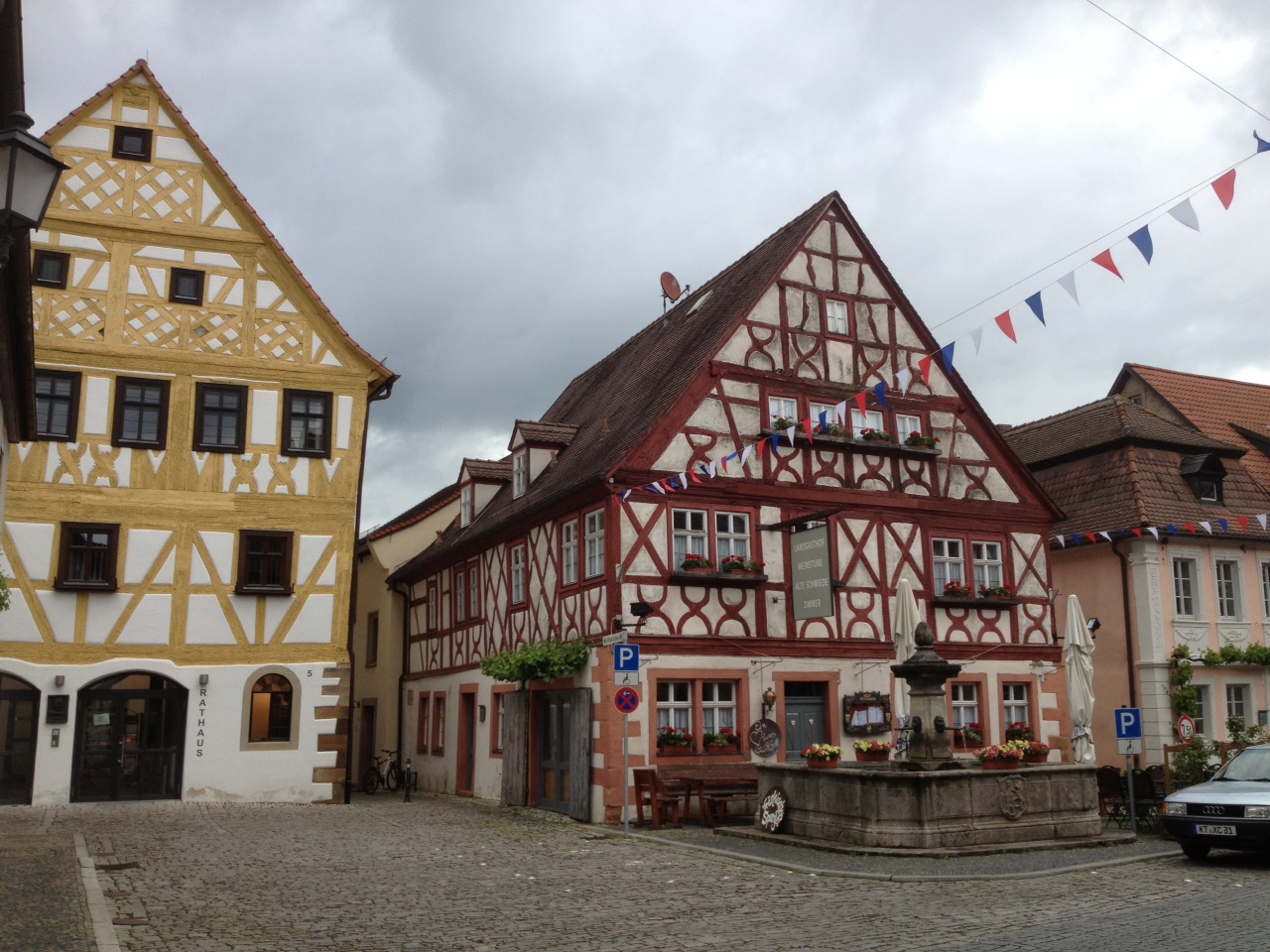
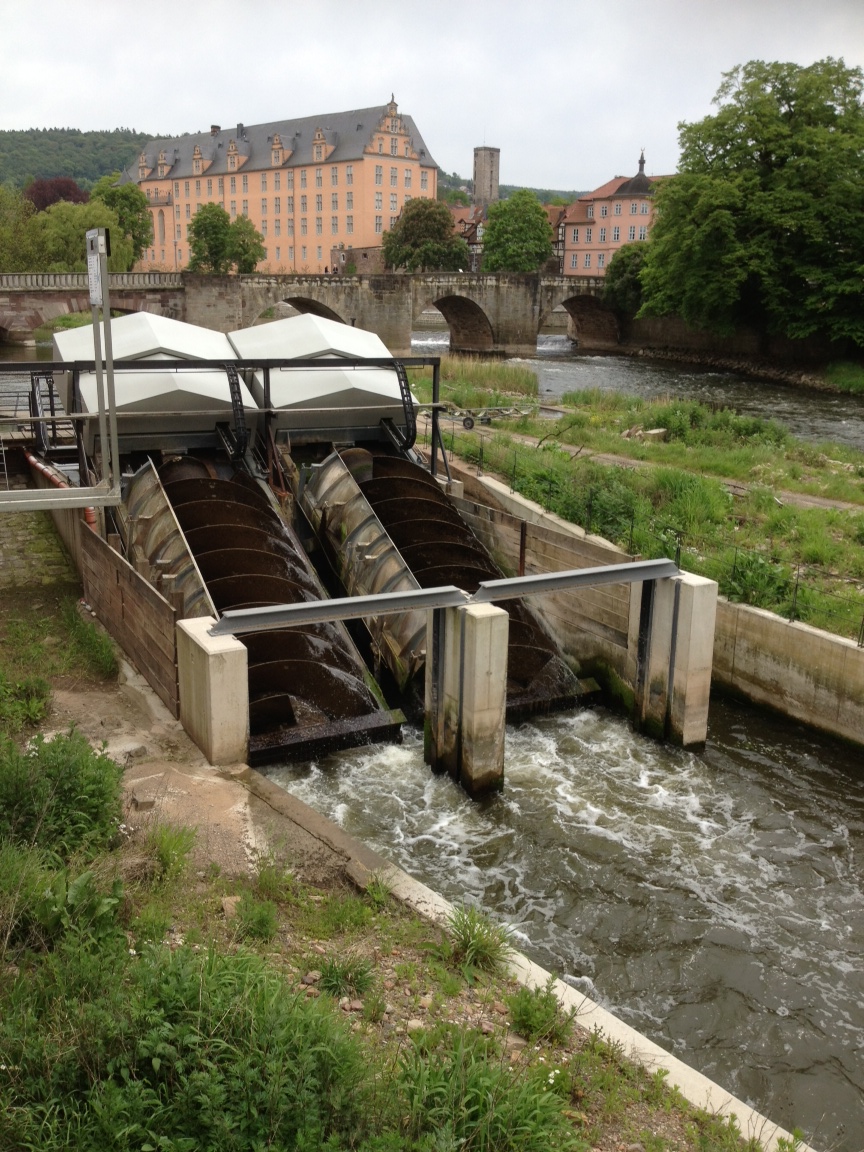
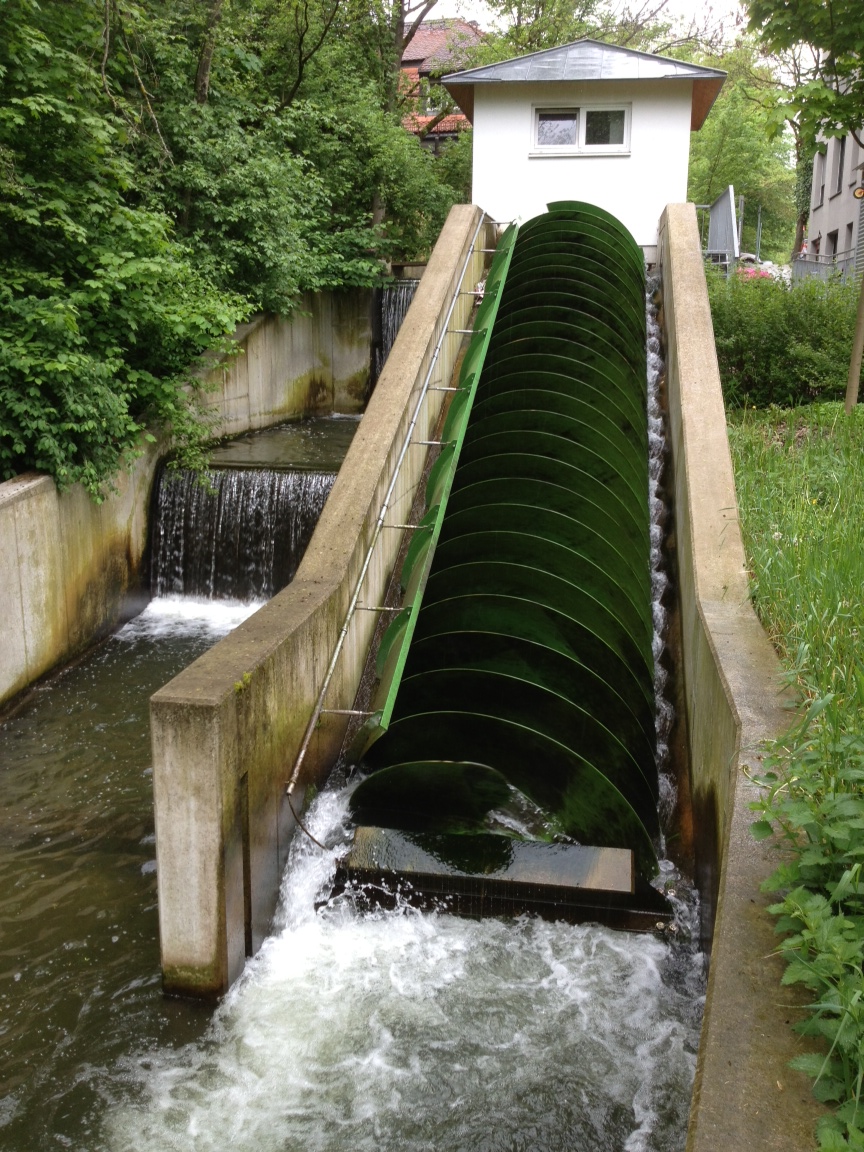
In comparison with most turbines the Archimedean hydropower screw makes use of an open construction and a low rotational speed. This results in a natural flow and there is no pressure build up in the entire installation. Furthermore extensive testing shows that due to the size of water chambers and the fact that there is no pressure difference fish will pass through unharmed. The Landy hydropower screw makes use of a specially designed inlet and outlet that make the screw absolutely fish friendly. The water outlet is designed in such a way for the water (and fish) to smoothly exit the screw without splashing. This also reduces the noise that water creates.
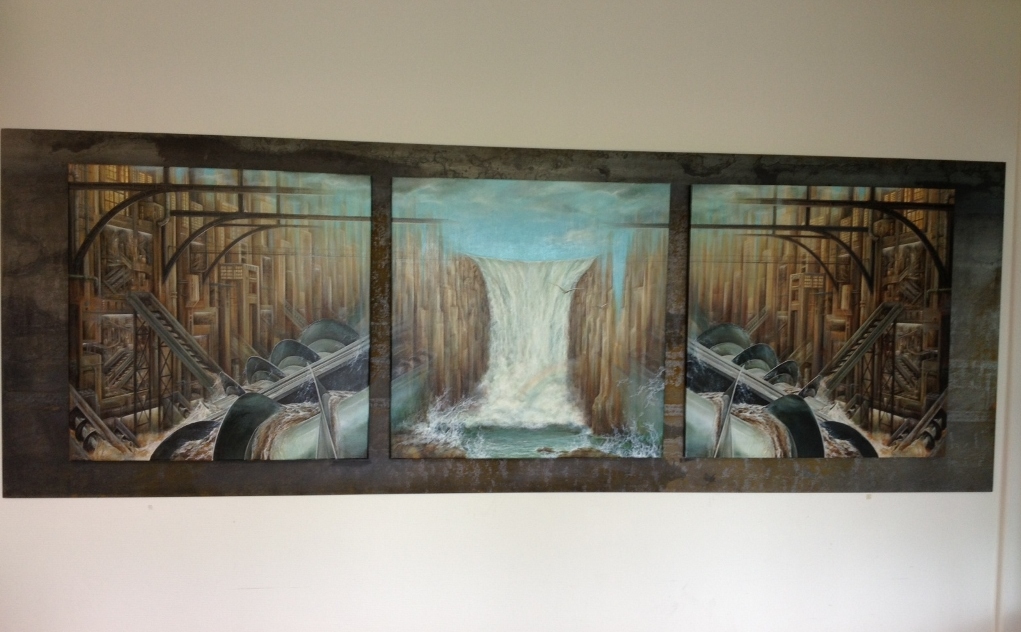
The artwork displayed in the hall of Landustrie by Friesian artist Ymke Meester was commissioned to celebrate the 100th anniversary of Landustrie. It is a triptych depicting an impression of a fictitious industrial environment in which the screw pump and waterpower are central.

We design, install and commission hydropower schemes in both Ireland and the UK.
Mills and Millers of Ireland Summer Event 2014 ~ 14th & 15th June
The Society of Mills and Millers of Ireland was launched in 2001 to encourage and assist in the preservation and appreciation of mills as part of our industrial, architectural and landscape heritage. There are hundreds of mills and mill sites spread across the country and while many are beautifully refurbished or put to good use, there are also many others which could be restored or renovated while preserving their traditional context. The society aims to promote interest and awareness in this aspect of Ireland’s industrial heritage by building up knowledge and expertise in areas such as law, architecture, renewable energy and manufacturing and making information available through publications, lectures and events.
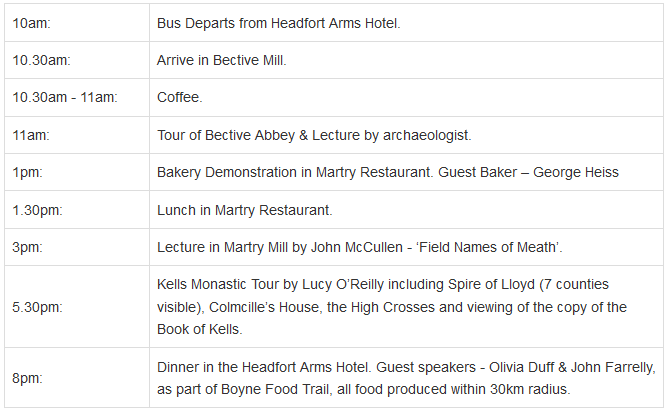
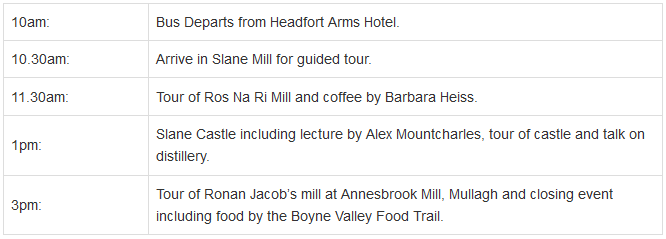
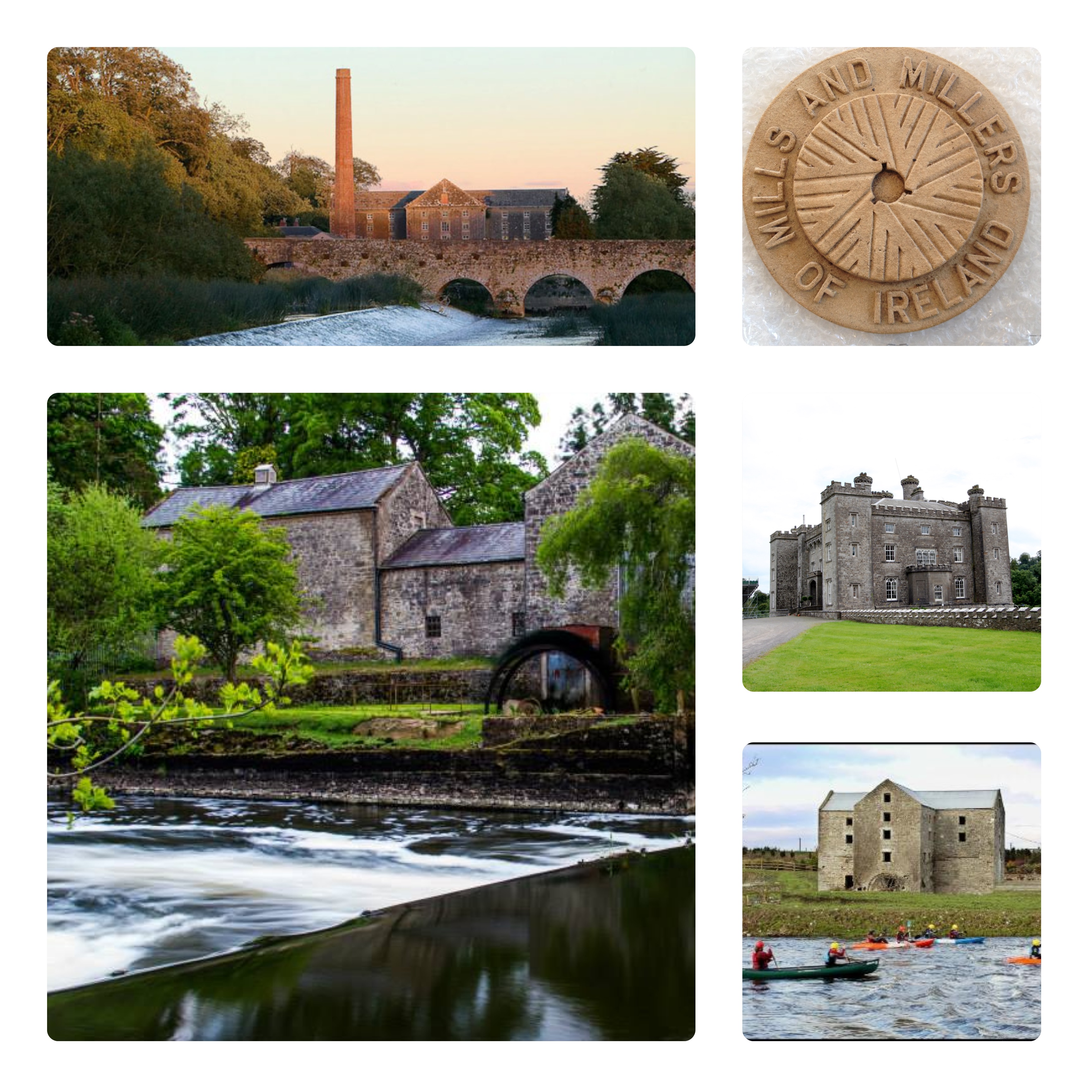 This year’s Summer event is a two day event taking place on the 14th and 15th June in the lovely countryside of County Meath. It’s going to be a very active two days with visits to several local mills, Slane Castle, Kells Monastic tour, lectures, baking demonstration and much, much more. Take a look at the timetable to see the list of interesting events that have been organised.
Saturday 14th June:
 Sunday 15th June:
Cost of the two day event – €35 per person or €25 for one day
Includes: Bus transfers, Saturday lunch, visits, coffees and closing food event at Annesbrook Mill.
Dinner on Saturday evening – €25 per person
To book your place:
(A) Download a booking form and return to: Hon. Treasurer Mr John Delaney Ballingard Road, Roscommon, County Roscommon (Cheques payable to MMOI)
or
(B) Pay for the event using the PayPal secure online payment option button. Please select the number of places and the number of days from the drop down menu.
Telephone enquiries: S. Bourke (087) 9699387

Water saving tips to conserve water
What can households do to conserve water
Water is a precious resource so it makes sense that we conserve as much as possible, wherever possible. Most of us don’t think about water. We all have bad habits when using water. These habits mean that we often use more water than we need and therefore waste it, without thinking of the impact. This is damaging to the environment and can have an effect on our utility bills. Here are some simple water saving tips that can save you hundreds of litres of water per year.
Water saving tips in the Kitchen:
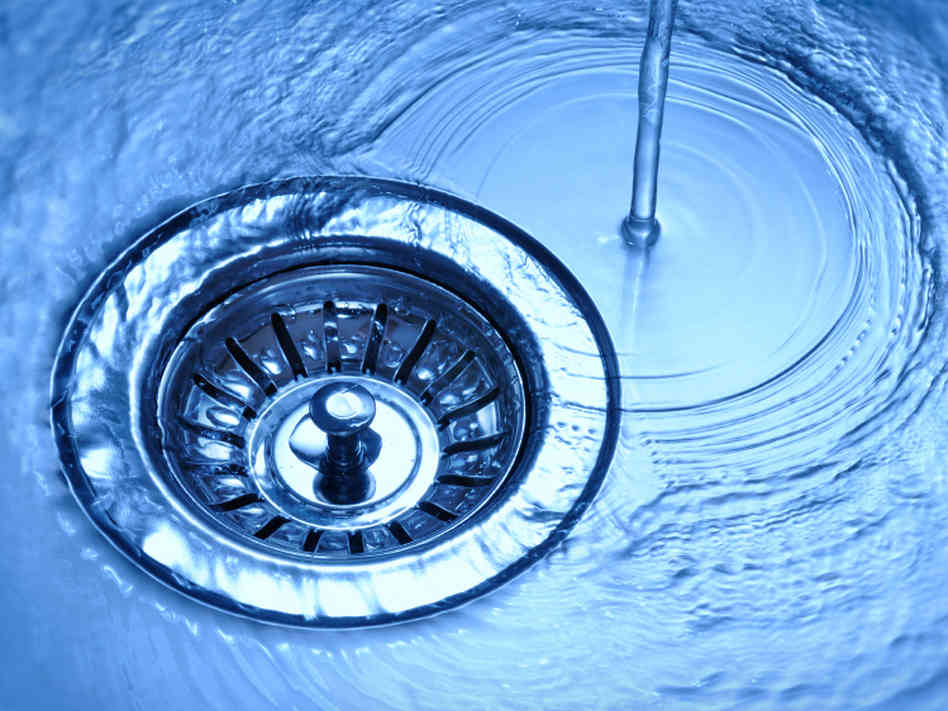
- Don’t leave the tap running when washing vegetables, use a bowl – and rather than throwing this water out use it to water the plants!
- When doing dishes, it’s best to use a water and energy-efficient dishwasher. A dishwasher uses approximately 20 litres. Try to use only your appliances when you have a full load. Today’s models actually save more water than washing dishes by hand. If you decide to hand wash, fill a small bowl with as little water as possible.
- Keep a container of drinking water in the fridge. With cold drinking water on hand, you’ll waste less than you would while waiting for the tap to change temperature for each glass of water.
- When cooking, use only the amount of water required; this reduces the amount of water you’ll waste when straining.
- Fill the kettle with enough for your needs. Don’t boil a full kettle when all you need is one or two cups.
- A typical washing machine on full cycle uses up to 65 litres of water. Before turning on your washing machine make sure it is full to capacity. You’ll conserve water and save money by reducing your energy bill.
- Know how to turn off your water supply. This could save thousands of litres of water and can prevent damage to your home in the event of a pipe burst.
Water saving tips in the Bathroom:
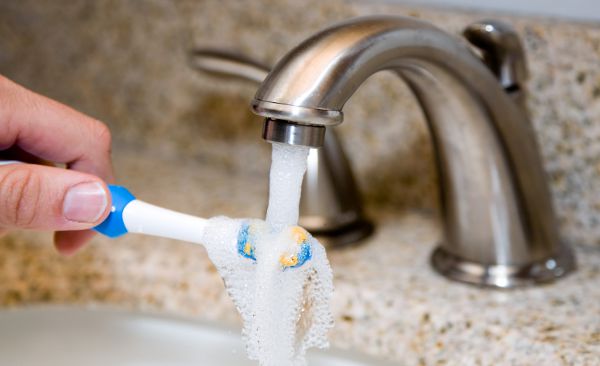
- About 75 percent of the water used in the average home is used in the bathroom. Turning the tap off when brushing your teeth can save over 7,000 litres of water per year. A running tap will dispense up to 6 litres of water a minute.
- Take showers in preference to a bath. A bath uses an average of 80 litres of water whereas the average shower uses only 30 litres. Beware a power shower will use over 125 litres in less than five minutes!
- Flushing the toilet accounts for 30% of household water use. Older models can use up to 20 litres per flush in comparison to the 6 litre flush models currently on the market. Alternatively place a brick or a bottle filled with water in the tank to reduce the volume of water used – take care not to interfere with the flushing mechanism if using this method.
- Fix all leaks and dripping taps – A hot/cold water tap with a constant drip can waste over a 1,000 litres a month!
- Replace the washer on the ball cock in you cistern and storage tank if you notice an overflow of water
Water saving tips in the garden:
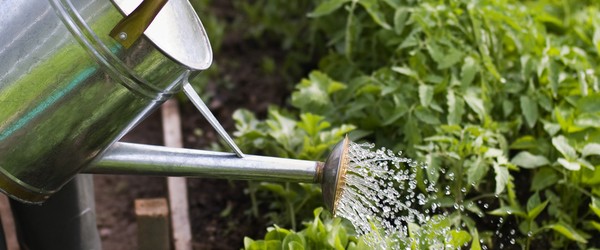
- Collect rainwater in a water butt fed from your gutters but always make sure to securely cover large containers for safety. Rainwater is excellent for your garden. . Some Local Authorities now sell water butts. Or check with your local garden centre
- Always use a bucket and sponge to clean windows or wash your car instead of a hose. A hose uses more water in one hour than the average family uses in a day. The car will be just as clean using a bucket of water!
- Grass can survive for long periods without water and will quickly recover when the next rain showers arrive. Raising lawnmower blades to a higher level will help stop grass from scorching in warm weather. Leaving the clippings on the lawn protects roots and returns nutrients to the soil.
- Don’t use a hose when cleaning paths, patios and driveways. Use a shovel and brush instead.
- If you must water your plants, do it in the early morning or evening when it’s cooler. Forget the hose and always use a watering can fitted with a rose.
- Using mulch such as wood chips, bark or gravel will help prevent water evaporation and will suppress weed growth saving water and the need for weeding. These are especially valuable for shrubs, flowerbeds and new plantings.
- Regularly check your outdoor taps, pipes and plumbing fixtures for leaks.
- Remember established trees and shrubs do not need to be watered!
- Start recycling your green kitchen waste in a compost bin. Compost provides valuable nutrients and helps retain moisture in the soil.
What do you do to save water? Do you have any more tips on saving water in the home and garden?