Climate change – What can we do?

For months now we have been hearing and reading about Climate Change and how it is affecting the world we live in. The seriousness of the affects of Climate Change became very apparent when the Intergovernmental Panel on Climate Change (IPCC) report  was issued.  The UN’s panel of science experts  told us that they are more certain than ever before that humans are causing the climate to change, and that climate change will impact on everything from ecosystems and species to hunger, poverty, development, and global conflict.

Credit: The Raw Story

Carbon emissions have soared in the last decade and are now growing at almost double the previous rate. If we want to stabilise emissions and address climate change we need strong action now. We need to address our reliance on imported fossil fuels along with measures that cut energy waste. Renewable energy alternatives such as wind, hydropower and solar were viewed most favourably by the report. Over the years these renewable energy technologies have reduced in price which have made them more affordable.  We need policy makers to start taking action but we also need to start making simple changes.

“The report is clear: the more you wait, the more it will cost [and] the more difficult it will become,” said EU commissioner Connie Hedegaard. 

The infographic below summarises the findings of the IPCC report and suggests how we can play our part in reducing carbon emissions and reducing the affects of Climate Change. Catastrophic climate change can be averted without sacrificing our living standards. Now, it’s time to embrace the climate solutions!
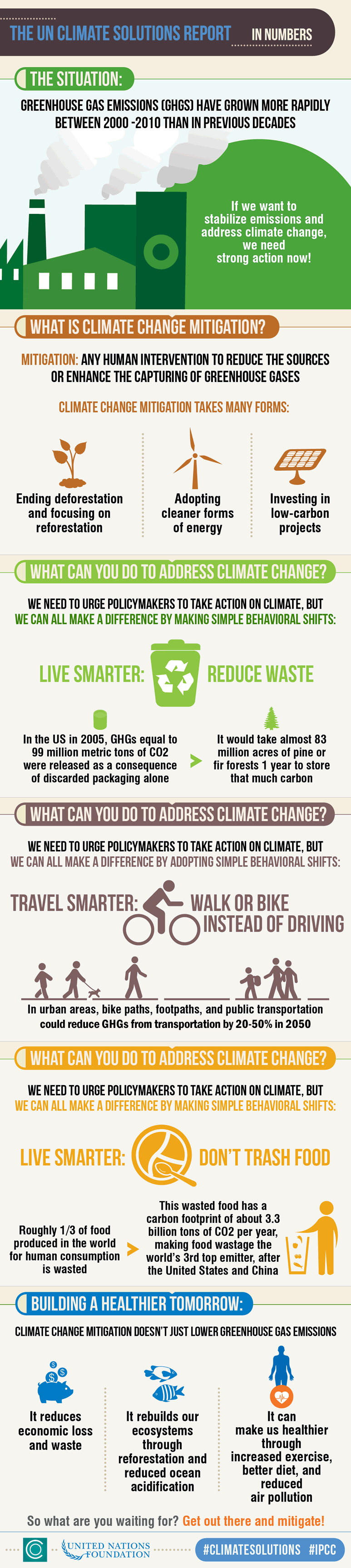
Credit: Climasphere and the United Nations Foundation

Global warming and climate change is a real issue and we must start changing our mindset and behaviour and become more aware of the environment we live in and how we can make a difference. What change will you make today?


Earth Day 2014 – Stand up for the future you deserve!

Earth Day 2014 is the 44th, since its inception in 1970, which was widely viewed as marking the beginning of the contemporary environmental movement.

Every year on April 22, over a billion people in 190 countries take action for Earth Day. Like Earth Days of the past, Earth Day 2014 will focus on the unique environmental challenges of our time. As the world’s population migrates to cities, and as the bleak reality of climate change becomes increasingly clear, the need to create sustainable communities is more important than ever.

Earth Day 2014

Earth Day 2014 will seek to do just that through its global theme: Green Cities. With smart investments in sustainable technology, forward-thinking public policy, and an educated and active public, we can transform our cities and forge a sustainable future. Nothing is more powerful than the collective action of a billion people.

Renewable and Sustainable Energy

As the global organizer behind Earth Day, Earth Day Network creates tools and resources for you to get involved with Earth Day in your community. The environment faces a multitude of challenges today. From climate change to species extinction, our planet and its inhabitants are continually facing man-made threats that must be averted. Lend your voice to a campaign, stand up for the future we deserve and help to work toward a sustainable future.

Earth Day 2014 Greening Cities limited edition poster
Earth Day 2014 Green Cities Campaign limited edition poster

Together we can make a difference!

Source: http://www.earthday.org/

New water wheel turns at Mapledurham watermill

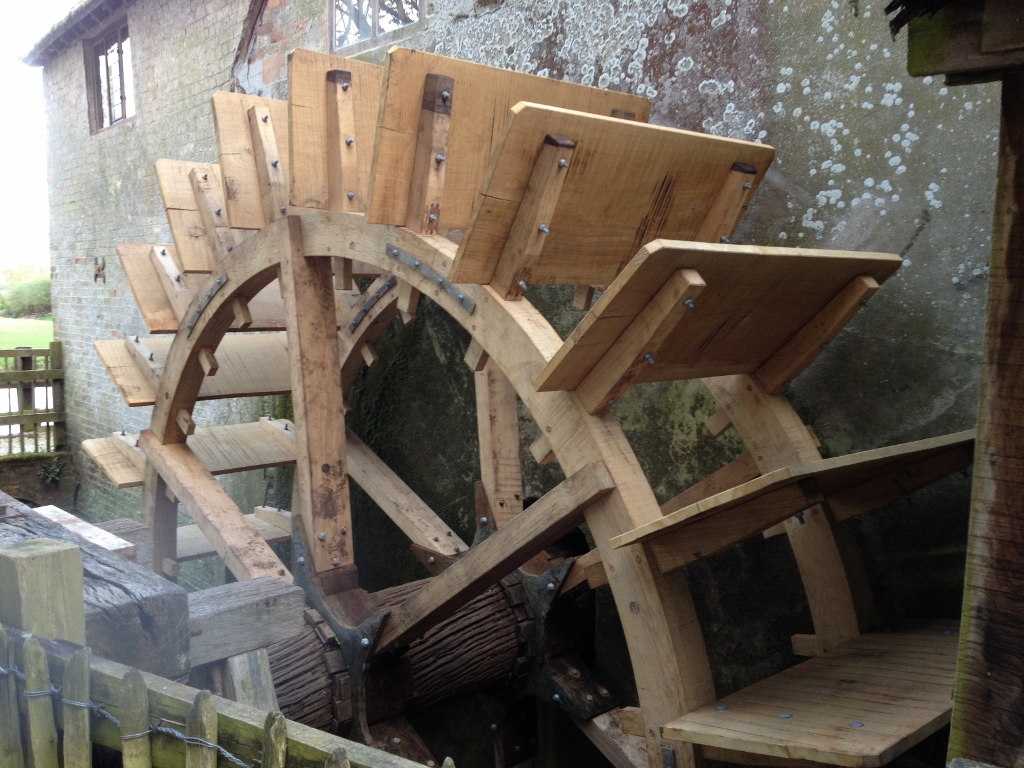
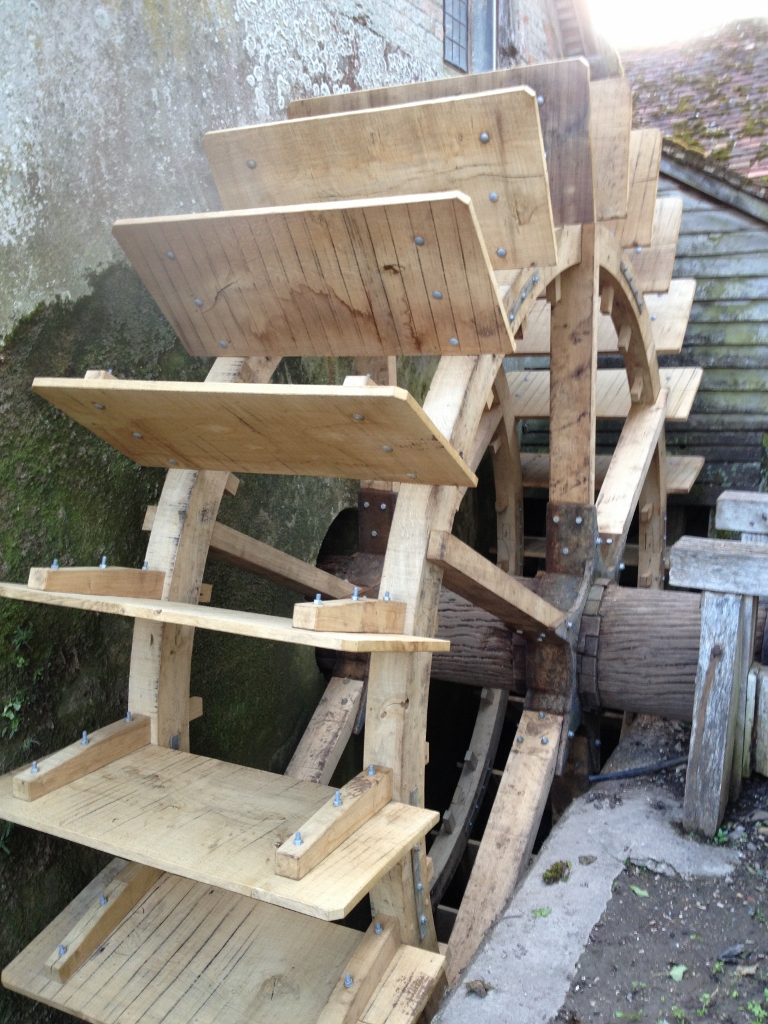
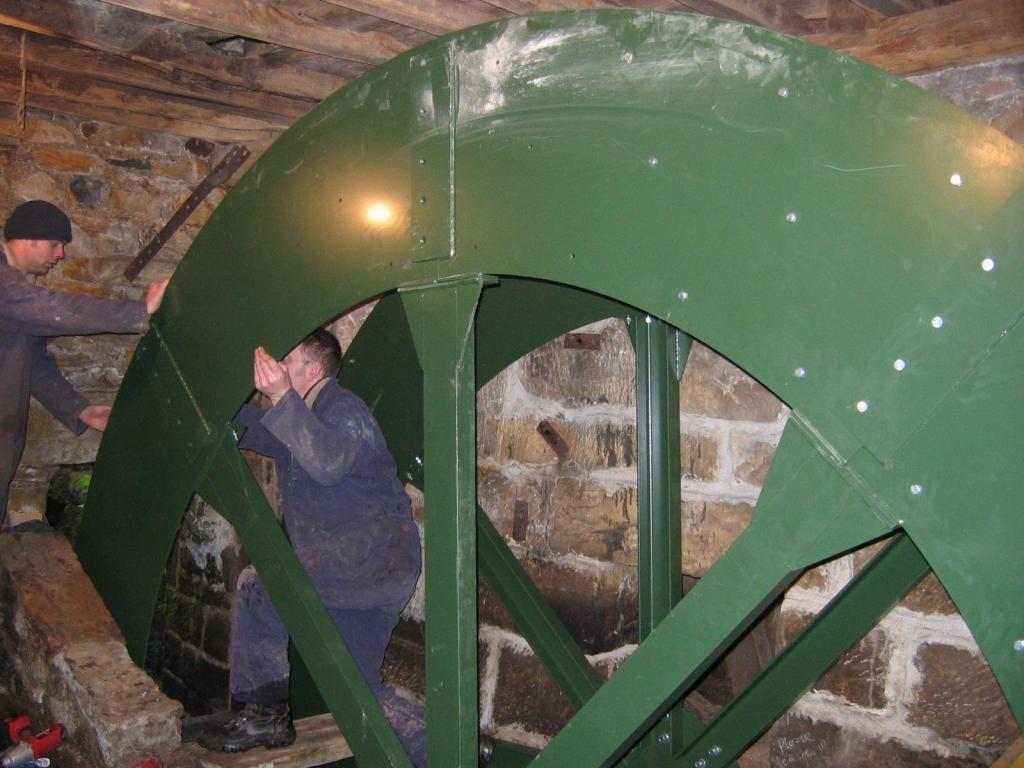
On a previous visit to Mapledurham watermill to do maintenance work on the Archimedean Screw the new water wheel was in construction and it was hoped that it would be installed during the Summer. On our visit this week, and to to our surprise and delight the new water wheel made from locally sourced oak had been installed.

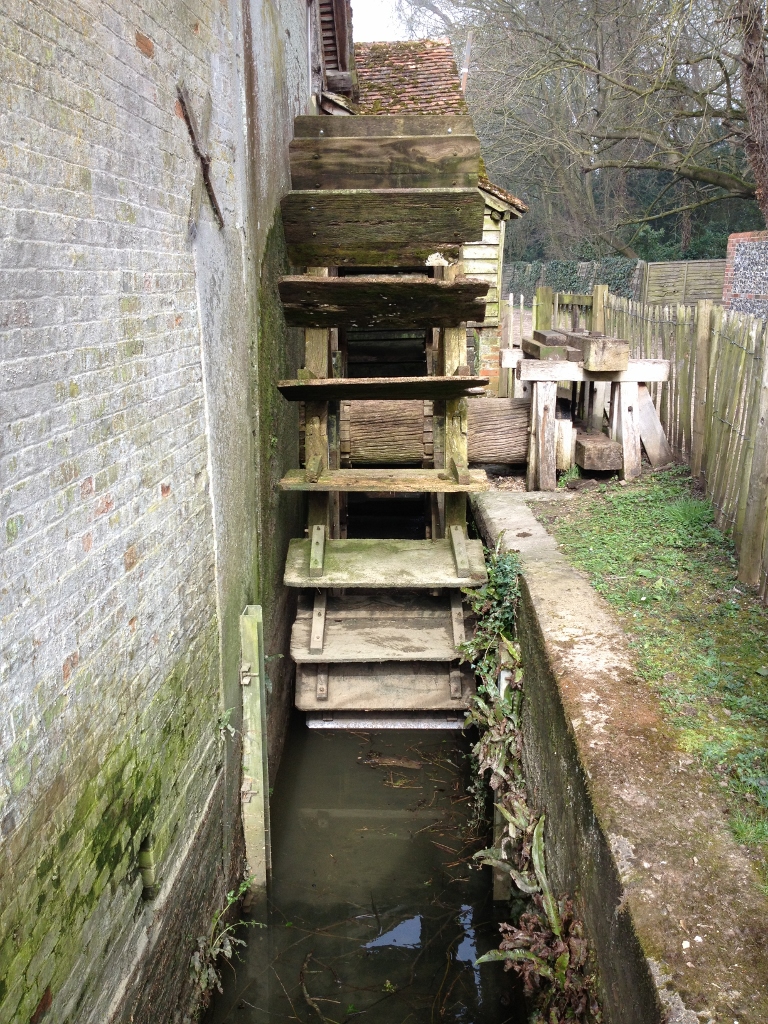
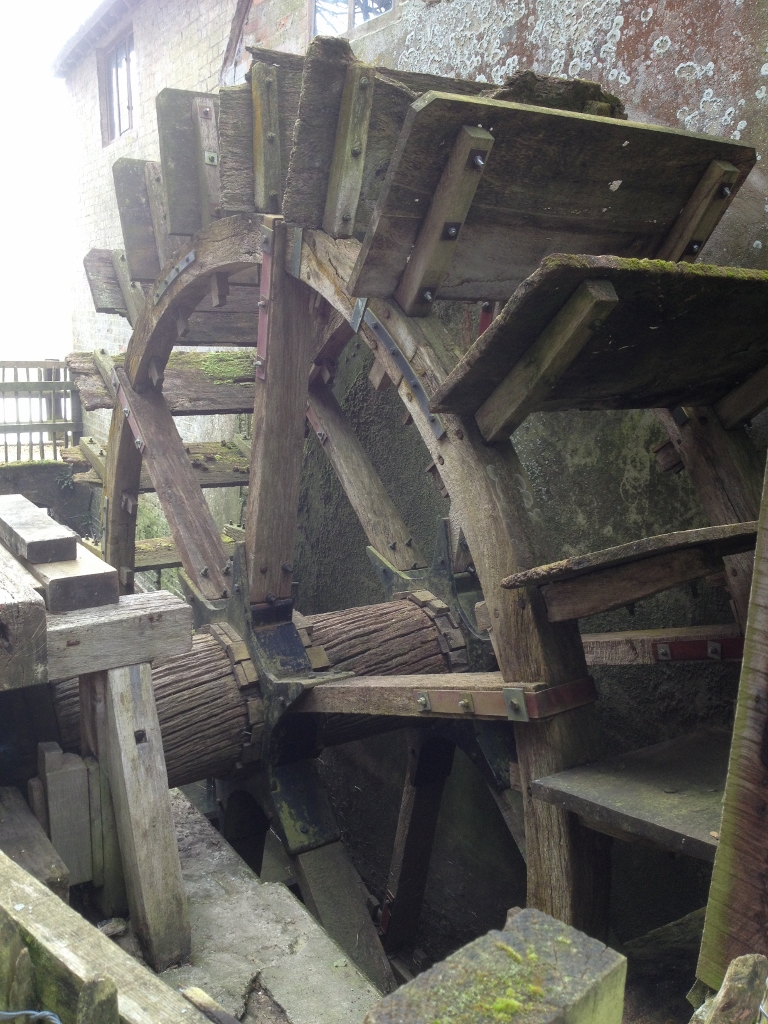
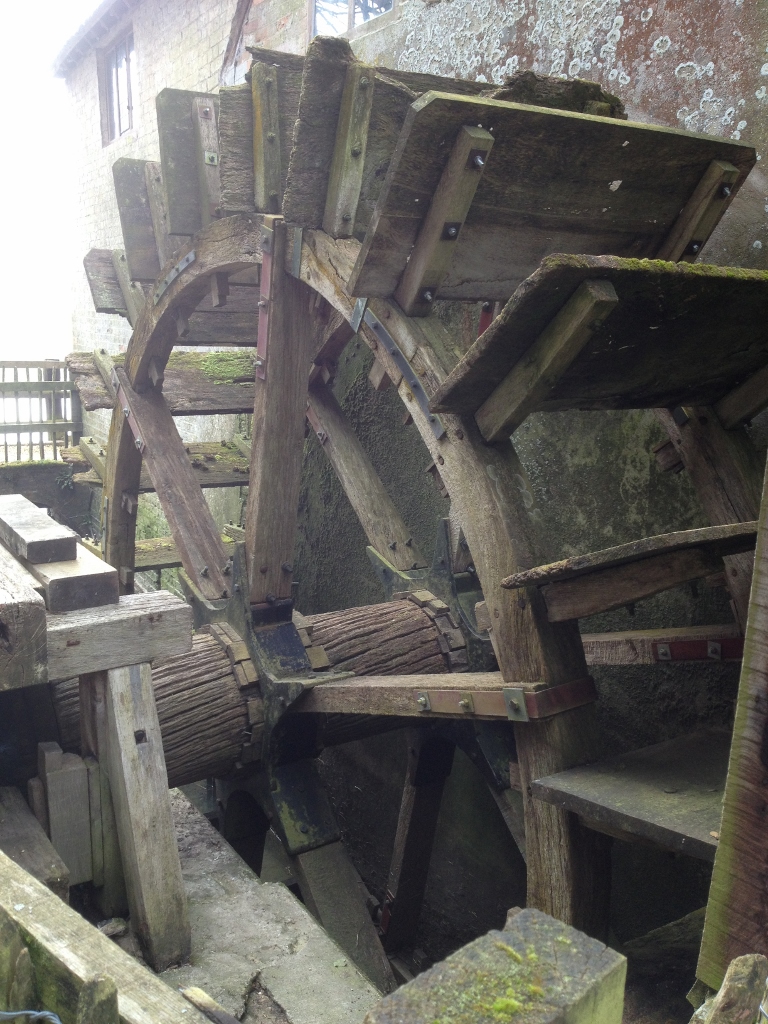
Original wheel installed in 1670

The watermill at Mapledurham is the last working corn and grist watermill on the River Thames and is still producing high-quality stone-ground flour today. The mill produces stone-ground flour using the water wheel that was installed when the mill was increased in size in the 1670’s.  Wholemeal and white flour, bran, semolina and Millers Mix, a blended combination bran and semolina, are all produced at the mill and can be bought locally.

Original working water installed in 1670

Over the years some of the paddles of the existing original wheel were beginning to show their age so these paddles were replaced so as to extend the life of the water wheel and to allow it to continue to grind the flour.

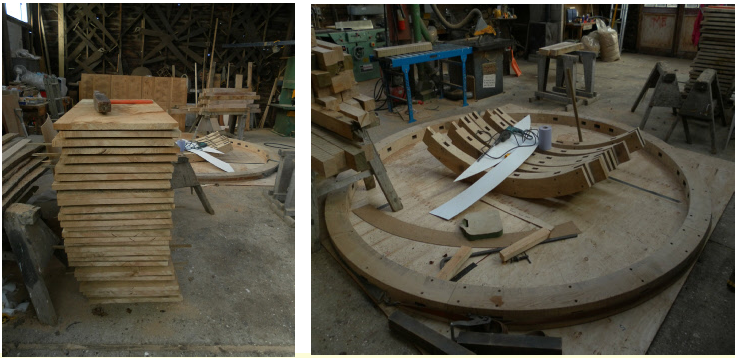
The new oak waterwheel in construction ~ Photo Credit: www.mapledurhamwatermill.co.uk

The main reason for replacing the wheel was because of the appearance of a number of splits in the wheels framework and also many of the joints are showing signs of decay and movement.

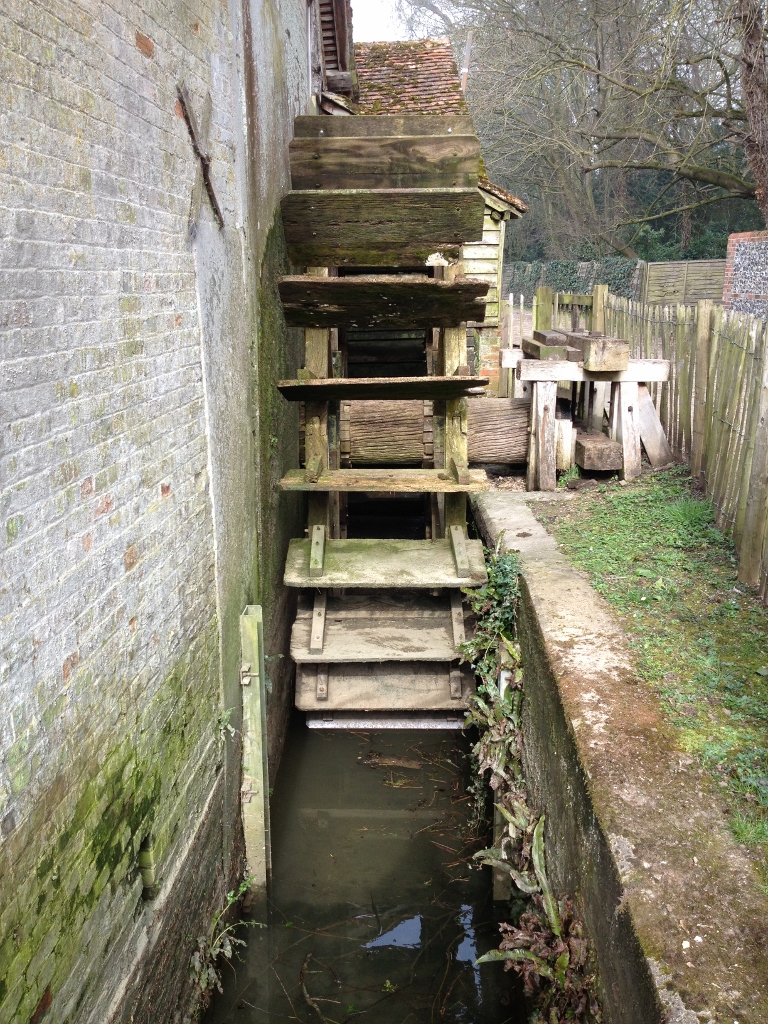
New water wheel insitu
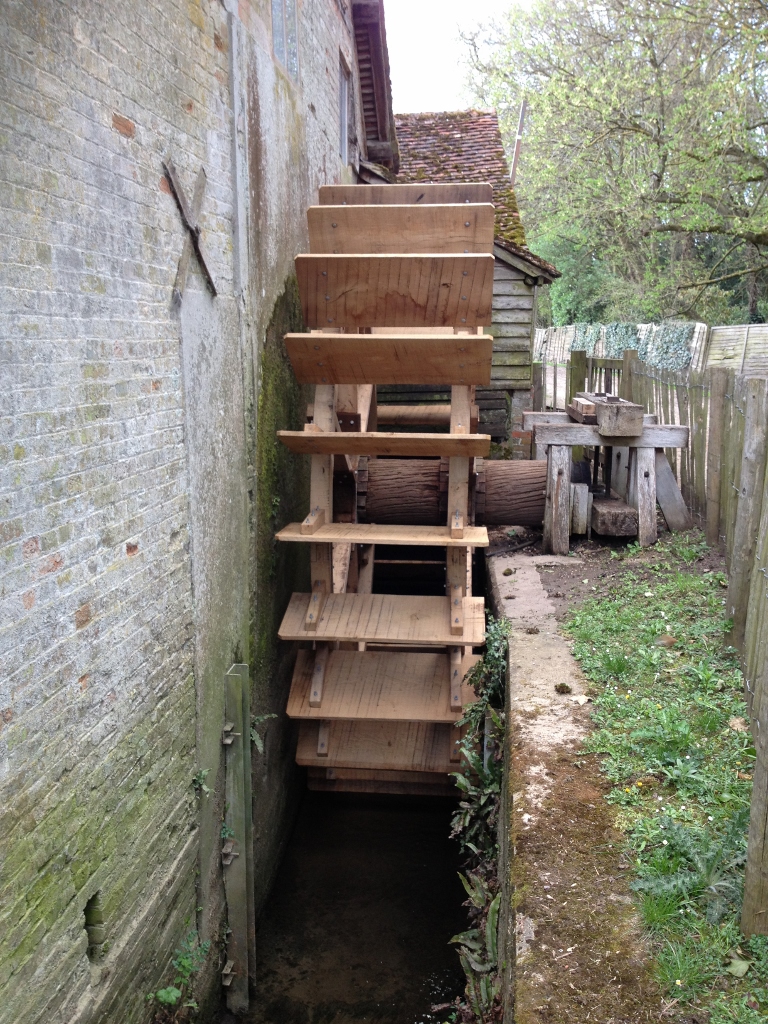
New water wheel installed April 2014

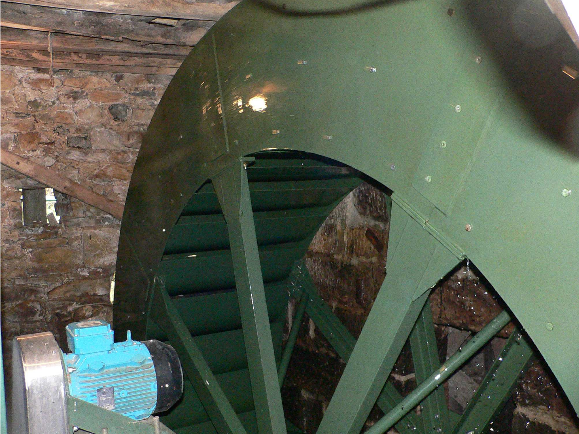
The new water wheel is the exact structural copy of the existing water wheel and is made out of oak which was sourced from the Mapledurham Estate.

New water wheel at Mapledurham
An exact replica of the wheel installed in 1670

Over the years some of the paddles of the existing original wheel were beginning to show their age so these paddles were replaced so as to extend the life of the waterwheel and to allow it to continue to grind the flour. These ‘replacement’ paddles will now be reused to replace the paddles as they become worn on the new wheel which I imagine won’t be for many years to come!

New water wheel at Mapledurham
New water wheel made from locally sourced oak

 If you’re interested in getting an existing water wheel refurbished or own the site of an old mill that has the possibility of reinstating a water wheel and would like more information please contact us here.

Lowna Mill goes ‘green’ and cuts carbon footprint with a giant water wheel!

Lowna  has been in the same family since as far back as 1790 as a farm, mill and a tannery. During the first World War it stopped being used as a tannery and  it reverted to its previous use as a small mill and hill farm where a large water wheel generated the electricity. In 2006 the owners decided to renovate the farmhouse at Lowna to bring it into the 21st Century!  Work was last carried out on the farmhouse in the early 60’s so as you can imagine it was in desperate need of modernisation as it was a lovely old but very cold house, and took a lot of energy to only partially heat it.

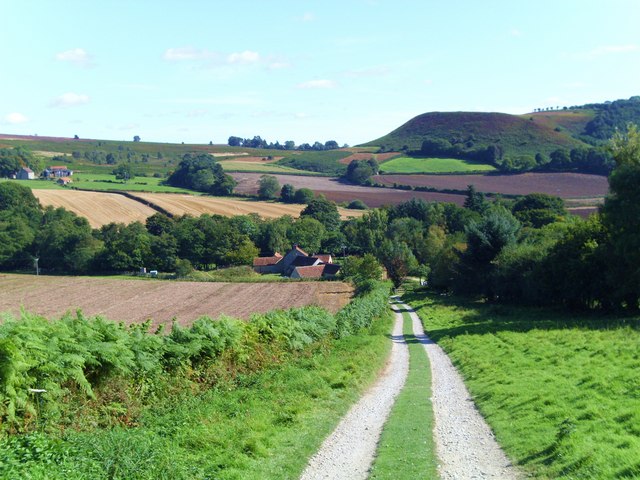
Photo Credit: Track to Lowna Mill-_geograph.org.uk_-_1522504
Track to Lowna Mill ~ Photo Credit: Gordon Hatton www.geograph.org.uk

The old water wheel was used to grind corn, drive machinery and move hides around – even generate its own electricity before the National Grid arrived in 1952. It had always been an ambition to replace the old water wheel which was in place for two hundred years, using  the old infrastructure already in place.

Site of the original waterwheel
Site of the original waterwheel with old infrastructure in place

With grant aid from the North York Moors National Park Sustainable Development Fund a new water wheel generating all the electricity for the farm, farmhouse and two cottages was installed. With an available head of 2m and a capacity of 305l/s the new water wheel was designed and installed by Mannpower Consulting Ltd specialists in hydropower turbines. With a diameter of 4400mm and a maximum output of 2.6kW the annual output is estimated to be 15,968kWh and an annual CO2 saving of 7 tonnes. Excess electricity is sold to the National grid. The water wheel generates the electricity for the two cottages and the farmhouse with excess being sold to the national grid.

Installing the waterwheel ~ Photo Credit: Mannpower Consulting Ltd
Installing the water wheel ~ Photo Credit: Mannpower Consulting Ltd

The  two barn-conversion holiday cottages had been renovated in previous years, with their heat retaining insulation and double glazing, the owners realised that the farm house had to be tackled from the bottom up! Local craftsmen were employed to carry out the work beginning with the demolition of an old extension to the rear of the dwelling. The old stone and a lot of the other existing original materials were reused within the building of the new structure.

New waterwheel installed in the site of the original waterwheel
New water wheel, generator and gearbox installed

Making the building as energy efficient as possible was a priority for the owners. Having spent years in the old structure with soaring energy bills they realised that now was the time to go as ‘green’ as they possibly could. All the new windows were double-glazed and a new plumbing system was installed using an efficient boiler and condensing water cylinder which used much smaller amounts of energy to retain and move hot water around. Dual-flushing toilets that use less water and a new electrical system and low-energy fittings were installed and energy-efficient A-rated electrical appliances were bought.

Both cottages and the farmhouse have had huge investment in energy saving insulation.  At least 60% of the lighting in the farmhouse uses low-energy bulbs and as lamps and fittings are replaced in the cottages they are being converted to low-energy alternatives. All products and services are sourced  locally and there is a policy of encouraging guests to use the local transport or walk and leave their car behind, energy efficiency, recycling and reusing is implemented wherever possible.

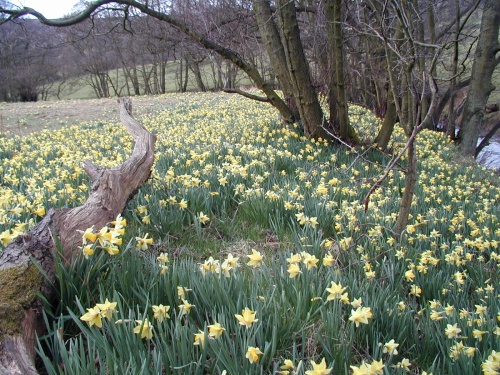
Farndale wild Daffodils, Kirkbymoorside ~ Photo Credit:  Rogeruk ©
Farndale wild Daffodils, Kirkbymoorside ~ Photo Credit: Rogeruk ©

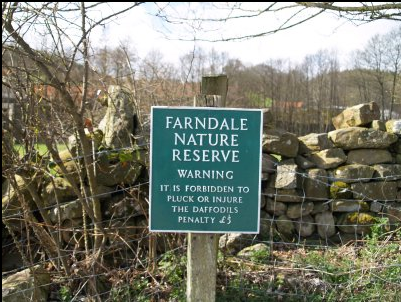
Visitors are encouraged to walk and enjoy the fabulous daffodil walk at Farndale. The beautiful valley of Farndale lies at the heart of the North York Moors. Each spring, its glorious daffodils put on one of nature’s most spectacular shows – a dazzling display of colour that carpets the meadows and river banks along a seven-mile stretch of the River Dove.  The petite wild daffodil (Narcissus pseudonarcissus) is one of the native plants and is protected within the Farndale Local Nature Reserve, established in 1955 to safeguard the valley’s famous flowers.

Lowna Mill

Are you the owner of an old mill or mill site that had or still has an existing water wheel? Would you like to generate your own electricity and live a more sustainable lifestyle? Why wait any longer, contact us today and we’ll help you on the road to a ‘green’ future.
 

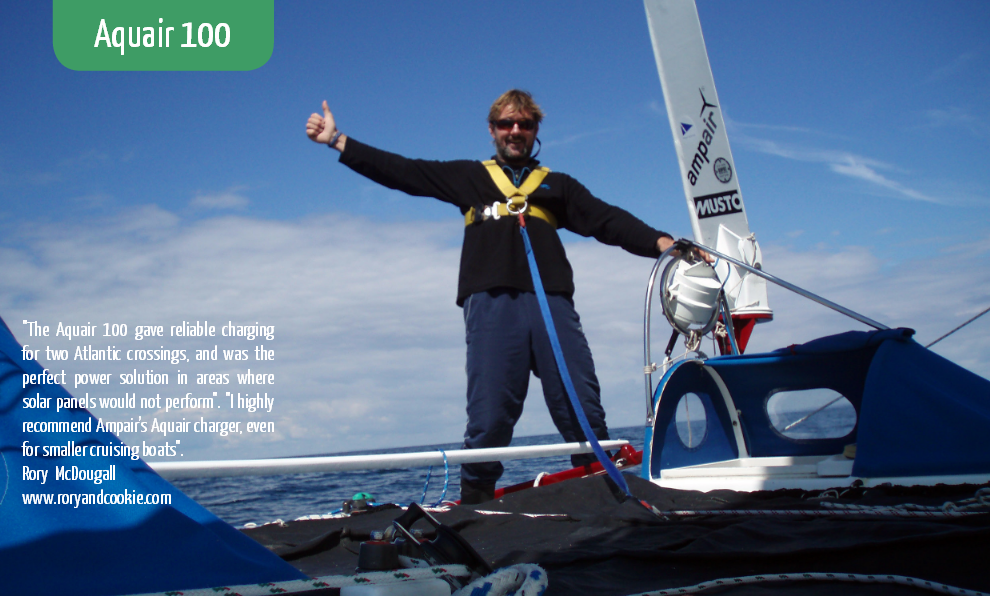
Aquair 100 ~ Hybrid wind & water power for long distance sailing

If you haven’t experienced trailing generators and how they work, now’s the time to try them!

Power generation is always a vexed question on a yacht – how much do you need? How will you generate that need? The modern sailing boat needs power – that is, if you want electronic instruments, computers, autopilots, as well as those items of personal comfort, refrigerators, deep freezes or microwaves.

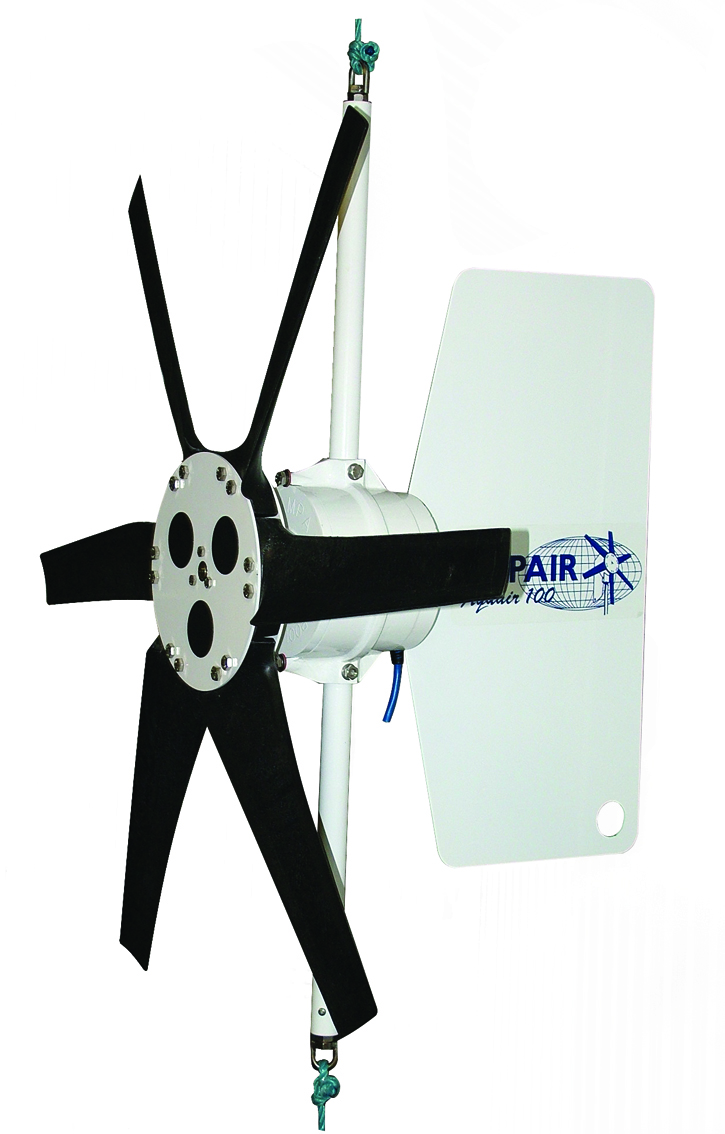
Aquair 100 ~ Photo Credit: Ampair

Starting the engine every day to generate this power is a simple solution, as more systems means more complexity, and that means more stuff to break down or otherwise ‘go wrong’. However, that is not a viable option because fuel today is not only environmentally harmful but also expensive and getting more and more expensive. The wind and the sun are more and more being exploited by governments of the world in an effort to cut the use of depleting reserves of ecologically harmful fuels, and the cruising sailor need to take this ‘on-board’ as well.

The Aquair 100 wind and water turbine, ideal for ocean crossings and long distance sailing

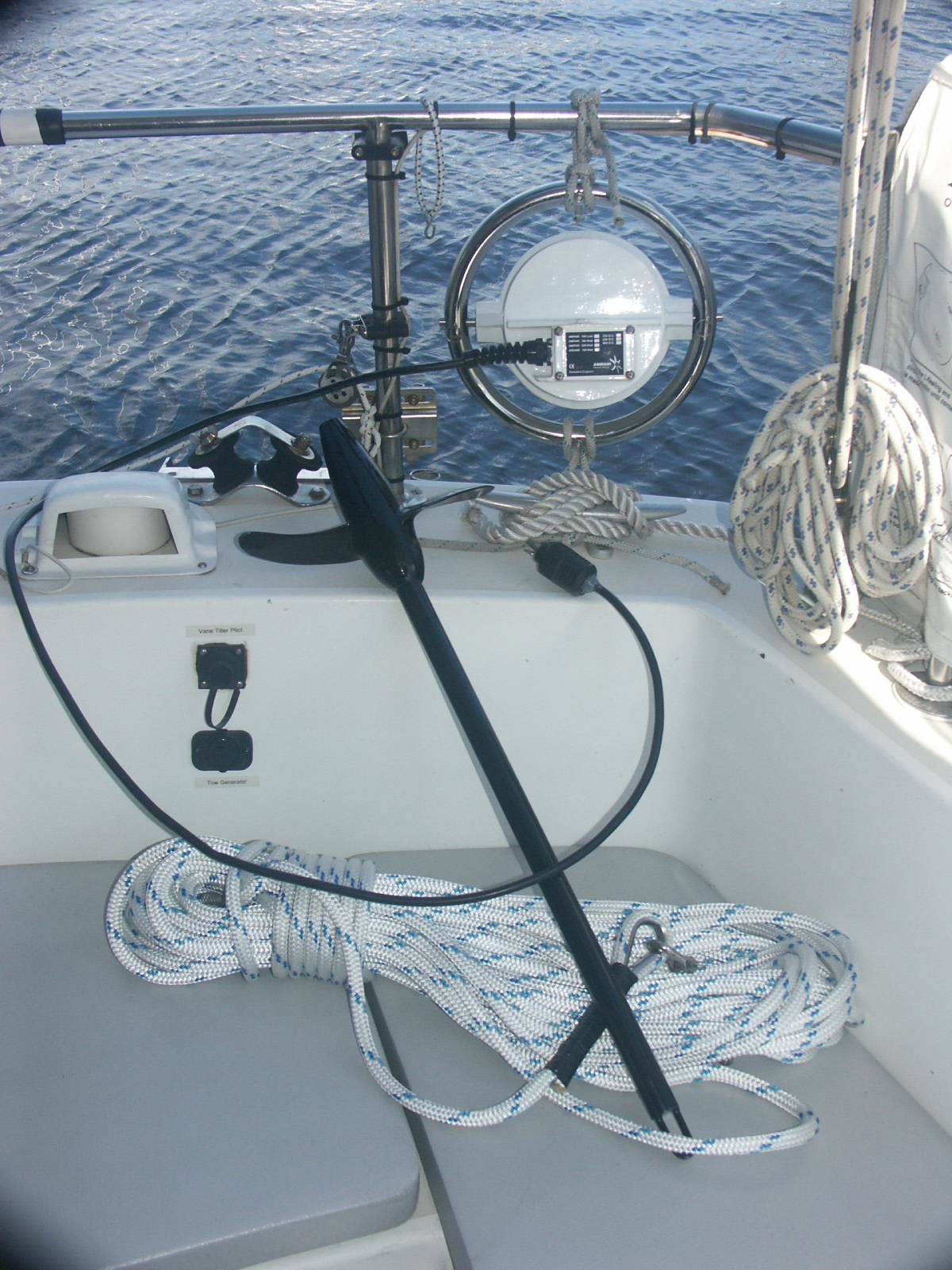
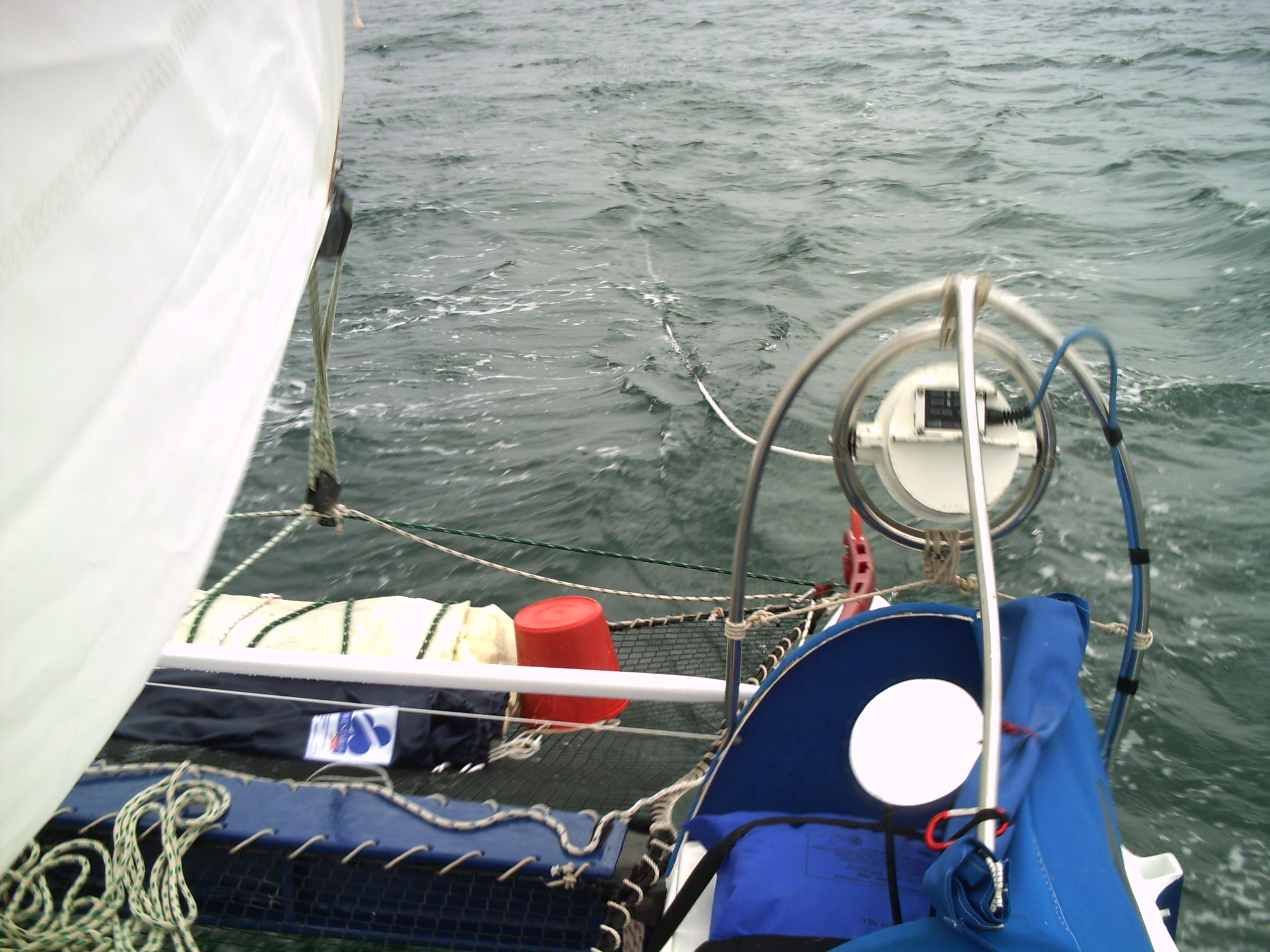
The Aquair 100 water turbine has been designed specifically for charging batteries over long distance crossings and converts to a wind turbine at anchor. It has been reliably powering boats over long distance crossings and at anchor for 35 years. Mounted to the stern of the boat and trailing a towed water turbine on 30 metre line, the unit provides over 6 Amps continuously at 7 knots.

At anchor, the unit can be converted to run as a wind turbine. Unlike their competitors, Ampair have maintained a very small form factor for the Aquair making it the smallest hybrid generator on the market. If you are making an ocean crossing the Aquair 100 is perfectly suited.

Mounted to the stern of the boat and trailing a towed water turbine on 30 metre line

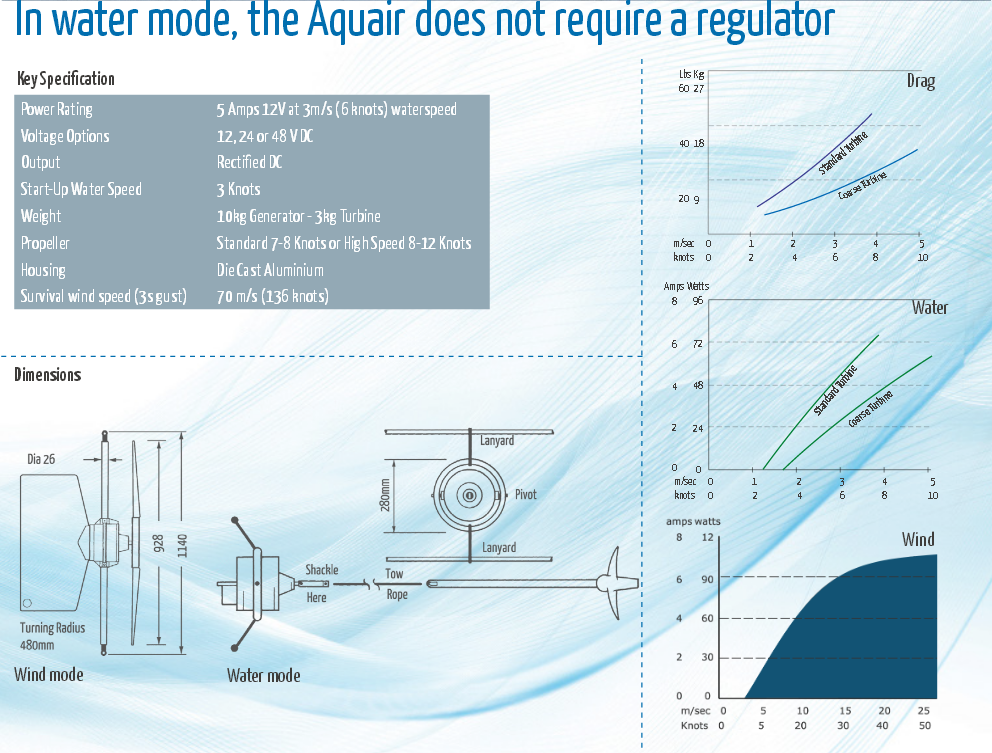
Water Mode – The Aquair 100 is designed for yachts cruising at 4-15 kts. The standard pitch turbine surfaces at 7kts and skips at higher speeds, so a coarse pitch turbine is used on yachts which sail at 8-12 kts. At 7kts the turbines drag is 17 lbs: it will not noticeably slow the yacht . The standard stainless steel gimbal ring mounting provides a simple and automatic alignment method and can be rigged into the push-pit or mounted in the optional frame for boats without a push-pit. The shaft connector is designed to break to save the generator and push pit if the turbine becomes trapped.

Aquair 100

Wind Mode – The Aquair 100 can also be used as a wind turbine when at anchor or in harbour.  Using a “rope only”, hoist-in-the-rigging system (HIR).  A halyard lifts the Aquair 100 away from busy cockpit into clear air. No noise or vibration to worry about!  A pole mount option is available for yachts with stern gantry or similar.  A short pole is welded, clamped etc. to an existing structure.  A single electrical connection then serves wind and water modes.

Advantages – Use of the Aquair 100 greatly reduces the frequency of engine running to recharge service batteries. The turbine generates sufficient power to run an autopilot, maintain navigation equipment or support a fridge. It produces a continuous output of up to 6 Amps at 12 volts. Its permanent magnet alternator with built in rectifiers has no commutator brushes and the windings cannot overheat so it requires no thermal cut-outs or protection.

Regulator – The Aquair 100 can be used without a regulator in water mode as you can just pull in the line if the batteries are charged, if you prefer autonomy and will also use the turbine in wind mode any of the 100 series regulators can be used.

Aquair 100 specifications and dimensions

We are the official Irish distributors and installers of Ampair products. We have been supplying various sailing clubs and the Marine industry throughout Ireland with the Aquair 100. If you would like more information on this or other Ampair products or would like to receive a brochure please contact us here.


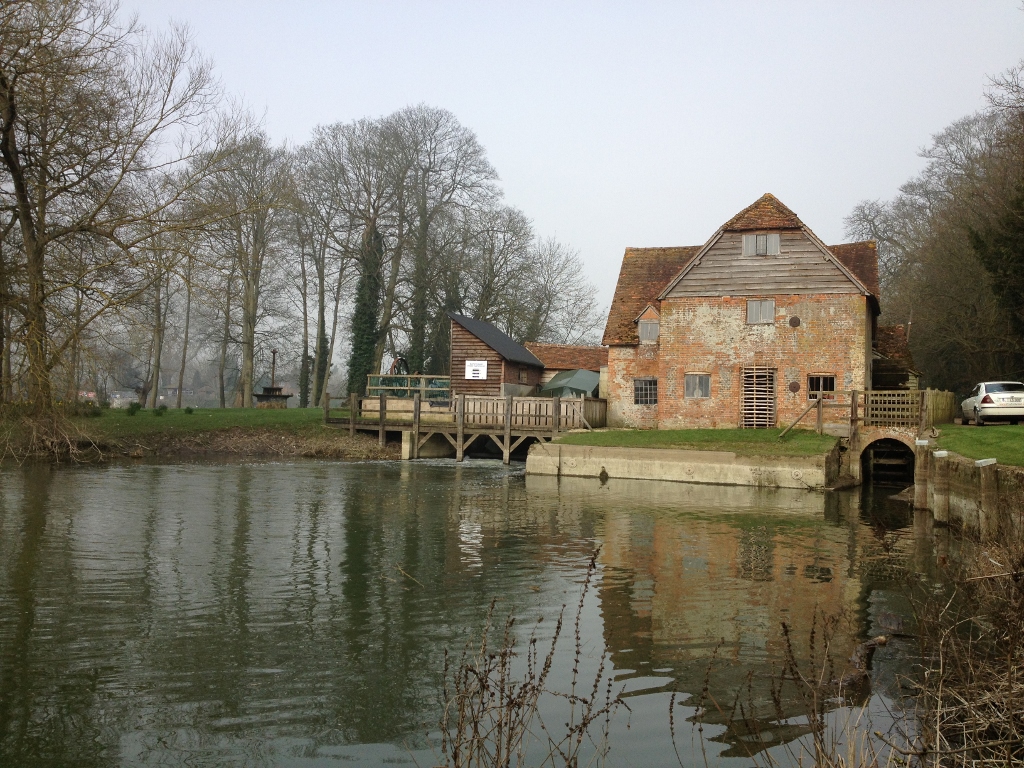
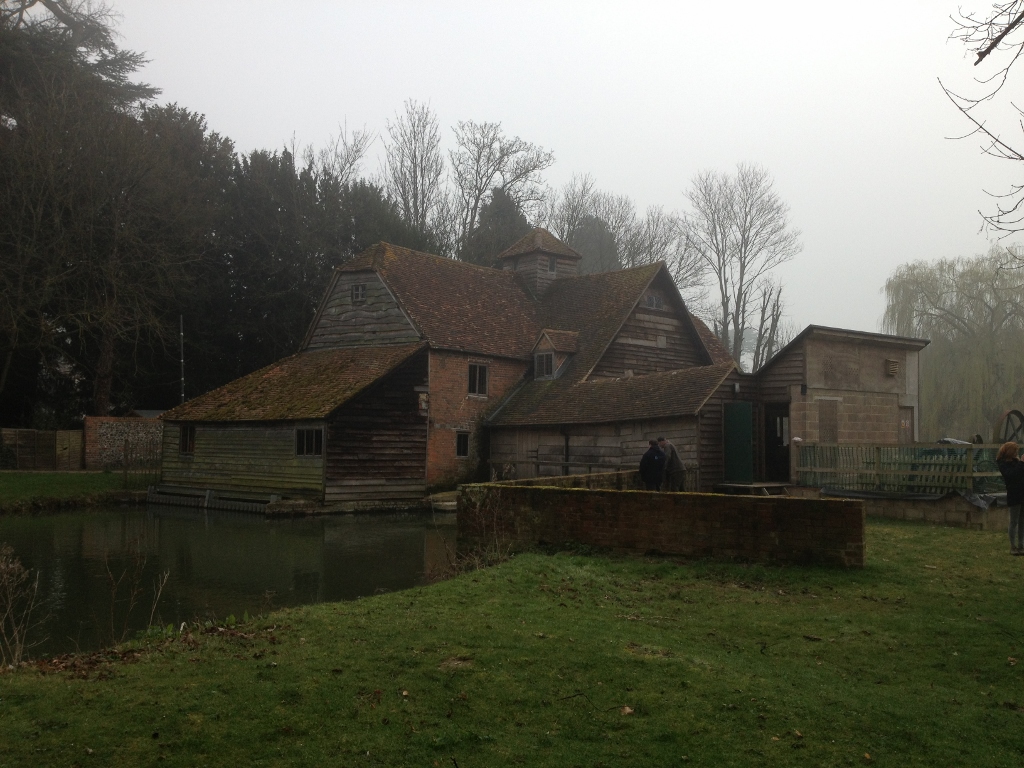
Mapledurham Watermill ~ the last working cornmill on the Thames.

Over the last couple of weeks Frank has been in the UK commissioning various hydropower schemes around the country. During this time he also carried out some maintenance work on the Archimedean Screw Hydro Turbine which was recently installed  at the award winning Mapledurham watermill to generate clean green elcetricity which is being sold to the national grid. The watermill is the last working corn and grist watermill on the River Thames and is still producing high-quality stone-ground flour today.

Mapledurham
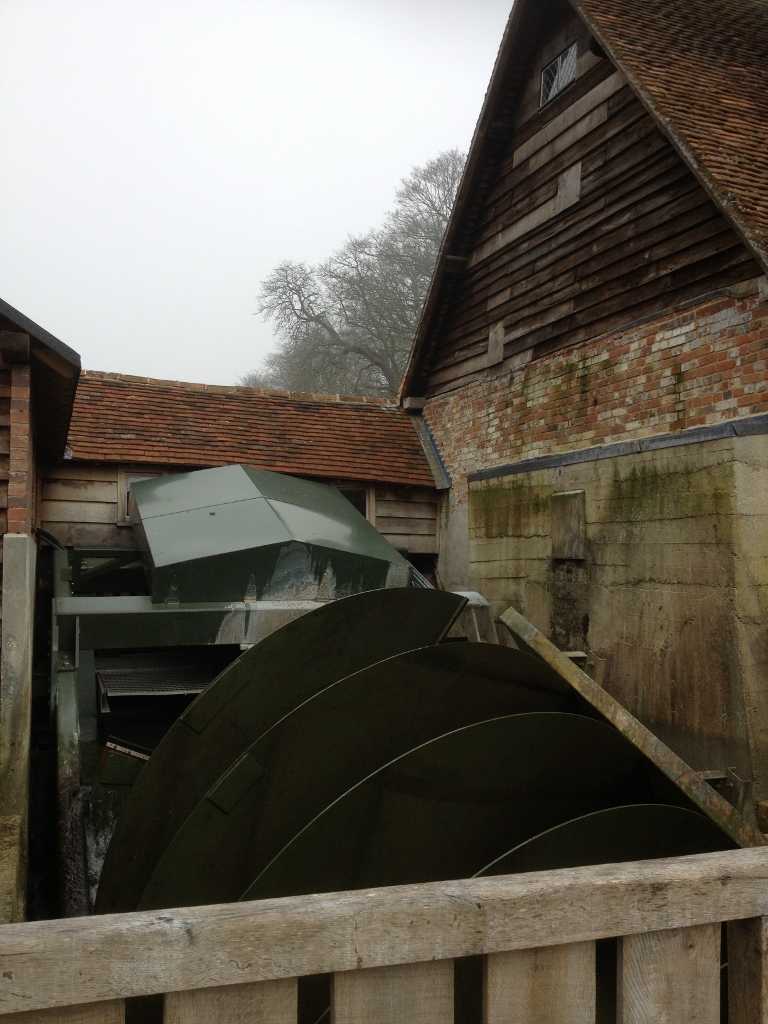
Mapledurham Watermill with working waterwheel and Archimedean Screw

A mill was already situated at Mapledurham at the time of the Domesday Survey. The central section of the current mill building dates back to the 15th century. Originally the mill had a single water wheel, on the river side of the building. The mill was increased in size in the 1670s, and a leat was constructed to drive a second water wheel on the village side. It is this second wheel which is still in use today. At its busiest it employed five people, and the miller was prosperous enough to rent the finest house in the village street.

Mapledurham Watermill - last working watermill

In 1690 the mill was leased to James Web for the sum of £60 per year. Around 1700 he expanded the mill again, to allow him to install the equipment to produce the refined flour that was becoming popular. His son Daniel Webb took over from him in 1726 at a rent of £100. Thomas Atrum took over the mill at a rent of £150 p.a. in 1747, which was raised to £205 in 1776. In 1777 a barn was added on the mill island, and a wharf built to allow the mill to supply flour to the London market by barge. However by 1784 Thomas Atrum was bankrupt.

Mapledurham watermill

Mapledurham WatermillThe mill continued to flourish, and as late as 1823 plans were drawn up to rebuild the mill in classical style. The advent of cheap imported flour from North America damaged the mill’s prosperity, but it remained in use until just after the Second World War. It was restored and brought back into use in 1980.

Waterwheel
Original Waterwheel at Mapledurham watermill built in 1670
Built in 1670 the waterwheel at Mapledurham watermill still grinds flour today

Over the years some of the paddles of the existing original wheel were beginning to show their age so these paddles were replaced so as to extend the life of the waterwheel and to allow it to continue to grind the flour. A new waterwheel is currently under construction and it is hoped that it will be installed during the Summer. The main reason for replacing the wheel is the appearance of a number of splits in the wheels framework and also many of the joints are showing signs of decay and movement. The wheel will be as exact structural copy of the existing one and will be made out of oak which has been sourced from the Mapledurham Estate.

The new oak waterwheel in construction ~ Photo Credit: www.mapledurhamwatermill.co.uk

An Archimedean Screw hydro turbine was designed and installed in 2011 to replace the original turbine that had fallen into disrepair.   The 7.27 m Open Compact Archimedean Screw has a capacity of 5,000l/s and a predicted output of 99.95kW. It is estimated that it will save 221 tonnes of CO2 per annum. Over the course of a year, the screw will produce approximately 500,000kWh of renewable electricity which is being bought by Marks and Spencer via the national grid. The electricity generated is sufficient to power one of its stores.

Archimedean Screw
Archimedean Screw

The mill produces stone-ground flour using a waterwheel. Wholemeal and white flour, bran, semolina and Millers Mix, a blended combination bran and semolina, are all produced at the mill. The Mapledurham estate also produces milk for Marks and Spencer. When the sale of the electricity has covered the cost of the turbine, the profits will go towards renovating the mill and its outbuildings to how it was 200 years ago.

Mapledurham Watermill
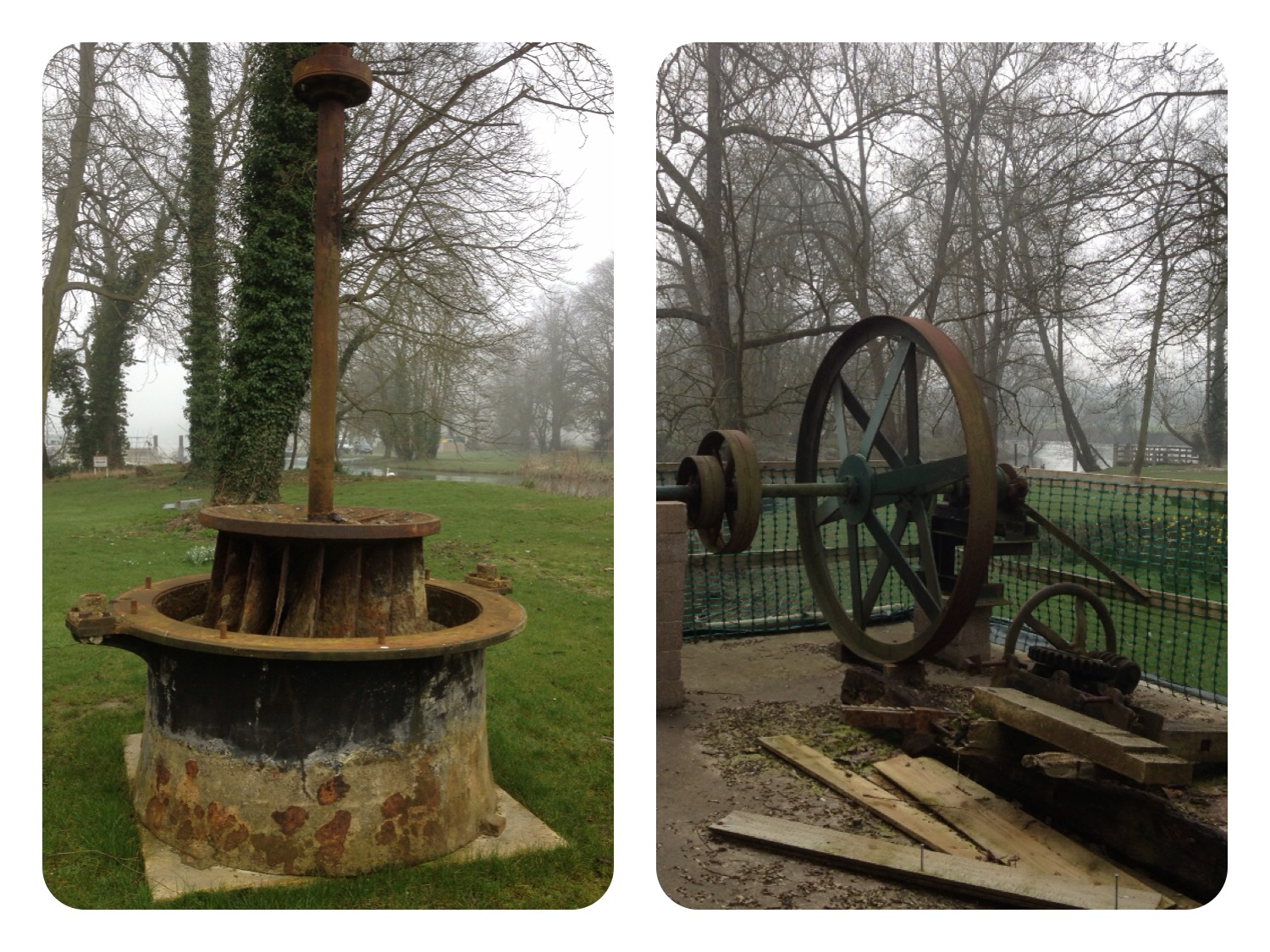
Parts of the original machinery from the watermill

On our return visit to the watermill this week we were delighted and surprised to see that the new wheel had been installed.

The mill is located in the grounds of Mapledurham House, and like the house is open to visitors on weekends and bank holiday afternoons from April to September. The water mill is normally working on opening days, and visitors can visit both main floors of the mill, and see  its operation.

The watermill is perhaps best known for its starring role in the 1976 film, The Eagle Has Landed, where the mill leat is the scene of the dramatic rescue of a local girl by a German paratrooper that results in the unmasking and ultimate failure of the raid. It is also the backdrop in the image on the cover of Black Sabbath (album), by the band of the same name.

 If you’re interested in getting an existing water wheel refurbished or own the site of an old mill that has the possibility of reinstating a water wheel and would like more information please contact us here.


Archimedes arrives at Osney Lock!

Osney Lock Hydro is the first community-owned hydro scheme to be built on the Thames.

Constructing a community-owned hydro scheme at Osney Lock has been a dream for local residents for over thirteen years. It started in 2001 with a survey of  Osney Island residents that revealed a shared concern about climate change and a desire to harness the power of the river that ran around the island to generate green electricity. A small island next to Osney Lock was identified as the best site for the hydro scheme. The island is owned by the Environment Agency so they were approached about the possibility of leasing the site. It was discovered that work was to begin on the weir in 2013 so the pressure was on for the residents to draw up plans for the Archimedean Screw and secure planning permission and then most importantly secure funding for the project.

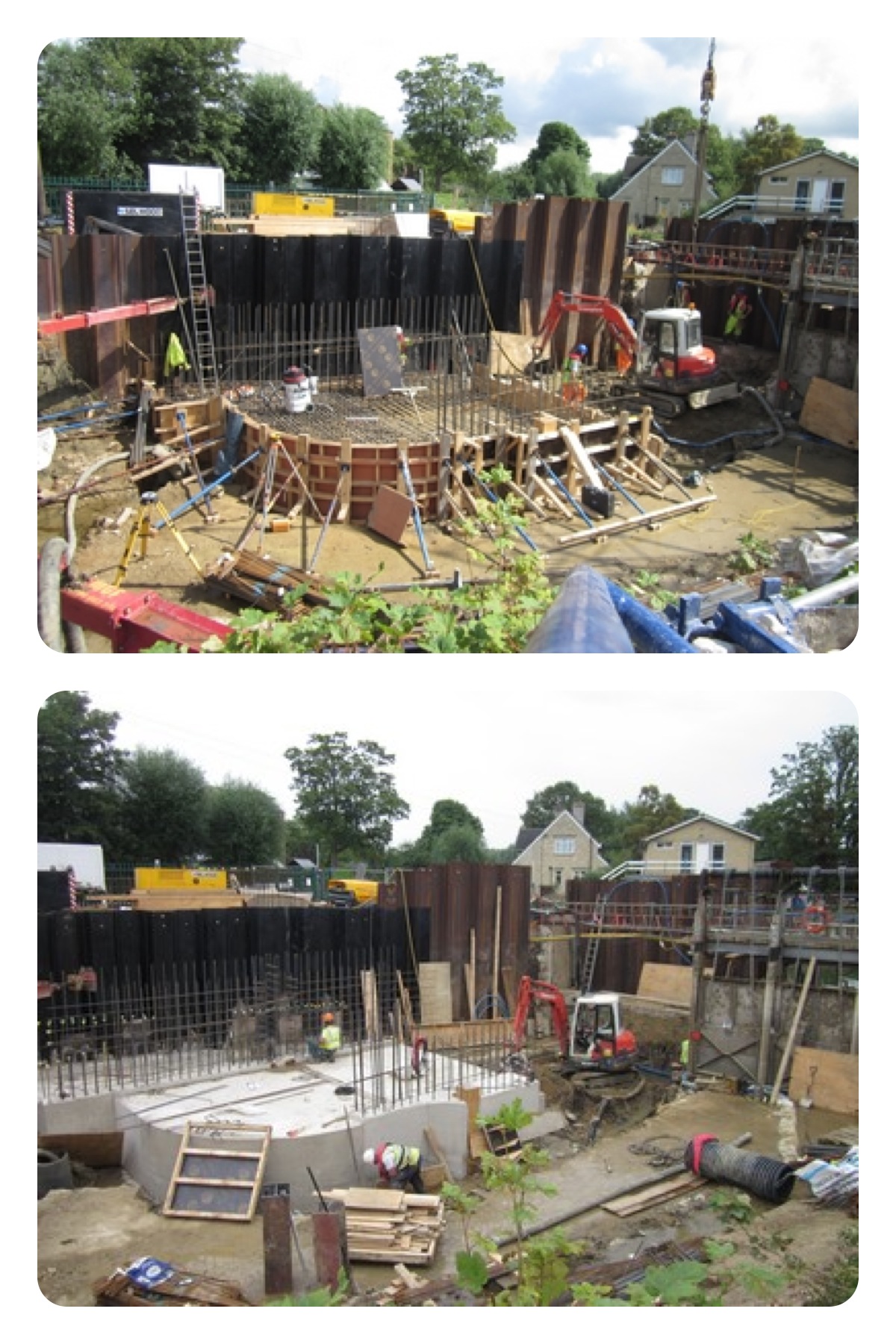
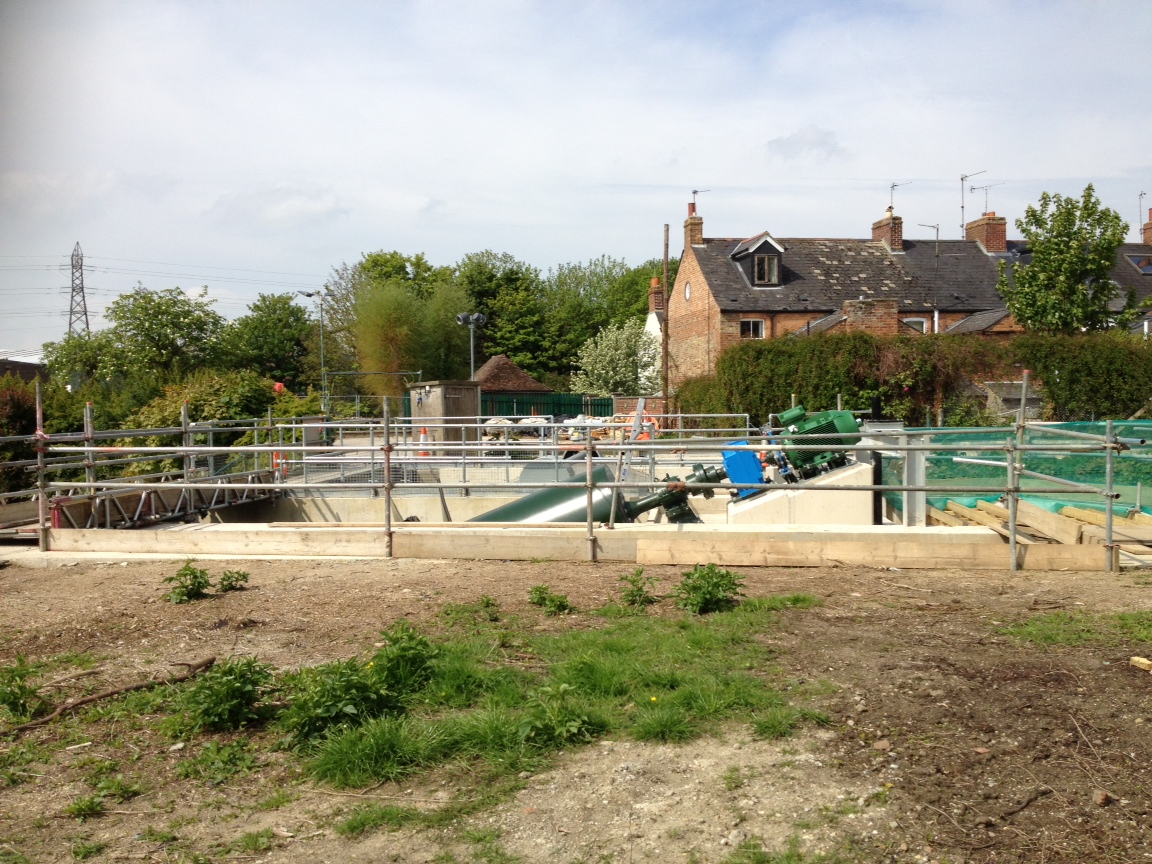
Construction work prior to installation

There was extraordinary support shown by local people towards the project. The Osney Lock Hydro share offer raised over £500,000 in just four weeks. Without this swift and significant support the project would not have been able to go ahead. Over 40% of the investment came from within a mile of the project and 4 out of 5 investors live in Oxfordshire.

Osney Lock hydro installation
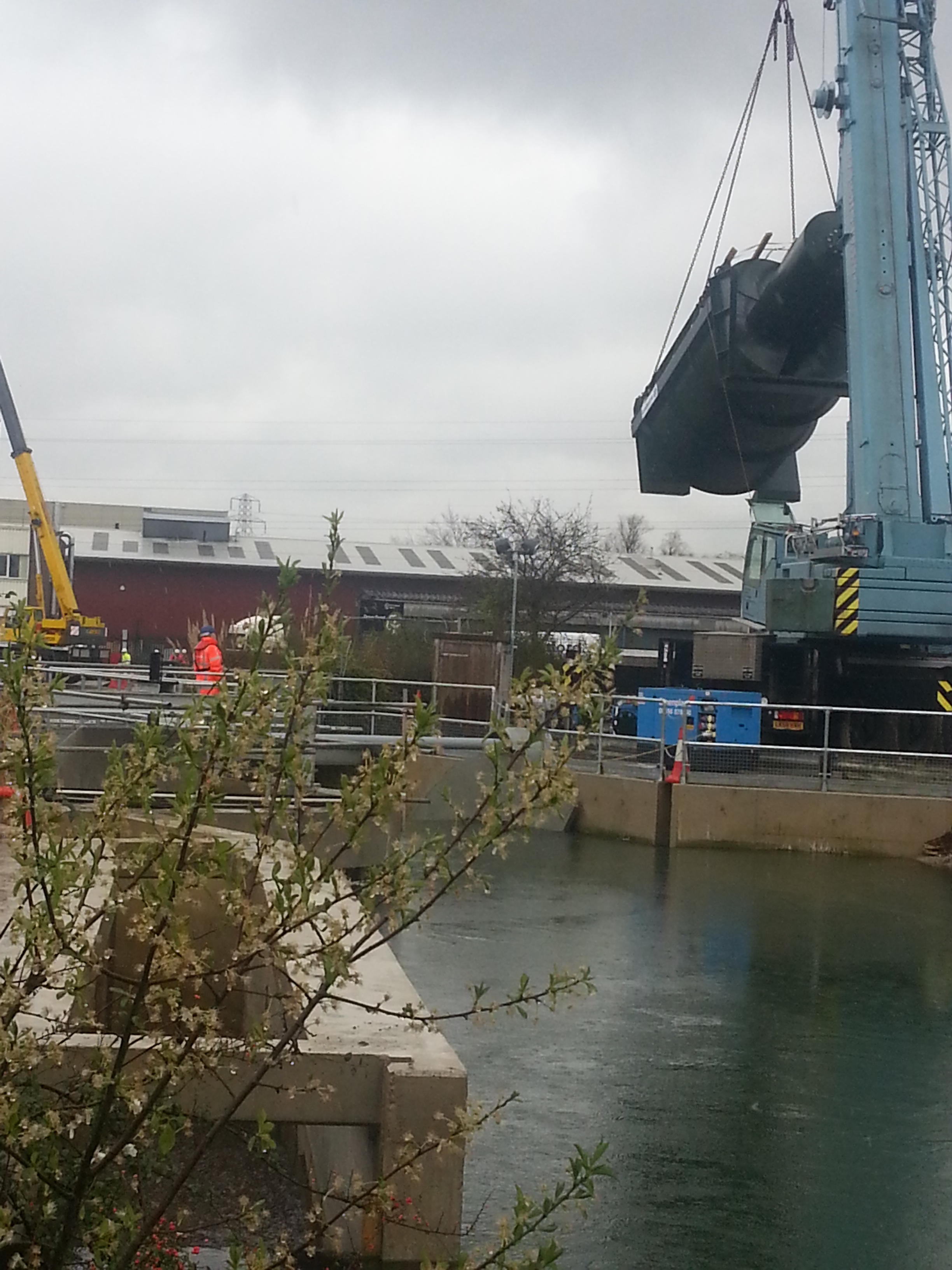
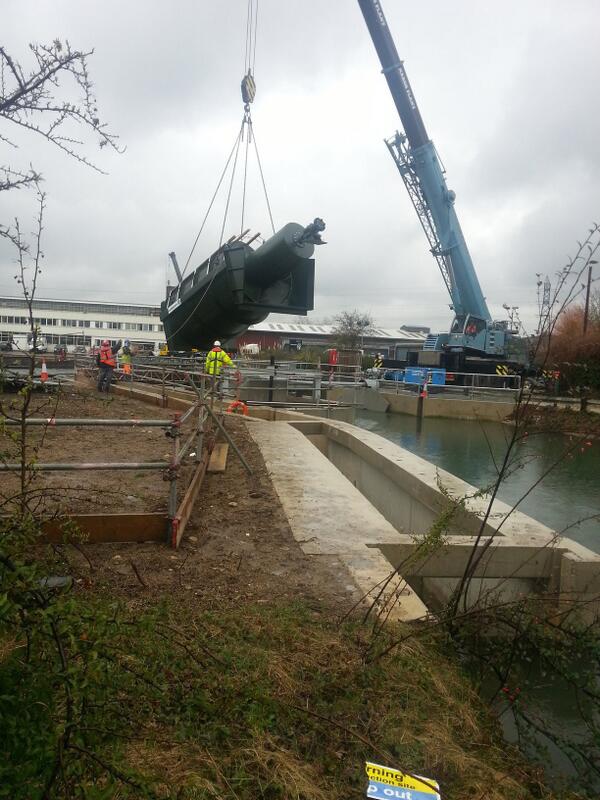
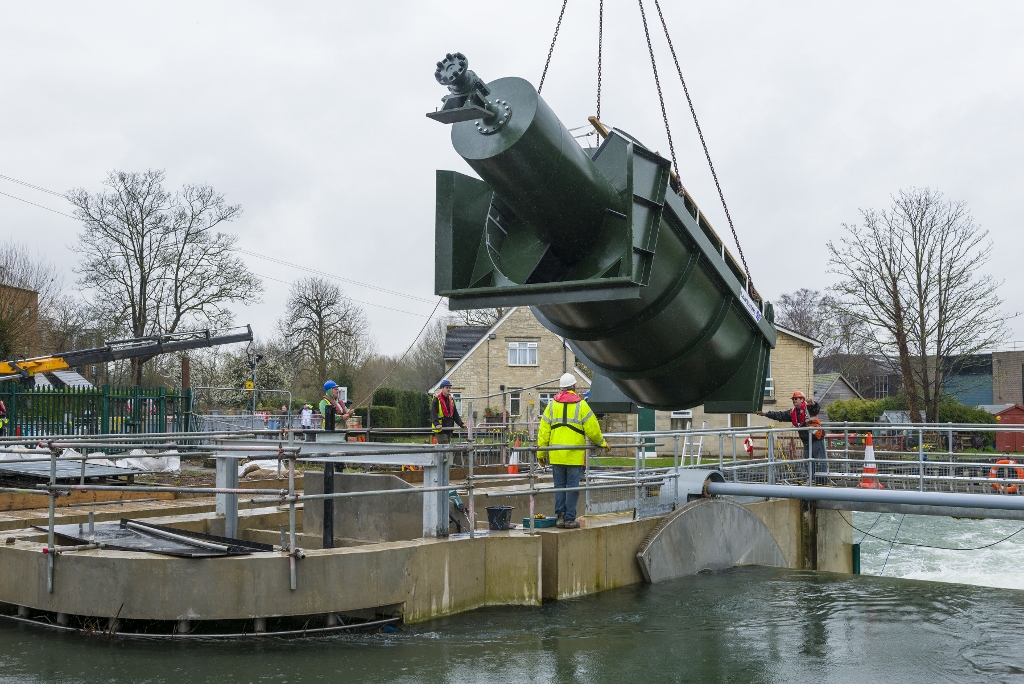
Lifting the 4.35m Archimedean Screw into place

osney lock hydro installation

On Tuesday 25th March at midday the dreams of the local residents came to life when a 4.35m-long, four-bladed Archimedean screw was installed at Osney Lock – the final construction phase of the Osney Lock Hydro scheme. The screw was designed by Mann Power Consulting Limited in the UK and manufactured in the Netherlands by Landustrie. Once operational, the 49kW variable speed Archimedean Screw turbine  will harness the power of the river to generate approximately 179,000kWh of green electricity per year.  When the scheme is completed it will generate enough electricity equivalent to that used to power around 60 houses. It will also generate an income of over £2 million over the lifespan of the project for the community to use for further environmental projects in the community.

Osney lock hydro installation
The four bladed Archimedean Screw being guided into position ~ Photo Credit: Andrew Watson

Over the coming weeks the power house will be constructed and then the gearbox and generator added. Once the Archimedean Screw is commissioned it will generate clean green elcetricity for the Osney Lock community – a long awaited dream that came to life 🙂

Update: Gear box and generator connected.

Gearbox and generator connected
Medieval Water Mills in Ireland

A  presentation on Medieval Water Mills in Ireland will take place on Monday 10th March at 7.30pm at Engineers Ireland, 22 Clyde Road, Dublin 4.

This is a free event hosted by the Heritage Society, in association with the Civil division and the Local Government division.

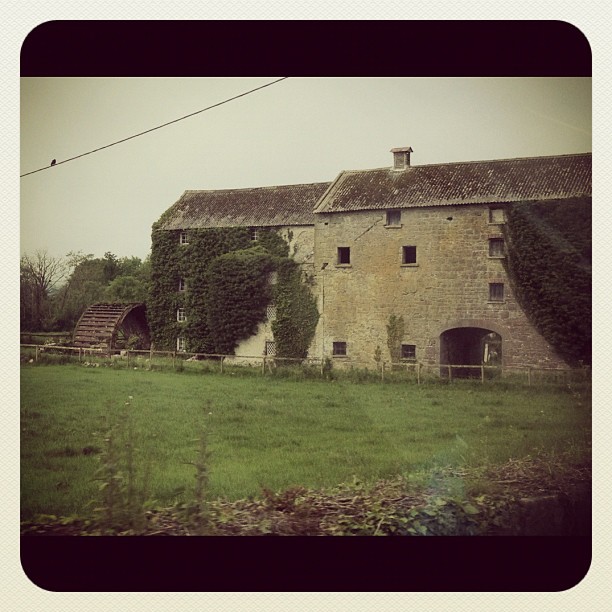
Old Mill and Mill Wheel

Ireland currently has the largest corpus of pre-10th century water-mill sites (both horizontal and vertical-wheeled) in the world. These provide vital insights into the development of water-powered prime movers elsewhere in Europe, where sites of similar date are generally rare. Indeed, while the precursors of the modern reaction turbine can be found in late Roman Tunisia, the earliest excavated examples of horizontal water wheels with dished or scooped paddles (as found in Pelton wheels) have been excavated in Ireland.

Using recent archaeological evidence from Ireland, this talk will seek to re-evaluate the relationship between mills employing horizontal and vertical water-wheels, and will challenge the notion that vertical wheeled grain mills were necessarily more efficient and productive than mills with horizontal waterwheels.

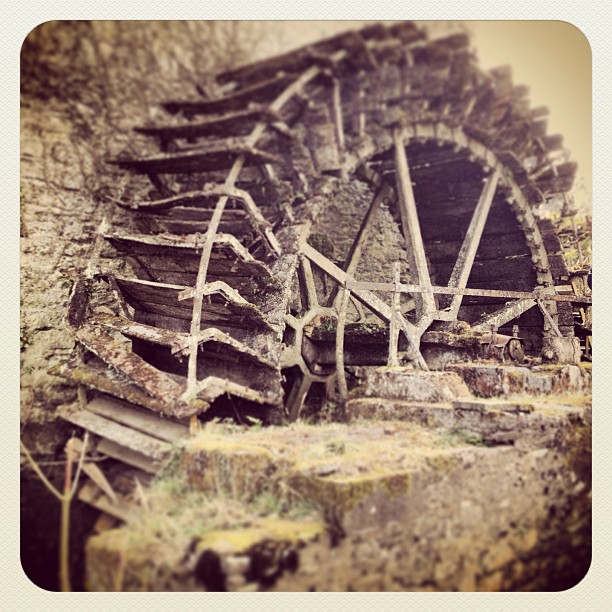
Water wheel

Dr Colin Rynne BA PhD – Senior Lecturer at UCC’s Archaeology Department.

Dr Rynne has widely published on water power in medieval Ireland and Europe and on the post-medieval and industrial archaeology of Ireland.  His research interests include medieval agriculture, medieval and post-medieval iron working in Ireland and Irish industrial archaeology.  Current research interests include a study of the 17th-century colonial landscapes created in south east Munster by Richard Boyle, 1st Earl of Cork.  He is also completing a major publication on the archaeology of waterpower in early medieval Ireland and Europe, c. AD 600-1100.

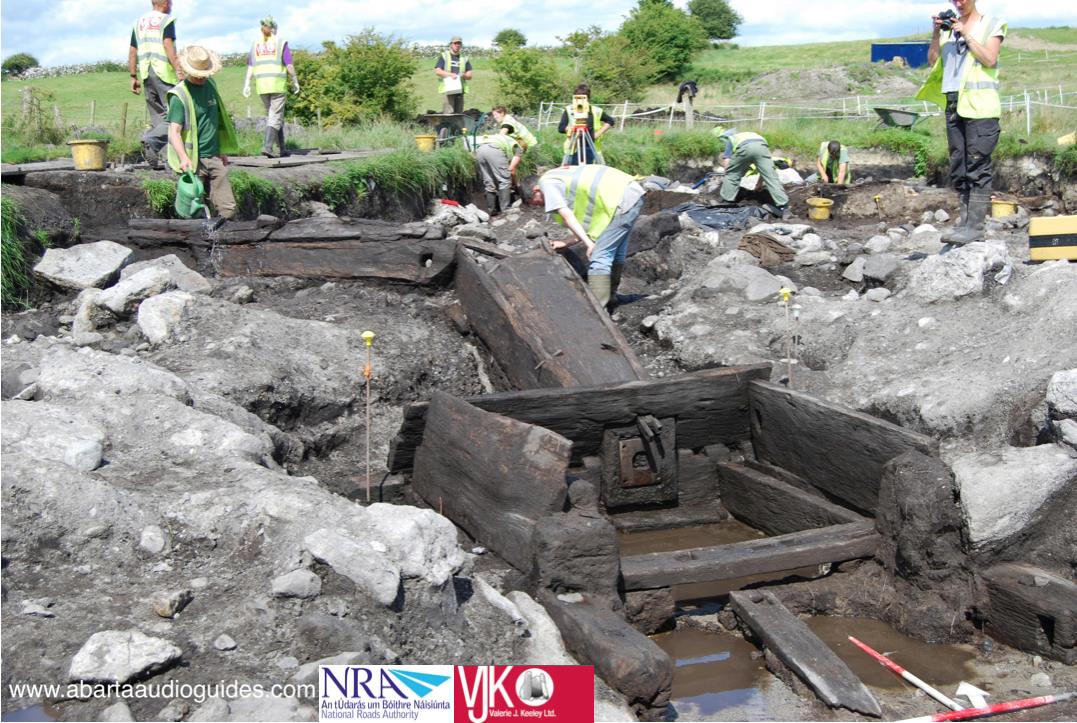
Medieval Water Mill excavated at Kilbegley, Co. Roscommon.

One of the best preserved early Medieval Water Mills in Europe was excavated in Kilbegley, Co. Roscommon in 2007. The  beautifully preserved horizontal watermill dates back to between 650–850 AD. During the excavation the remains of the whole lower floor of the mill, with its flume (the chute that carries the water), undercroft, wheel-hub, paddles and a number of other features largely intact were discovered. Artefacts that tell us about the lives of the monks and millers, like ringed-pins, bracelet fragments and leather were also found.

The excavation revealed that the millwrights and monks had an incredibly sophisticated and talented ability to survey and understand hydrological techniques, as the water from the mill came from small springs and local ground water rather than a river.

All of the structural timbers from the mill have been preserved and are currently stored with the National Museum of Ireland until a suitable location to house and display them can be found close to the place they were discovered.

Kilbegley Medieval Water Mill ~ Photo Credit Neil Jackman author of 'The Mill at Kilbegley'
Kilbegley Medieval Water Mill ~ Photo Credit Neil Jackman author of ‘The Mill at Kilbegley’

A book on the excavation ‘The Mill at Kilbegley’  authored by Neil Jackman with Caitríona Moore and Colin Rynne and edited by Tadhg O’Keefe is now available.

You can also hear the story of the mill, and all the other fascinating archaeological sites discovered in advance of the construction of the M6 by downloading the FREE audioguide – The M6 A Route Through Time.

Thank you to Neil Jackman who very kindly allowed me to include the information and photo of the excavation of Kilbegley Medieval Water Mill.

National Tree Week 2 – 8 March 2014 ~ The Sound of Trees!

The theme for National Tree Week 2014 is ‘The Sound of Trees’ ~ ‘Fuaim na gCrann’

The launch of National Tree Week takes place in Powerscourt Estate Gardens,  Enniskerry, Co.Wicklow on Sunday 2nd March 2014.  National Tree Week is an annual week long fun festival about trees organised by The Tree Council of Ireland.  In celebration of National Tree Week individuals, families, schools and local communities are encouraged to participate in and support events taking place around the country during the week.

National Tree Week 2014 - trees at Eco Evolution, Wexford
National Tree Week 2014 – trees at Eco Evolution, Wexford

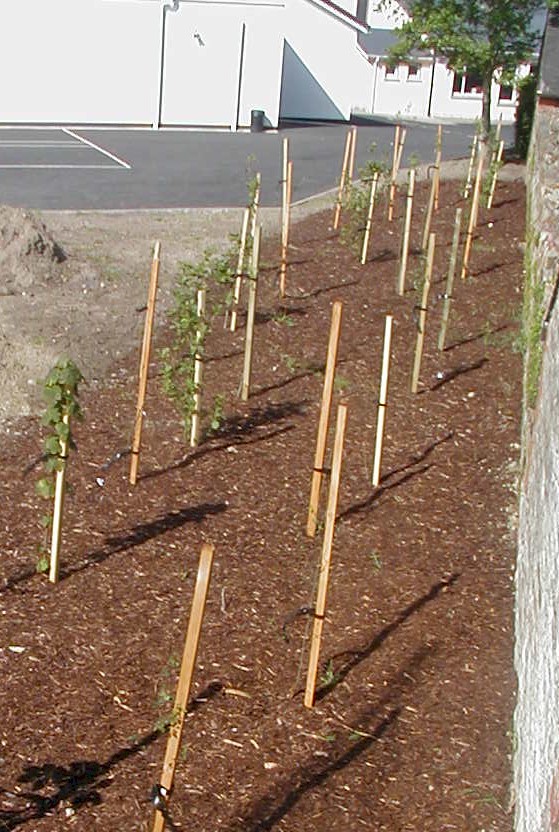
By doing something as simple as planting a tree, everyone can play their part in making a difference to our efforts to live more sustainably, bringing about huge  benefits, many of which will have long term impact in times of climate uncertainty. 

Despite great advances in the past 100 years, Ireland remains one of the least wooded countries in Europe with only 11% of our land planted with trees compared to the European average of 40%.  Ireland has agreed a target to increase our forest cover to 17% by 2035.  This initiative will provide new jobs, build our forestry industry and help improve our environment.

On a global level, trees play a significant role in mitigating against climate change by soaking up carbon emissions and in the sustainable wood resource they provide.  Trees also improve air quality, providing us with clean air to breathe, and reduce the effects of flash flooding and soil erosion.  They give shade to make streets and buildings cooler in summer and improve the energy efficiency of buildings by providing shelter and reducing heat loss.  Without trees, life on earth would be intolerable.

Get involved!

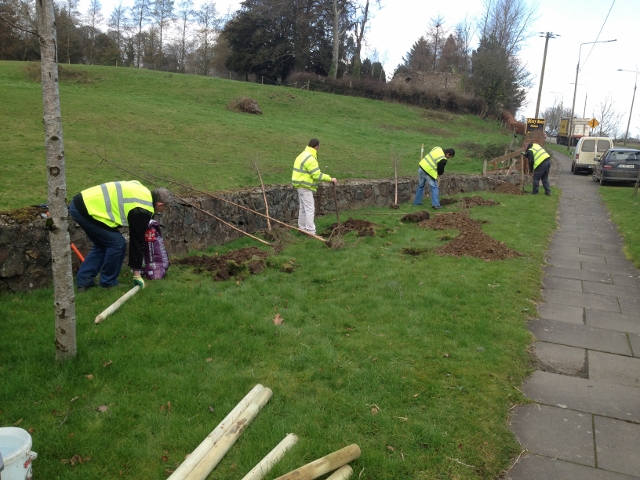
It’s easy to get involved as an individual or as a group.  The Tree Council of Ireland invites you to organise one or more events for the week to celebrate trees. As well as tree planting ceremonies, the range of events can include forest and woodland walks, nature trails, workshops, woodturning displays, talks, tree hugging, tree climbing etc. the choice is yours.

Ferns Tidy Towns Group planting a copse of trees

What can you do to celebrate National Tree Week?

  • Check out the National Tree Week events programme and take part in an event near you.
  • Celebrate National Tree Week in your school by planting a tree or in the classroom by drawing pictures or making leaf prints or bark rubbings of trees, read or write poems or stories about trees, learn how to measure the height and spread of a tree, produce a class drama about trees.
  • Encourage your local residents association, tidy towns group, youth club, sports club or other local organisation to get their members involved in a tree planting or tree maintenance project (eg. clean-up a local woodland) in your area.
  • Volunteer in a local community tree-planting event. You’ll meet new people and make a difference in your community.
  • Organise a walk or trail to showcase and tell the stores of any large, unusual or historic trees in your community.
  • Commemorate an event of significance in your community by planting a tree and organise a community celebration or get together to mark the occasion.
  • Celebrate the week in a personal way by planting a tree yourself in your own garden.
  • Take some time to read a book about trees or find our more about their characteristics, their uses, folklore etc. Learn to identify trees in your neighbourhood.
  • Enjoy the outdoors. Visit a local forest or park or take a nature walk and enjoy observing and being in the company of trees.
  • Those in the business community could sponsor a community tree project.
Woodland area of native trees at Scoil Naomh Maodhóg, Ferns
Woodland area of native tree saplings at Scoil Naomh Maodhóg, Ferns

Trees are essential to our world and offer a wide range of benefits to our environment so for the week that’s in it we should also remember that recycling saves trees! Each ton of recycled paper can save 17 trees, 380 gallons of oil, three cubic yards of landfill space, 4000 kilowatts of energy, and 7000 gallons of water. This represents a 64% energy savings, a 58% water savings, and 60 pounds less of air pollution.

Celebrate with Gorey Library

If you live in or around Gorey, Co. Wexford why not celebrate National Tree Week with Gorey Library.  Email your photograph of trees before and or after the recent storms to display digitally in the library. If you wish to be accredited please place your name digitally on your photograph. The Digital Photographic Exhibition will run for the full week of National Tree Week. Please email photographs to stephanie.black@wexfordcoco.ie

Practical On-farm Renewable Energy event at CAFRE’s Enniskillen Campus

The annual “Practical On-farm Renewable Energy” event has now become a fixture in many peoples calendars following its success in previous years. The event will be held once again on Wednesday 26th February at Enniskillen Campus. This is a FREE event and is open to the public from 1.00pm – 9.00pm. DARD has again joined forces with the UFU, and AFBI to provide practical information for farmers and the rural sector about the various renewable energy options available for their businesses

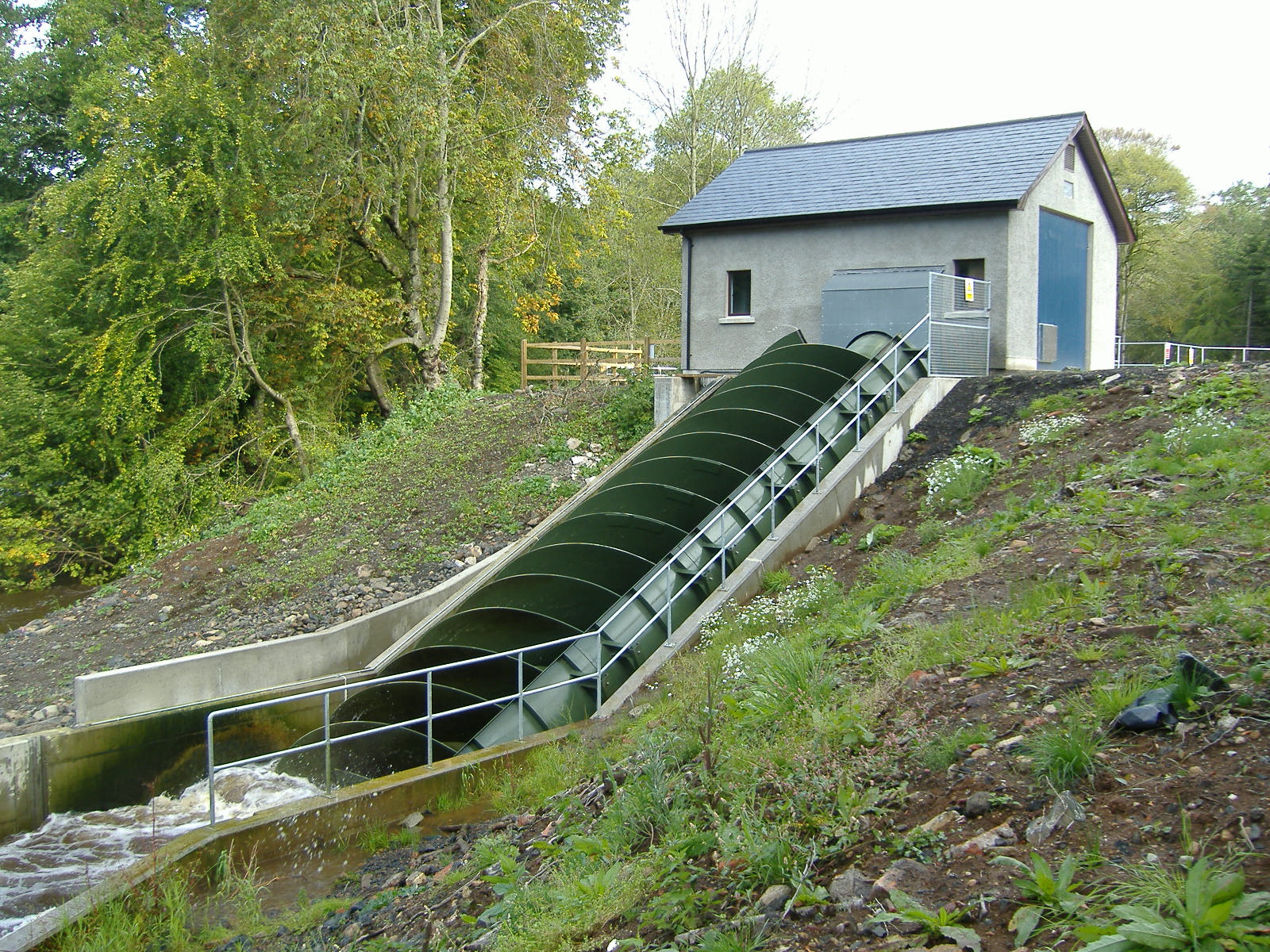
1st to be installed in Northern Ireland and largest single screw to be ever manufactured – Shanes Castle Hydropower
1st hydro scheme to be installed in Northern Ireland and largest single screw to be ever manufactured – Shanes Castle Hydropower
Renewable energy technologies continue to offer significant potential to improve the competitiveness and sustainability of farm businesses through reducing and enabling additional income streams, when employed in the appropriate situation. This event seeks to assist farmers and growers with identifying which technology, if any, is appropriate for their own business (or domestic) situation. It also aims to provide information and contacts which will aid progress through the many procedures required to bring such projects to fruition.
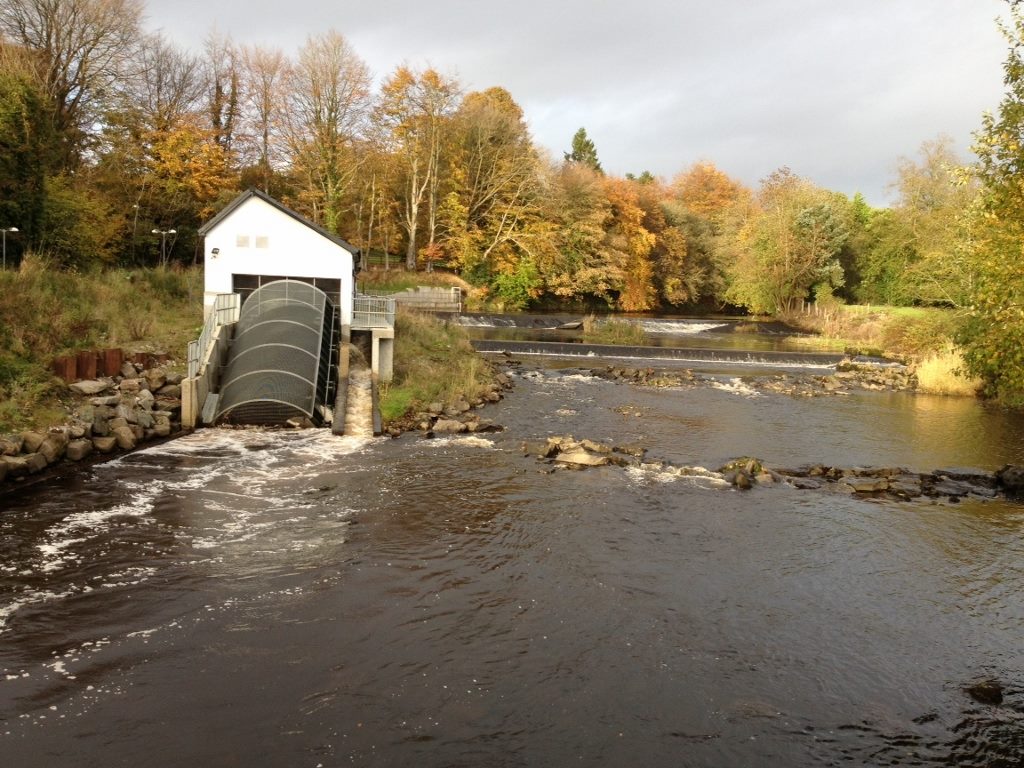
2nd hydro scheme installed in Northern Ireland for Omagh District Council
2nd hydro scheme to be installed in Northern Ireland – Omagh District Council Hydropower
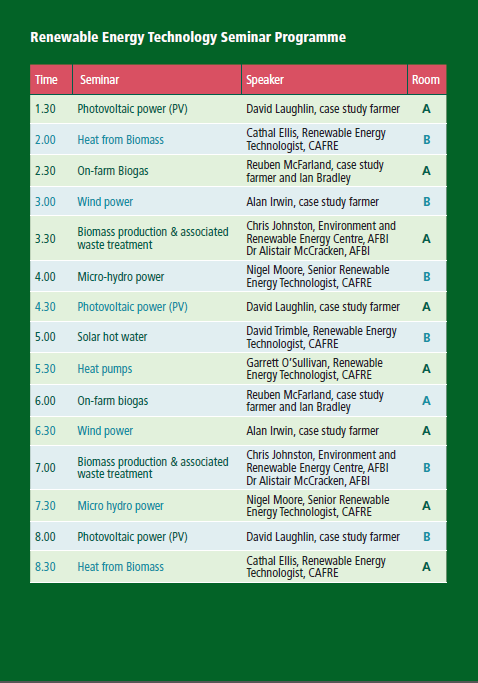
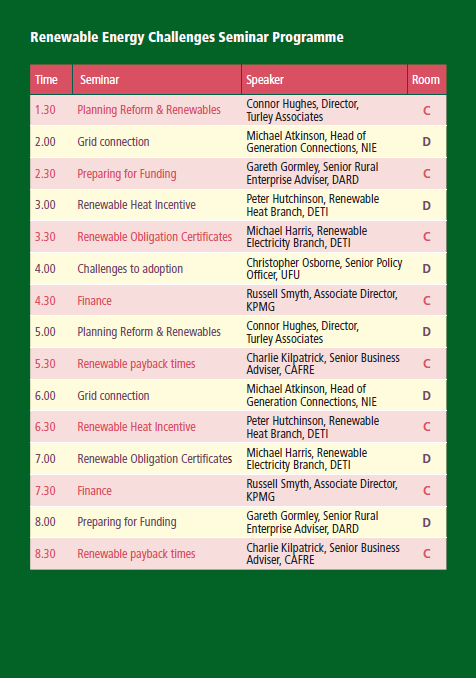
 There will be a series of seminars throughout the day highlighting local case studies of the main renewable energy technologies; wind power, biomass production and utilisation, biogas production, solar hot water and PV, micro-hydro and heat pumps. A second series of seminars will deal with many of issues facing those considering installing a green energy source. Topics covered will include the proposed Renewable Heat Incentive (RHI), grid connection, planning, NI Renewable Obligation Certificates (NIROC’s), marketing NIROC’s as well as finance, business planning and funding options.
Renewable Energy Technology Seminar Programme

The timing of the seminars is such that those attending can dip in and out of the seminars that interest them and spend time talking to some of the trade in the exhibition area or go to see some of the working technologies at first hand. There will be around 45 trade and ancillary stands providing both information on the various renewable energy technologies and guidance in overcoming any barriers to implementations.

Renewable Energy Challenges Seminar Programme

We offer a friendly one-stop shop for hydro development in both Ireland and the UK from feasibility studies to licensing, to installation and commissioning and everything in between!

If you would like to discuss any aspect of your project prior to the show or want to arrange to meet us on the day please contact us here. We look forward to meeting you at the show.