Being Green – our generation didn’t have the green thing back then!!

The following piece ‘Being Green’ has been circulating on various social media platforms over the past few months and it really struck a chord with me. Like the woman at the checkout we didn’t have the ‘green thing back when I was growing up but everyday we were doing the ‘green’ thing without actually realising it.  Just take a few minutes to read it through and you too will see how easy it was, and still is to be green.

Being Green!

Checking out at the store, the young cashier suggested to the older woman, that she should bring her own grocery bags because plastic bags weren’t good for the environment. The woman apologized and explained, “We didn’t have this green thing back in my earlier days.” The young clerk responded, “That’s our problem today. Your generation did not care enough to save our environment for future generations.” She was right — our generation didn’t have the green thing in its day.
Being Green - our generation didn't have the green thing back then!!
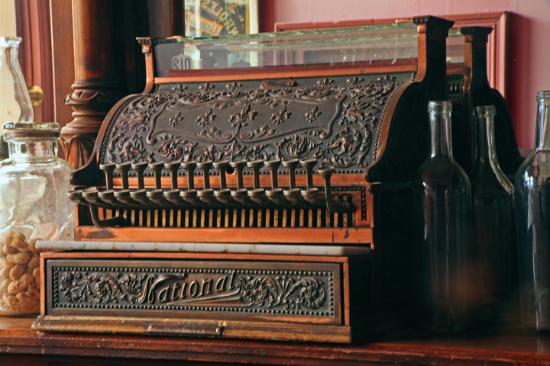
Old Cash Register ~ Photo Credit ~ South Park City Museum via www.tripadvisor.com

Back then, we returned milk bottles, soda bottles and beer bottles to the store. The store sent them back to the plant to be washed and sterilized and refilled, so it could use the same bottles over and over. So they really were truly recycled. But we didn’t have the green thing back in our day.
Being Green - our generation didn't have the green thing back then!!
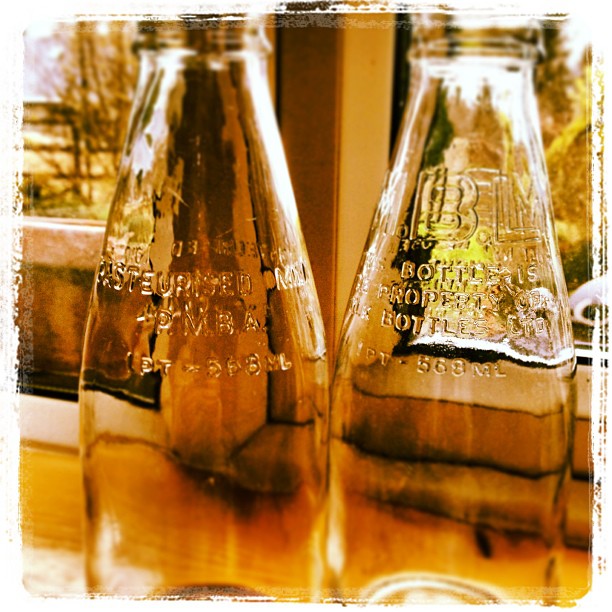
We returned milk bottles, soda bottles and beer bottles to the shops

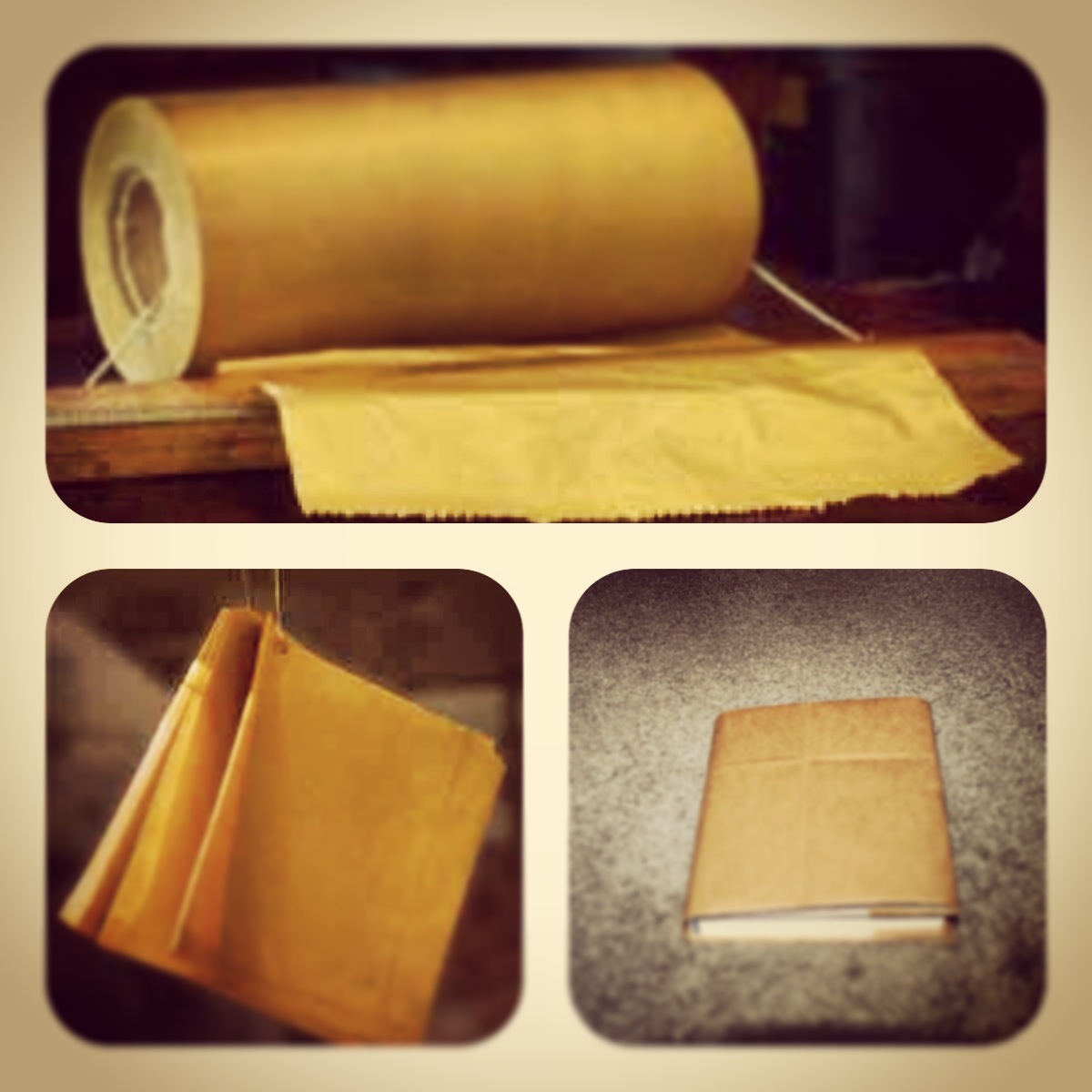
Grocery stores bagged our groceries in brown paper bags, that we reused for numerous things, most memorable besides household garbage bags, was the use of brown paper bags as book covers for our schoolbooks. This was to ensure that public property, (the books provided for our use by the school) was not defaced by our scribblings. Then we were able to personalize our books on the brown paper bags. But too bad we didn’t do the green thing back then.
Being Green - our generation didn't have the green thing back then!!
Brown paper bags were used to wrap groceries and then reused to wrap books

We walked up stairs, because we didn’t have an escalator in every store and office building. We walked to the grocery store and didn’t climb into a 300-horsepower machine every time we had to go two blocks. But she was right. We didn’t have the green thing in our day.

Back then, we washed the baby’s diapers because we didn’t have the throwaway kind. We dried clothes on a line, not in an energy-gobbling machine burning up 220 volts — wind and solar power really did dry our clothes back in our early days. Kids got hand-me-down clothes from their brothers or sisters, not always brand-new clothing. But that young lady is right; we didn’t have the green thing back in our day.
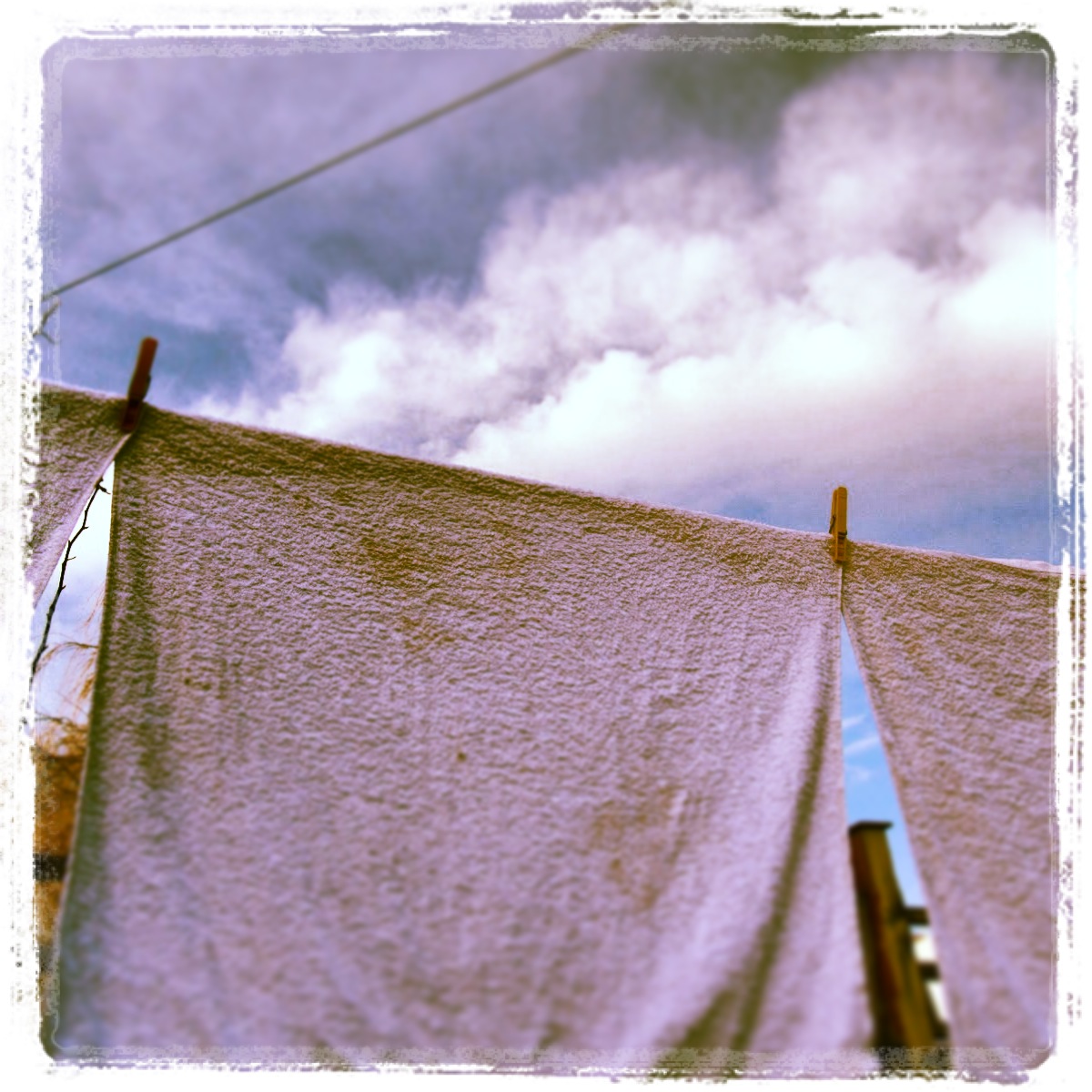
Solar powered clothes dryer!

Back then, we had one TV, or radio, in the house — not a TV in every room. And the TV had a small screen the size of a handkerchief (remember them?), not a screen the size of the state of Montana. In the kitchen, we blended and stirred by hand because we didn’t have electric machines to do everything for us. When we packaged a fragile item to send in the mail, we used wadded up old newspapers to cushion it, not Styrofoam or plastic bubble wrap. Back then, we didn’t fire up an engine and burn gasoline just to cut the lawn. We used a push mower that ran on human power. We exercised by working so we didn’t need to go to a health club to run on treadmills that operate on electricity. But she’s right; we didn’t have the green thing back then.

Being Green - our generation didn't have the green thing back then!!
A single radio to keep up with the daily news stories

We drank from a fountain when we were thirsty instead of using a cup or a plastic bottle every time we had a drink of water. We refilled writing pens with ink instead of buying a new pen, and we replaced the razor blades in a razor instead of throwing away the whole razor just because the blade got dull. But we didn’t have the green thing back then.

Back then, people took the streetcar or a bus and kids rode their bikes to school or walked instead of turning their moms into a 24-hour taxi service. We had one electrical outlet in a room, not an entire bank of sockets to power a dozen appliances. And we didn’t need a computerized gadget to receive a signal beamed from satellites 23,000 miles out in space in order to find the nearest burger joint. But isn’t it sad the current generation laments how wasteful we old folks were just because we didn’t have the green thing back then?
Being Green - our generation didn't have the green thing back then!!
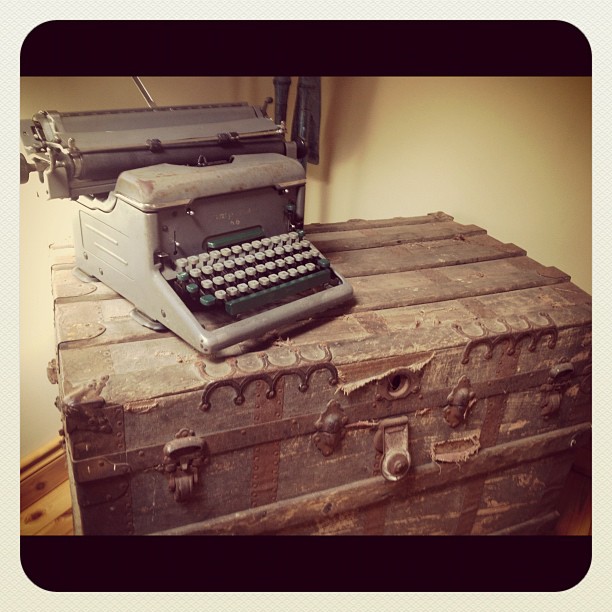
No computers or electronic gadgets back then.

It struck me as I was reading it that life was so much simpler back then. I remember my mother washing out the milk bottles (the two in the photo escaped as I found them while doing a litter pick!), using brown paper to cover school books, washing the nappies by hand and we walked or cycled to the shops. My first introduction to typing was on the typewriter in the photo above (that’s not that many years ago!!). I remember strapping it to my bicycle and cycling four miles to the classes and back home again.

Whoever originally wrote this piece was right – we probably didn’t consume nearly as much oil/gas/electricity back then. However, it wasn’t because we were being ‘green’, it was more because technology hadn’t advanced far enough yet. What do you think? Were we being ‘green’ back then or was it just a way to make ends meet?

All photographs unless otherwise credited are copyright of Mary Gethings.
Hydropower installation and restoration of Penllergare Valley Woods

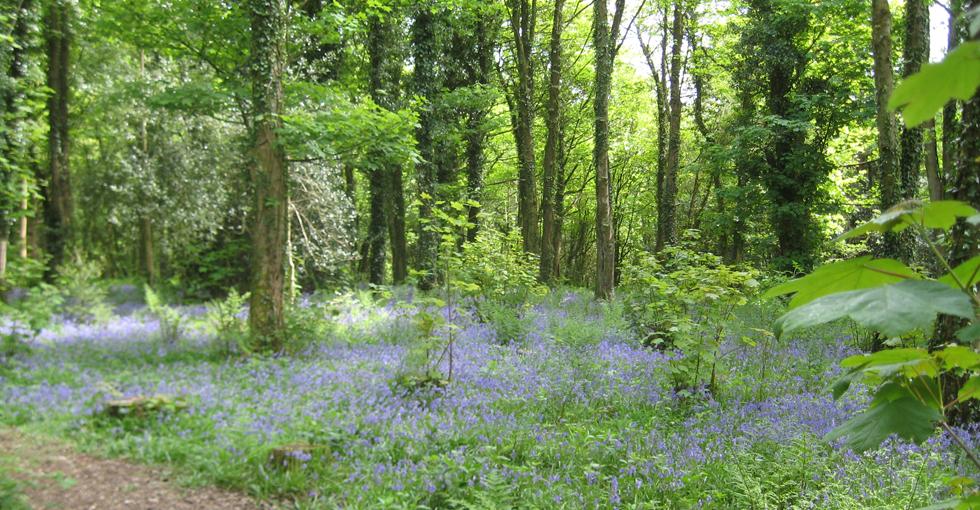
Located on the northern fringe of Swansea, Penllergare Valley Woods was once a famous gentry estate and home to John Dillwyn Llewelyn, the notable 19-century horticulturalist, philanthropist and pioneering photographer. It is Llewelyn’s design, vision and influence behind the picturesque and romantic landscapes of the park.

Hydropower installation and restoration of Penllergare Valley Woods
Photo credit ~ One Historic Garden ~ Penllergare Valley Woods

For almost half a century Penllergare Valley Woods was neglected, vandalised and threatened by development and so the Penllergare Trust was formed in 2000 as an independent charity with the aim of restoring and regenerating the Grade II listed Penllergare Valley Woods to its former stunning glory. The leases of Valley Woods were finally assigned to the Trust on 26th April 2012, effectively securing them for public benefit until 2116 – that’s 104 years! This in turn initiated the award of £2.4m by the Heritage Lottery Fund through it’s Parks for People Programme to support the first phase of an ambitious £2.9m restoration scheme focussed on the upper end of the valley.

Hydropower installation and restoration of Penllergare Valley Woods
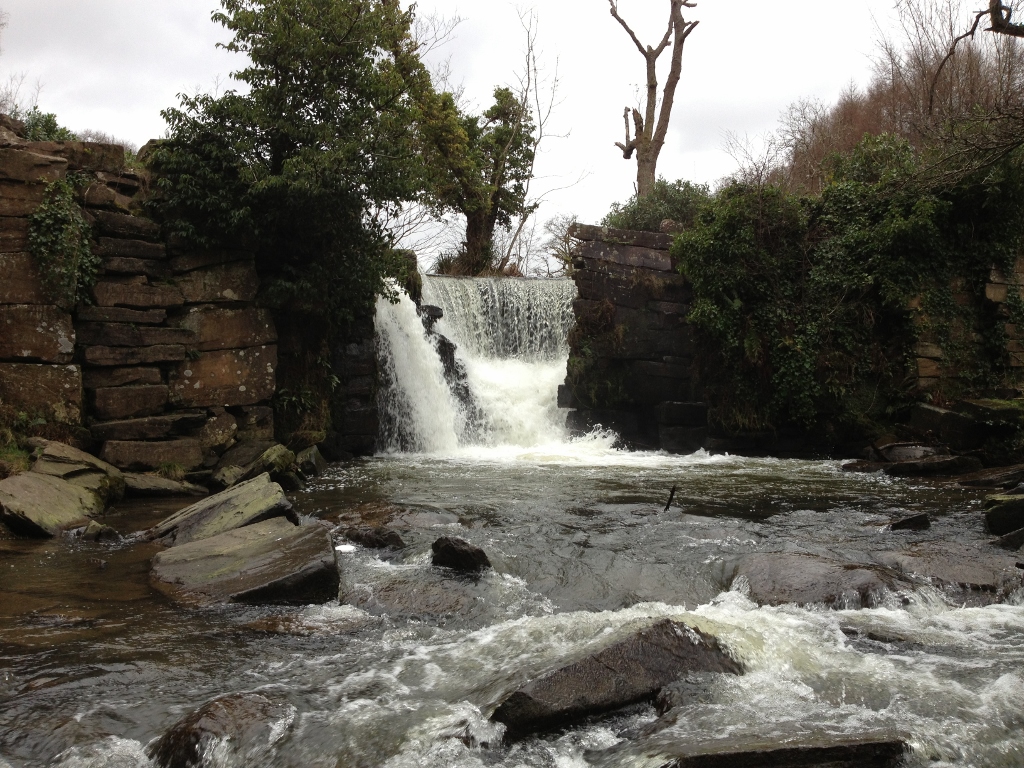
Manmade waterfall at Penllergare Valley Woods

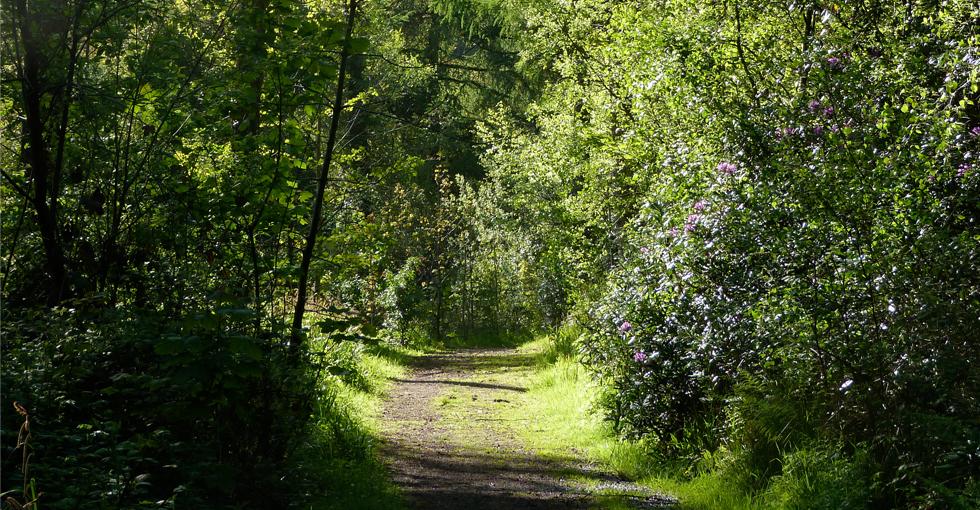
It’s a place where you can enjoy the sound of birds, delight in the profusion of wild flowers, discover evidence of exotic plantings and uncover for yourself the hidden features of a grand design. Wildlife research carried out by Swansea Council has found the estate is very significant for amphibians and acts as a “corridor” for animals to thrive and move about.

Hydropower installation and restoration of Penllergare Valley Woods
Photo Credit ~ One Historic Garden ~ Woodland walkway at Penllergare Valley Woods

The restoration of Penllergare Valley Woods will provide an essential green space to relax, explore and have fun in as well as creating jobs and providing training opportunities for local people. The involvement of local volunteers was vital to the success of this project and it’s fantastic to see so many people  involved, learning new skills and playing their part in taking the local  heritage into the future.

Hydropower installation and restoration of Penllergare Valley Woods
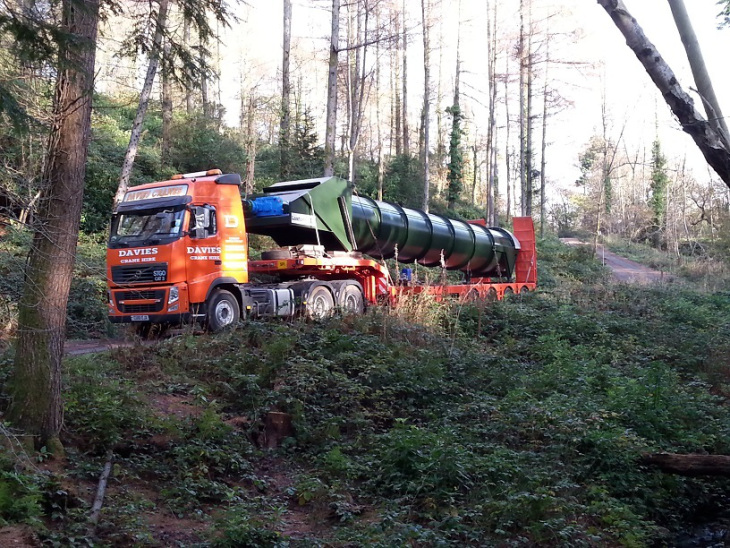
The arrival on site of the 30kW closed compact Archimedean Screw – Photo ~ Philip James

As part of the upgrade and restoration of Penllergare Valley Woods a 30kW Archimedean Screw Hydro Turbine was installed to ensure a sustainable future for Penllergare Valley.

Hydropower installation and restoration of Penllergare Valley Woods
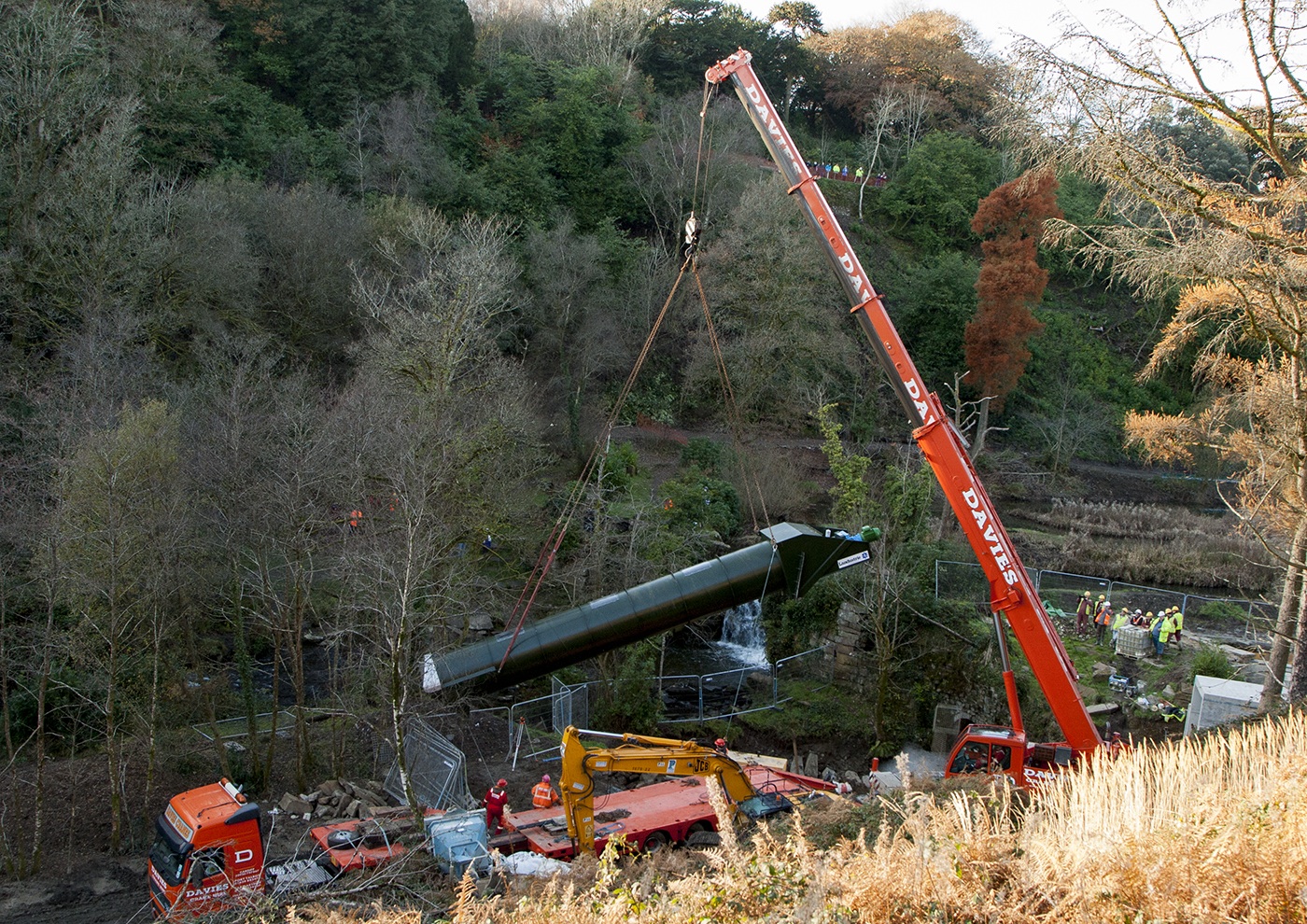
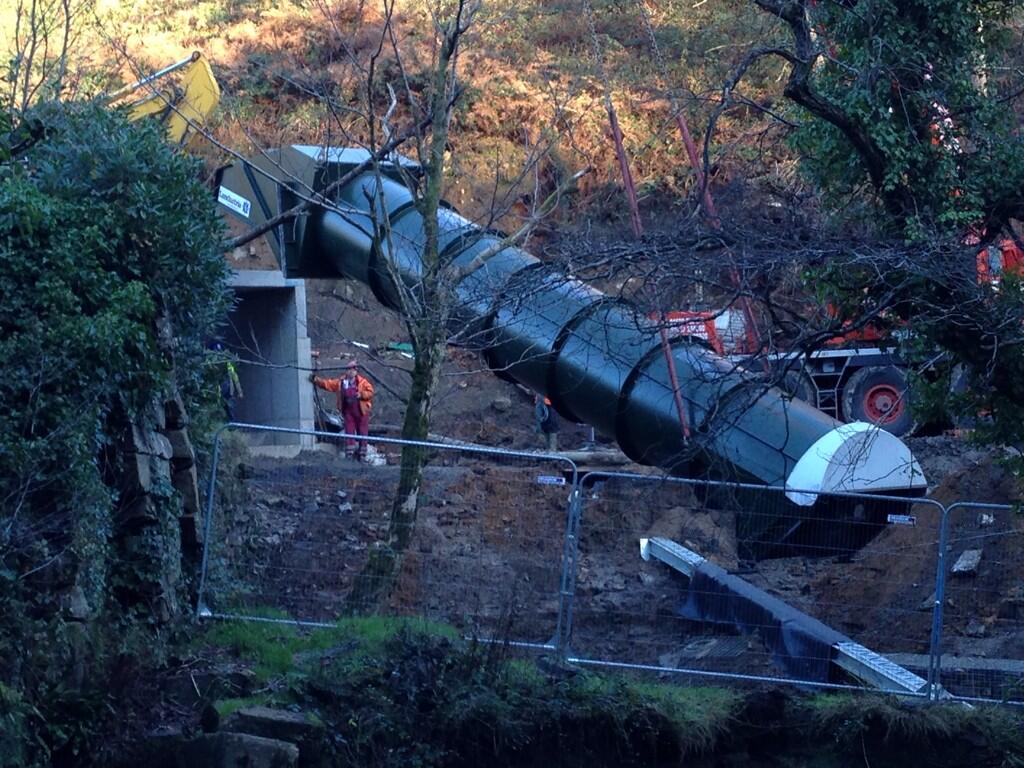
Lifting the Archimedean Screw into position

The development of the hydropower scheme in Penllergare Valley Woods will generate sufficient power to meet the needs of the sites new visitor centre and excess sold to the National Grid, raising an expected £10,000 per year for the trust.

Hydropower installation and restoration of Penllergare Valley Woods
Lowering the Archimedean Screw into position

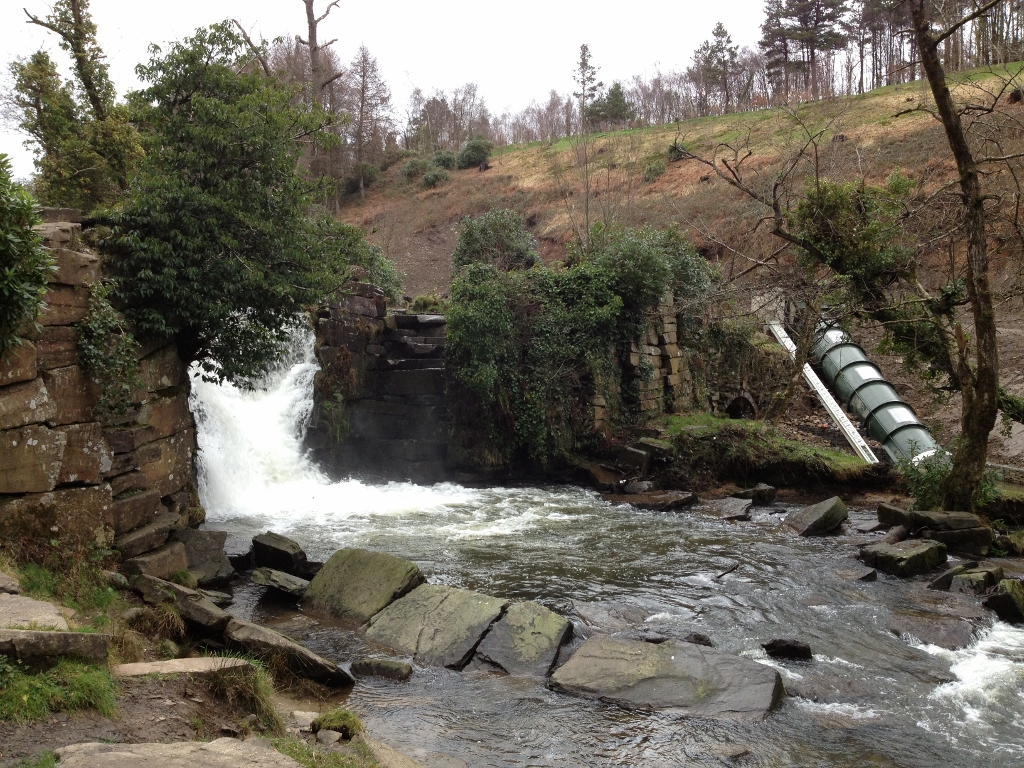
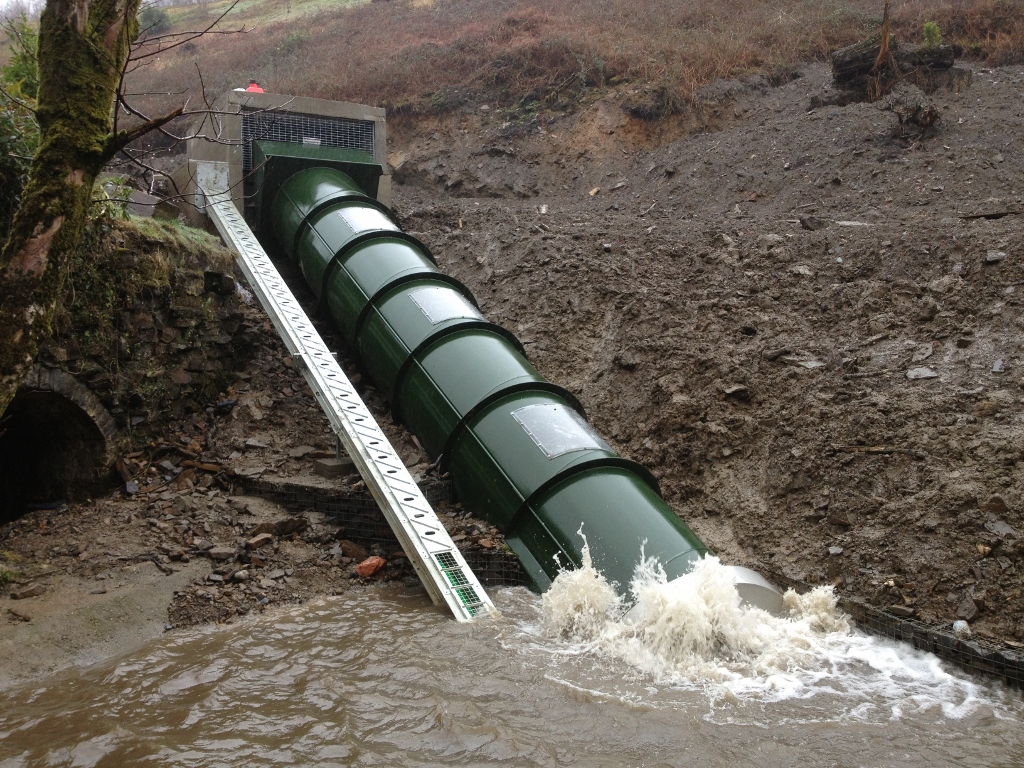
The Archimedean Screw with a length of 11m and a capacity of 2880 m3/h is situated next to the waterfall at Penllergare Valley Woods. The hydropower scheme was designed by Mannpower Consulting Ltd and the Archimedean Screw was manufactured by Dutch company Landustrie.

Hydropower installation and restoration of Penllergare Valley Woods
The Archimedean Screw insitu beside the waterfall

The enclosed compact design was the preferred design of screw for this particular site as the design minimises the installation cost and doesn’t intrude on the existing landscape.

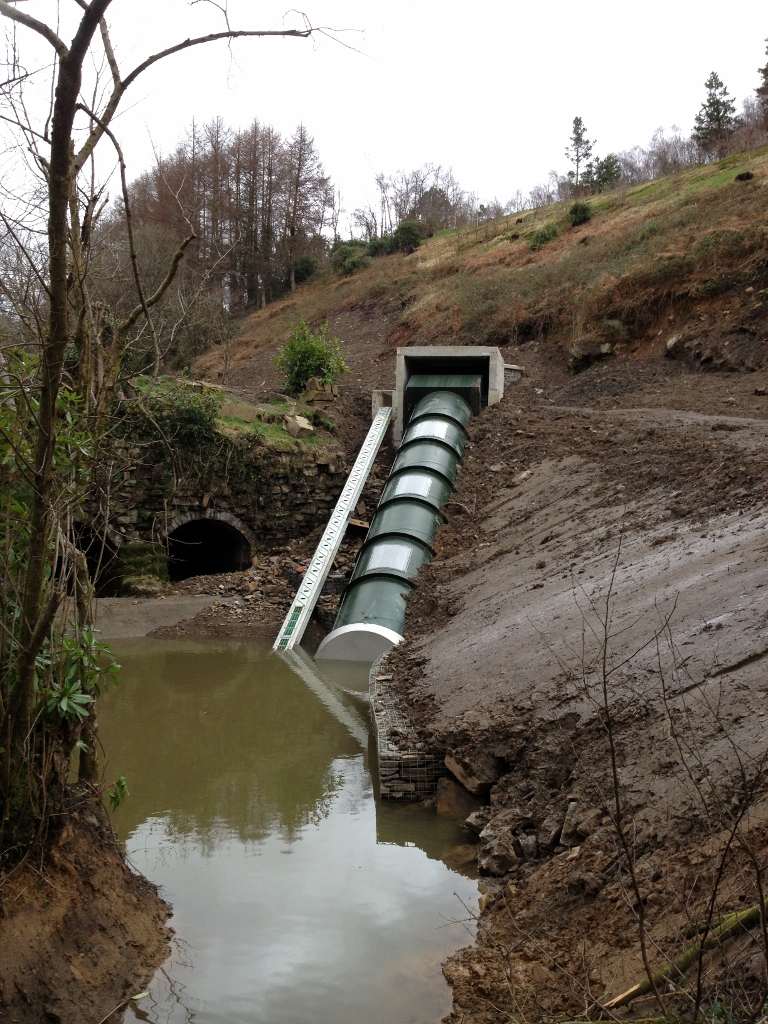
Archimedean Screw with ell pass running along side
Archimedean Screw with eel pass running along side

The Archimedean Screw is placed into the bank side and sits at an angle that roughly matches the existing natural profile of the ground.  Three clear panels along the length of the screw will enable the functioning of the screw to be monitored and the workings demonstrated. It could therefore be used to educate the public about hydro electricity and alternative energy sources. Once in-situ most surrounding areas will be dressed with soil and stone and this will enable it to blend in with the surrounding area.

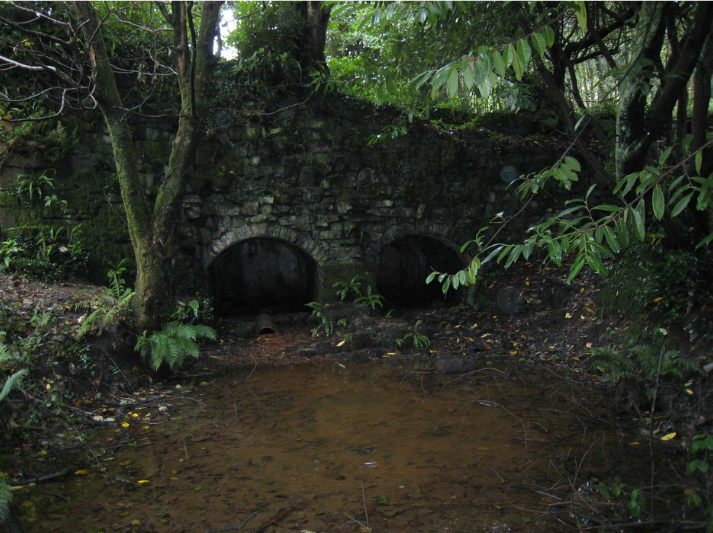
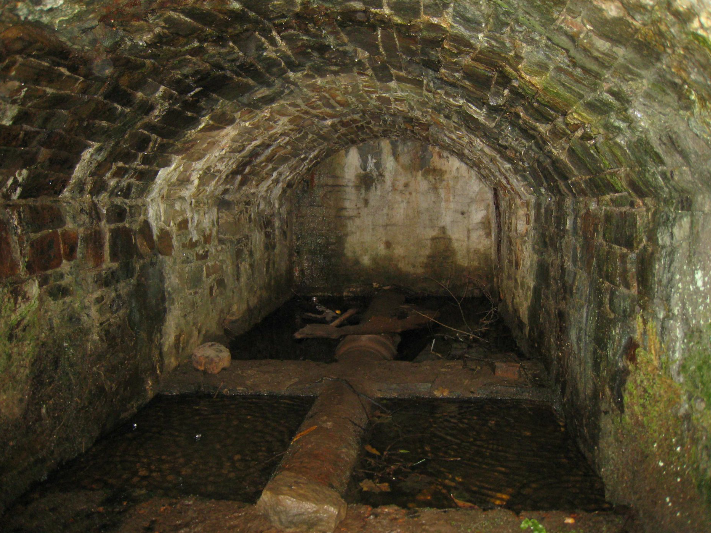
Decorative stone arches containing drain down pipes for the lake

Decorative stonework on the interior of the arches

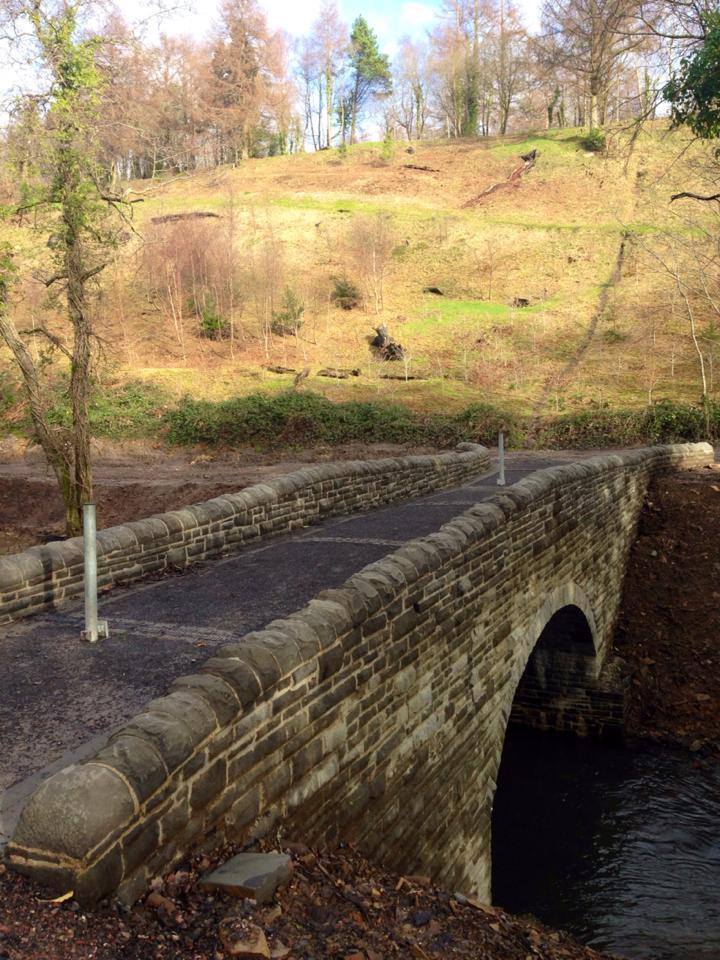
We are heading over to begin the commissioning of the scheme at the beginning of February. Since our arrival on site the newly built Llewelyn Bridge has been opened to the public.

Photo Credit ~ Penllergare Valley Trust ~ The newly built Llewelyn Bridge

On the 9th April the Penllergare Valley Woods Archimedean screw hydro generator was commissioned and handed over to the Penllergare Trust. Initially, the electricity generated will feed the coffee shop, woodland centre and the office cabin by the car park, thus reducing significantly the running costs. The Trust are negotiating with Ofgem and their electricity provider to buy surplus electricity from them by feeding it in to the National Grid. All of the income derived from this will be ploughed back into running and maintaining Penllergare Valley Woods for everyone to enjoy.

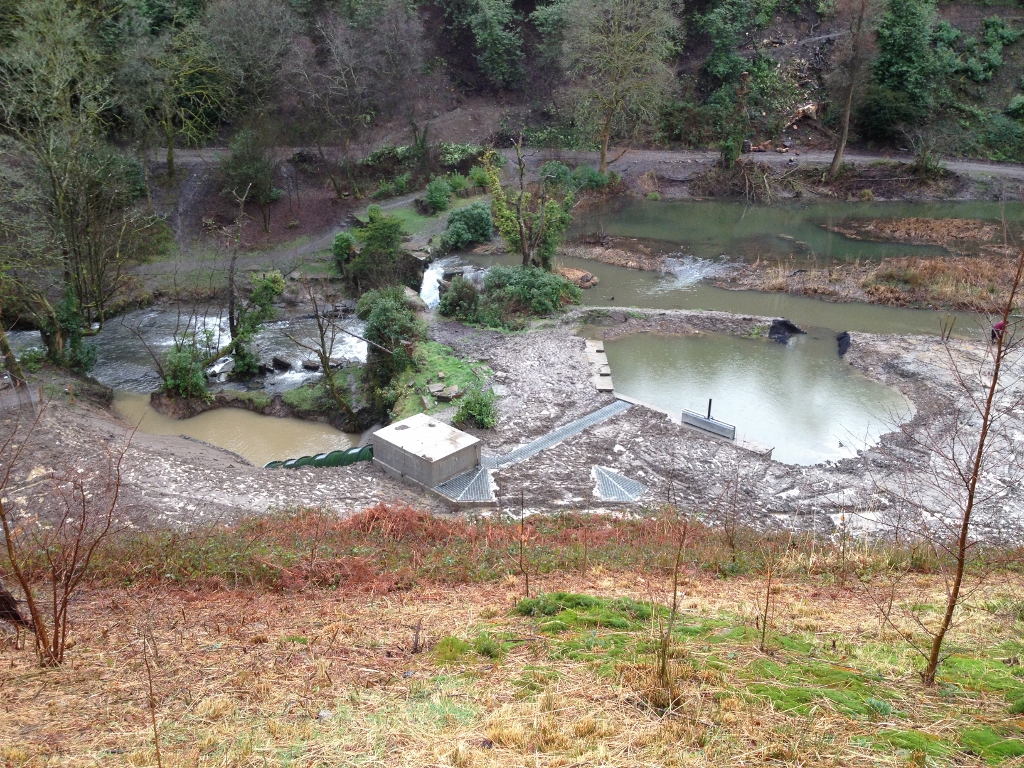
The site of the Archimedean Screw installation and lake

The commissioning of the Archimedean Screw was based on the partially de-silted lake configuration. It will need to be adjusted once the lake works have been completed later in the Summer. In the meantime the Trust plan to move soil, place stones and later, plant trees and shrubs around the works to better integrate it all into the landscape. Once this work has been completed, the area around the turbine will be open for people to take a look and to see the screw turning through the specially designed viewing panels in the top of the screw housing.

Generating clean green electricity

If you are the owner of a potential hydro site or are a community group interested in developing a hydro project for community use please contact us. We design, install and commission hydropower schemes in Ireland and the UK.

Chooseday’s Choice ~ Is your home leaking energy?

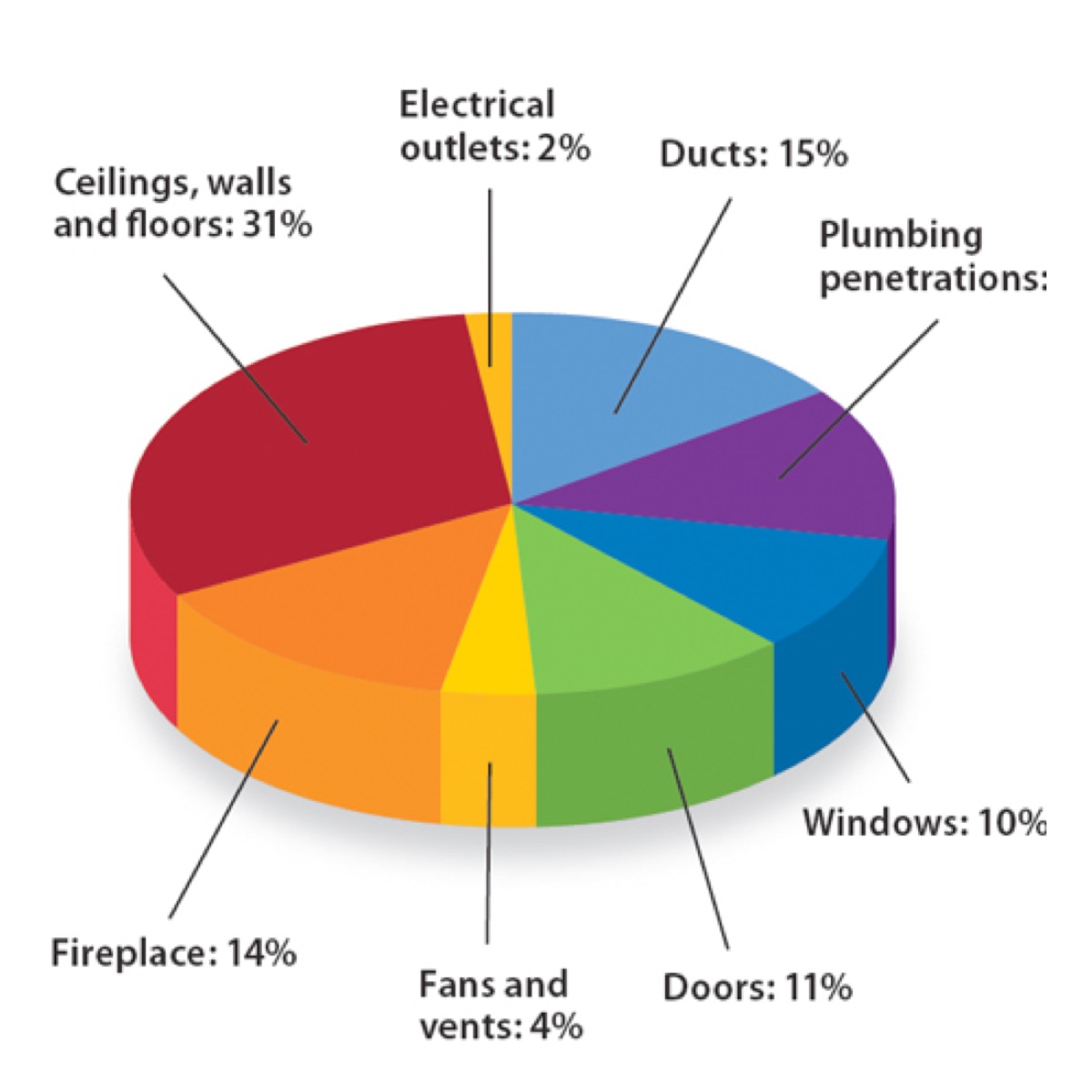
Where does YOUR energy go?

Air infiltrates into and out of your home through every hole and crack. About one-third of this air infiltrates through openings in your ceilings, walls, and floors. Warm air leaking into your home during the summer and out of your home during the winter can waste a lot of your energy.

One of the quickest tasks you can do is caulk, seal, and weatherstrip all seams, cracks, and openings to the outside. You can save on your heating and cooling bill by reducing the air leaks in your home.

You Choose!

Air leaks


Hydropower generation at Brett’s Sion Mill on the river Nore

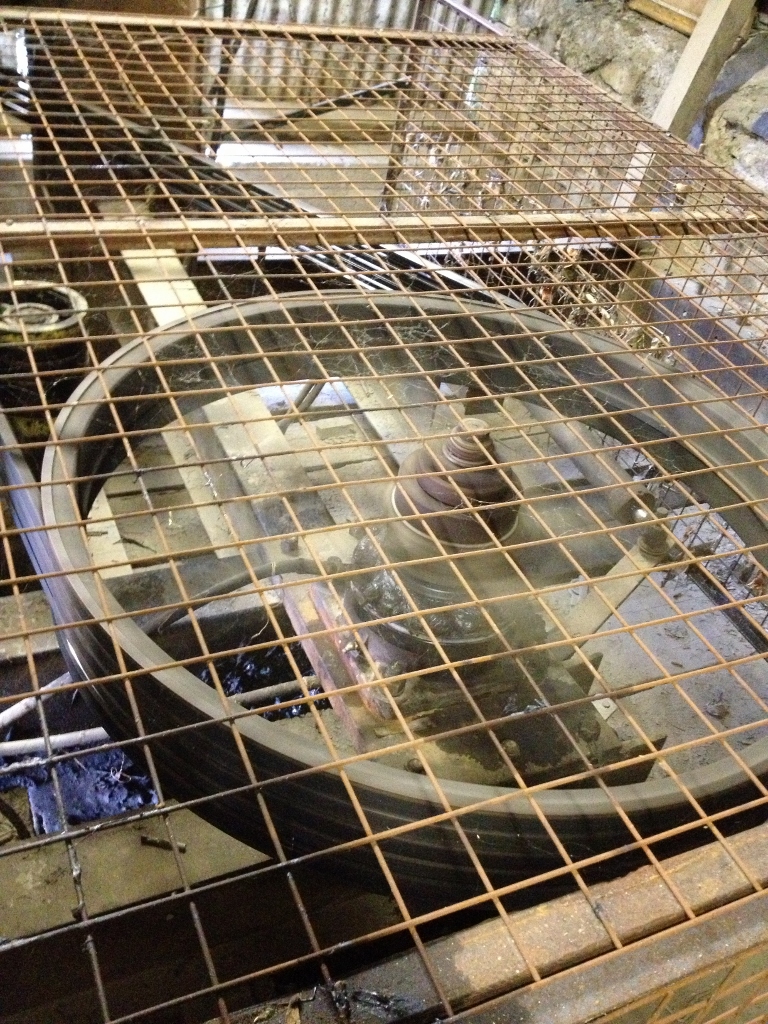
Bretts Mill on the River Nore, dates back to the 14th Century. The mill has been in the Brett family since the 1800s and the present owner John is carrying on a proud tradition, except that his operation, making the finest native Irish hardwood flooring, uses hydroelectric and biomass energy on-site, with surplus exported to the national grid. The clean production of electricity at Brett’s saves approximately 5,000 tonnes of Carbon Dioxide (CO2) annually.

Bretts Sion Mills
The hydro turbine generating clean green energy

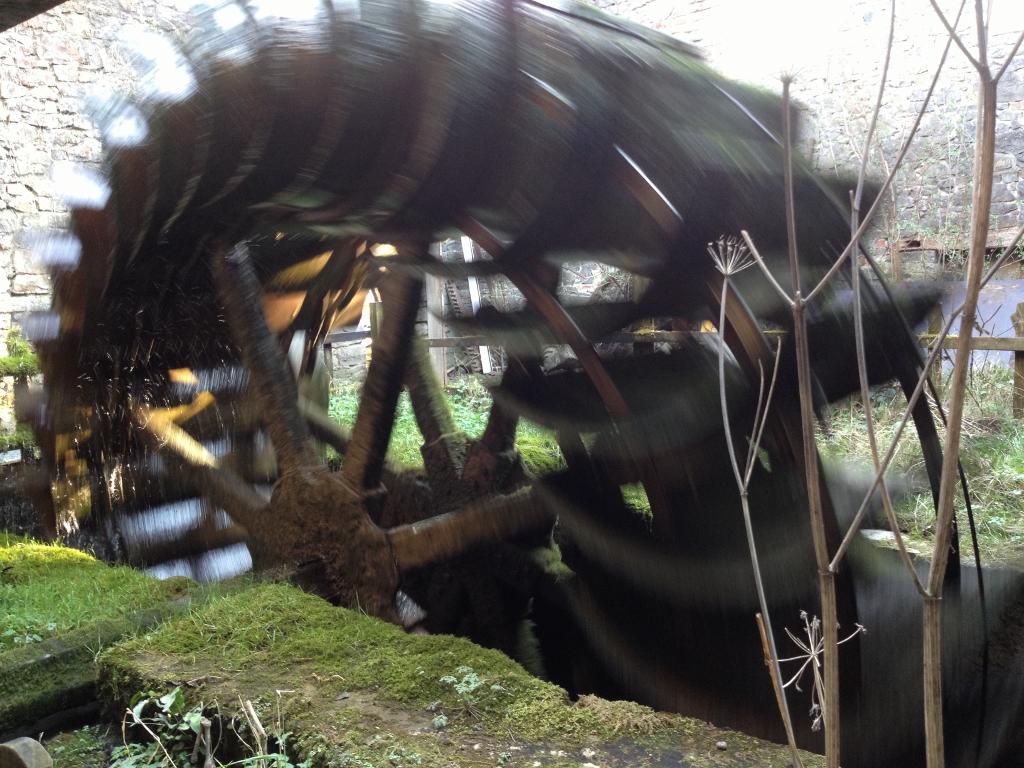
The undershot mill wheel, the oldest one of its type continually in use in Ireland  is a satisfactory solution to low-head hydropower in terms of construction, reliability and ease of maintenance. In addition, it is benign to fish movements and provides excellent aeration which is necessary for life in the river.  The paddles of the waterwheel are flat and are simply dragged round by the flowing water.

Bretts Sion Mills
Undershot waterwheel one of the oldest in continuous use in Ireland

By 1850, Ireland had around 6,400 watermills, according to the EU-funded SPLASH (Spatial Plans and Local Arrangement for Small Hydro) report. Nearly all of the old watermills have long since fallen into disuse, but the potential they represent is still there. Cost is a factor, but the report emphasises that small scale hydro schemes are a secure and reliable form of energy that should be used as part of the drive to promote renewable energy.

Old mill sites are ideal sites for hydropower because  in most cases the original structures are still insitu which in turn cuts down on the cost of civil work which greatly reduces the cost of a new install. The Irish Hydropower Association estimates, for example, that up to 600 old mill sites around the country could be redeveloped into hydropower generation sites.

Bretts Sion Mills
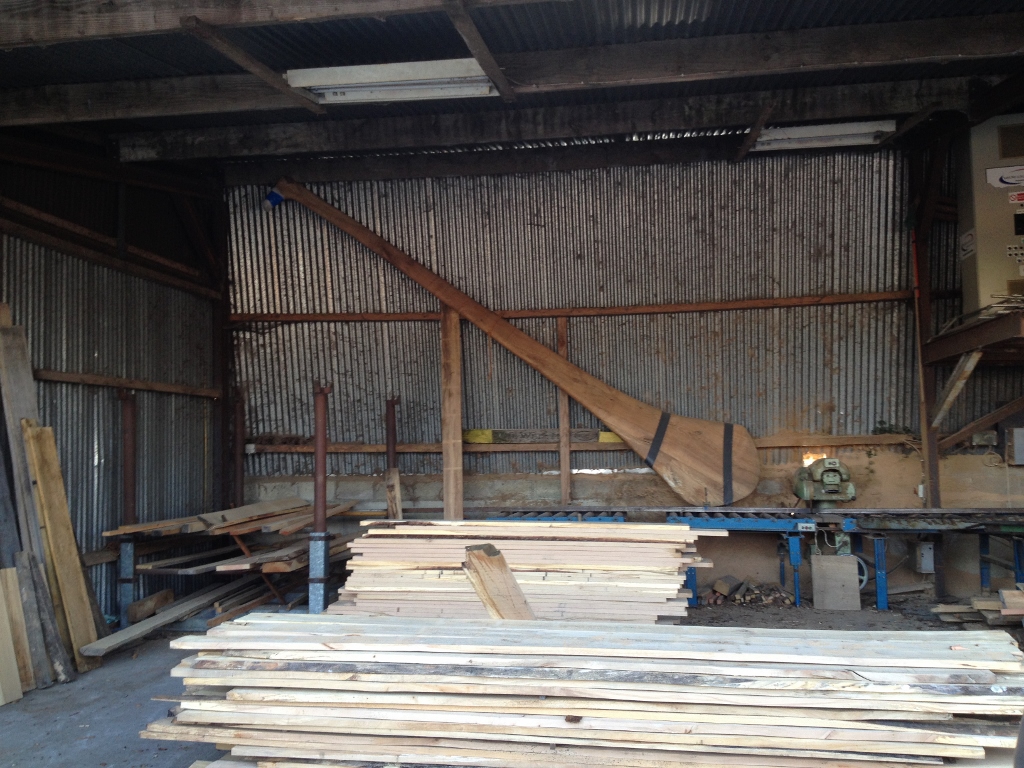
Kilkenny hurley on display

On the day we visited the mill John discovered that we were from Wexford and took great pride in showing us the gigantic hurley he had on display in one of his many workshops.  He makes the hurleys for the Kilkenny team and in his words “this is why they are winners” !! 🙂

Presentation of NUI Certificates in Renewable Energy Technologies and Systems

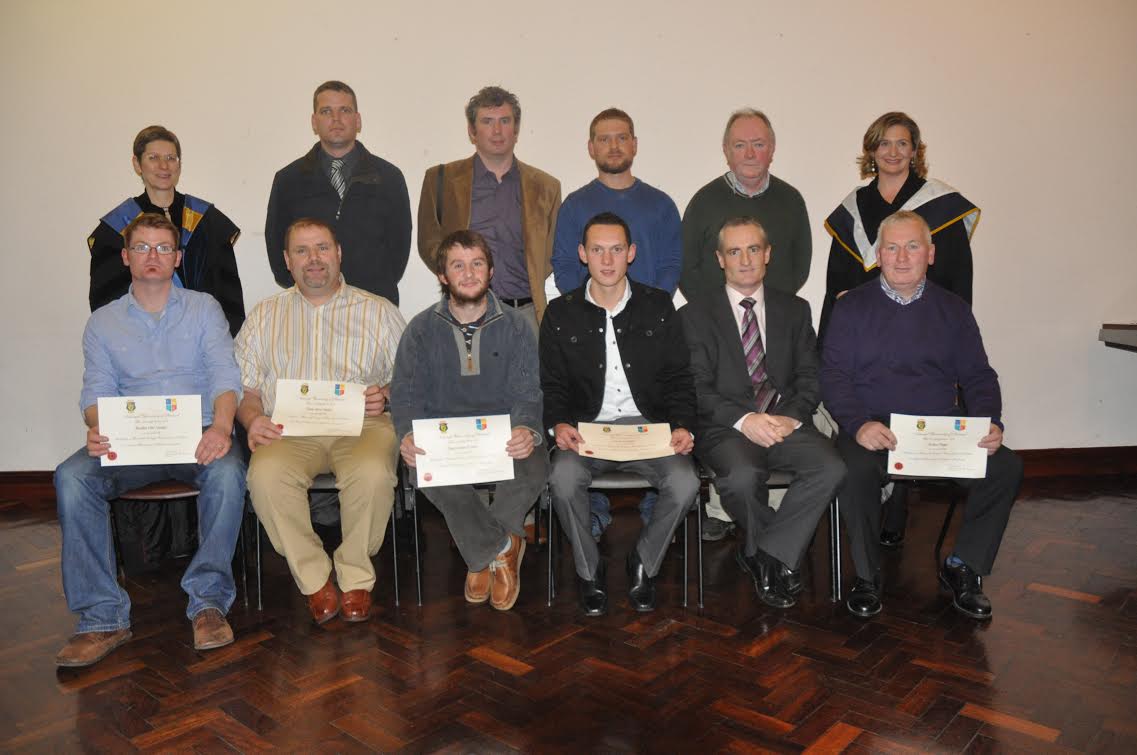
On Saturday November 30th NUI Kilkenny Campus held its annual Presentation of Certificate ceremony. Professor Rowena Peccehnino, Dean of  the Faculty of Social Science at NUI Maynooth, and Head of the Department of Economics, Finance and Accounting presented the Certificates with the help of Dr. Willie Smyth and Maeve O’Byrne, Acting Head of Campus.

Certificates were awarded to over 70 students on the day. As tutor of the NUI Certificate in Renewable Energy, Technologies and Systems course it was a privilege to be invited along to be part of the celebrations and see the students receive their certificates.

NUIM Graduation 2013- Renewable Energy

The course provided the students with a broad overview of micro and small scale renewable energy technologies and systems. These included wind turbines, hydro turbines, solar photovoltaic, solar thermal, heat pumps and biomass. It  introduced the science behind the technologies, and the applications of this science including opportunities for small business development and/or further education. The programme was designed and delivered by Frank and the Dept. of Electronic Engineering, NUI Maynooth and was ran at Kilkenny Campus. It used an innovative mix of online learning and face to face contact.

Module 1: Renewable Energy Technology
An overview of Renewable Energy in the national and international context (energy usage, resources grid etc); and Renewable Energy Technologies including wind, hydro, solar PV and heating, heating pumps, and ocean energy.

Module 2: Renewable Energy Design Case Study 
This module involved each student picking a technology area from the following list: wind energy (micro or commercial); small hydro, solar PV, solar thermal, heat pumps. Each student completed a project including resource quantification, design and specification of a renewable energy installation, a calculation of the likely energy output and an approximate economic analysis of the project.

Module 3: Renewable Energy Industry Seminar Series 
This module was delivered through e-learning (Moodle) and allowed participants access to the wealth of commercial expertise in design, installation, management, financing and operation of renewable energy installations in Ireland. The objective was to tap into the expertise and to the issues associated with real world implementation of renewable energy technology.

We wish the lads the best of  luck and best wishes for a bright and green future from all of us at Eco Evolution!

Chooseday’s Choice! ~ LED’s or Traditional Christmas lights?

Where does YOUR energy go?

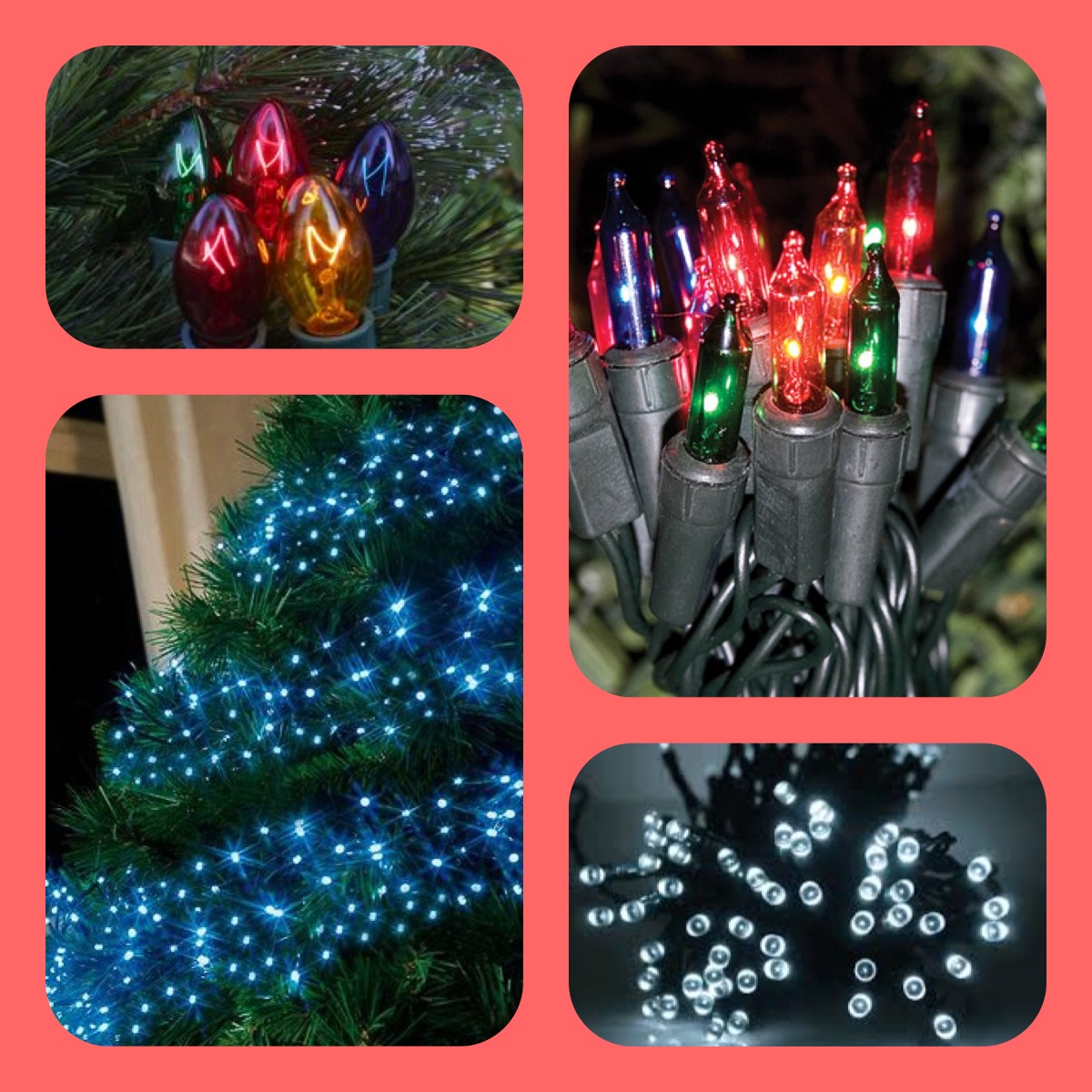
We all like to decorate our Christmas trees and the exterior of the house with hundreds of those little twinkling lights and you don’t have to stop doing that to go green. However, you do need to replace those traditional Christmas lights from years past with the newest kid on the block – LED (light emitting diode) Christmas lights.

They use up to 90% less energy than traditional incandescent Christmas lights so they will save you money during the Christmas season, especially if you like to use a lot of lighting. Beyond the decrease in energy usage, these LED lights produce very little heat which significantly reduces the risk of fire and they last about 10 times longer than traditional lights.

You Choose!

LEDS's  or Traditional Christmas Lights?
LEDS’s or Traditional Christmas Lights?

Here are some Green Christmas tips that’ll help you to save money, reduce your Christmas carbon footprint and won’t cost the Earth!

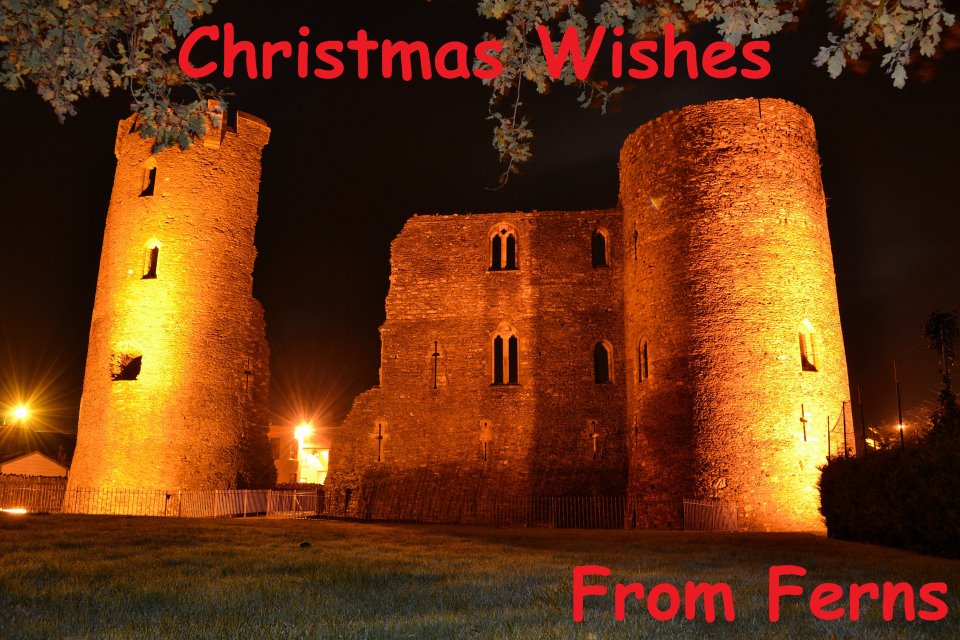
Wishing everyone a very happy and safe Christmas!

Happy Christmas!


Chooseday’s Choice! ~ Artifical or locally grown Christmas trees?

Where does YOUR energy go?

Although plastic Christmas trees are reusable from year to year, real trees are the more sustainable choice. Plastic trees are made mostly of plastic and use up resources in both the manufacture and shipping. While artificial trees theoretically last forever, research shows that they are typically discarded when repeated use makes them less attractive. Discarded artificial trees are then sent to landfills, where their plastic content makes them last forever.

Live trees, on the other hand, are a renewable resource grown on tree farms, that are replanted regularly. They contribute to air quality while growing, and almost ninety percent are recycled into mulch. Live trees are usually locally grown and sold, saving both transportation costs and added air pollution.

You Choose!

Artifical or locally grown Christmas tree?

Visit your local garden centre and buy a live Irish grown tree in a large pot. This will allow you to reuse the tree for a few years without having to plant or re-pot the tree. If you have a spacious garden the tree can be planted out after Christmas where it can be enjoyed for many years and also help the environment and reducing our carbon footprint.

Don’t forget to go to your local council’s website after Christmas for details on tree recycling and collection.

Here are some Green Christmas tips that’ll help you to save money, reduce your Christmas carbon footprint and won’t cost the Earth!


Chooseday’s Choice! ~ Dustbin, compost or recycle bin?

Where does YOUR energy go?

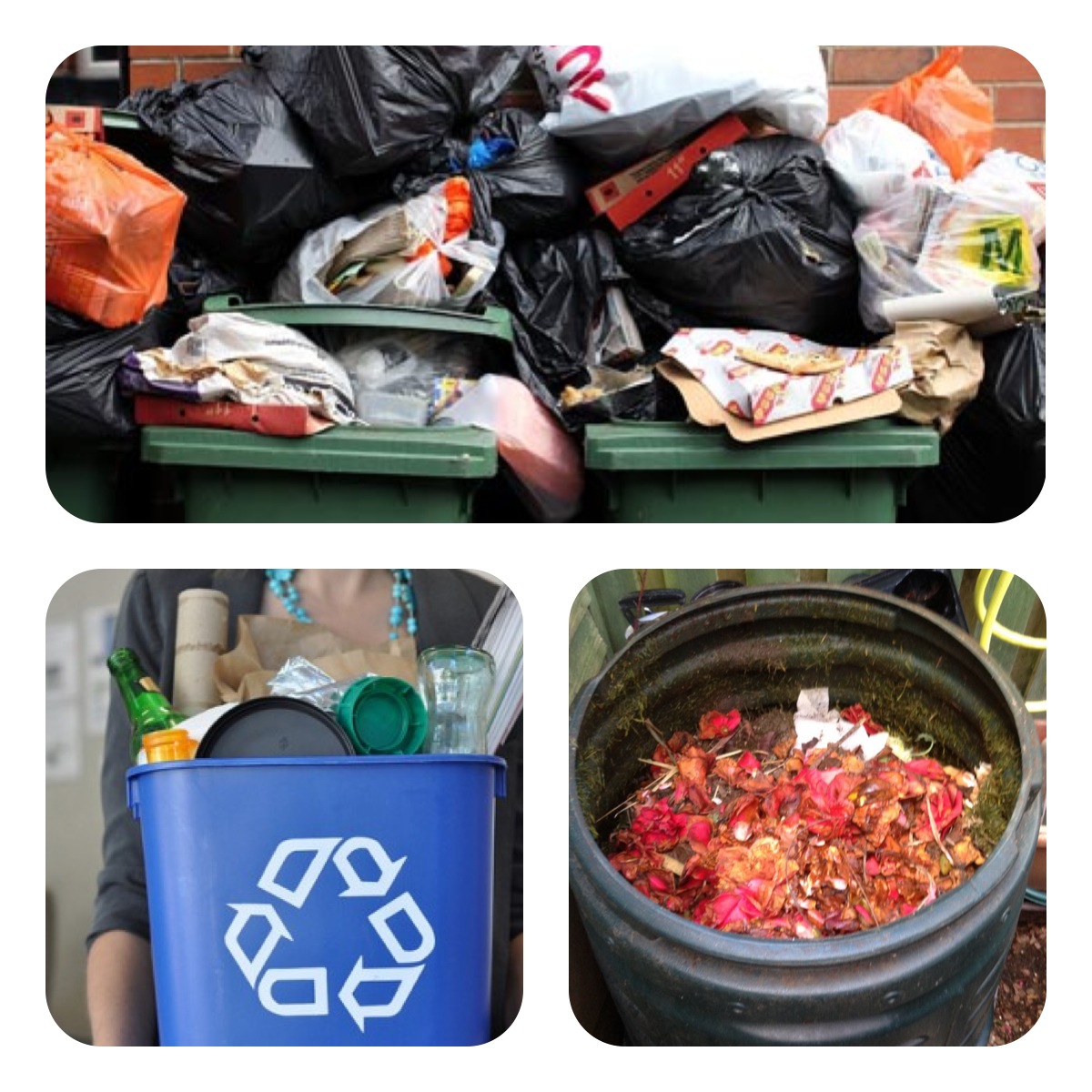
Up to 60% of the rubbish that ends up in the dustbin could be recycled. The unreleased energy contained in the average dustbin each year could power a television for 5,000 hours. On average, 16% of the money you spend on a product pays for the packaging, which ultimately ends up as rubbish and as much as 50% of waste in the average dustbin could be used to make compost. Get composting and recycling!

You Choose!

Dustbin or compost and recycle bin?

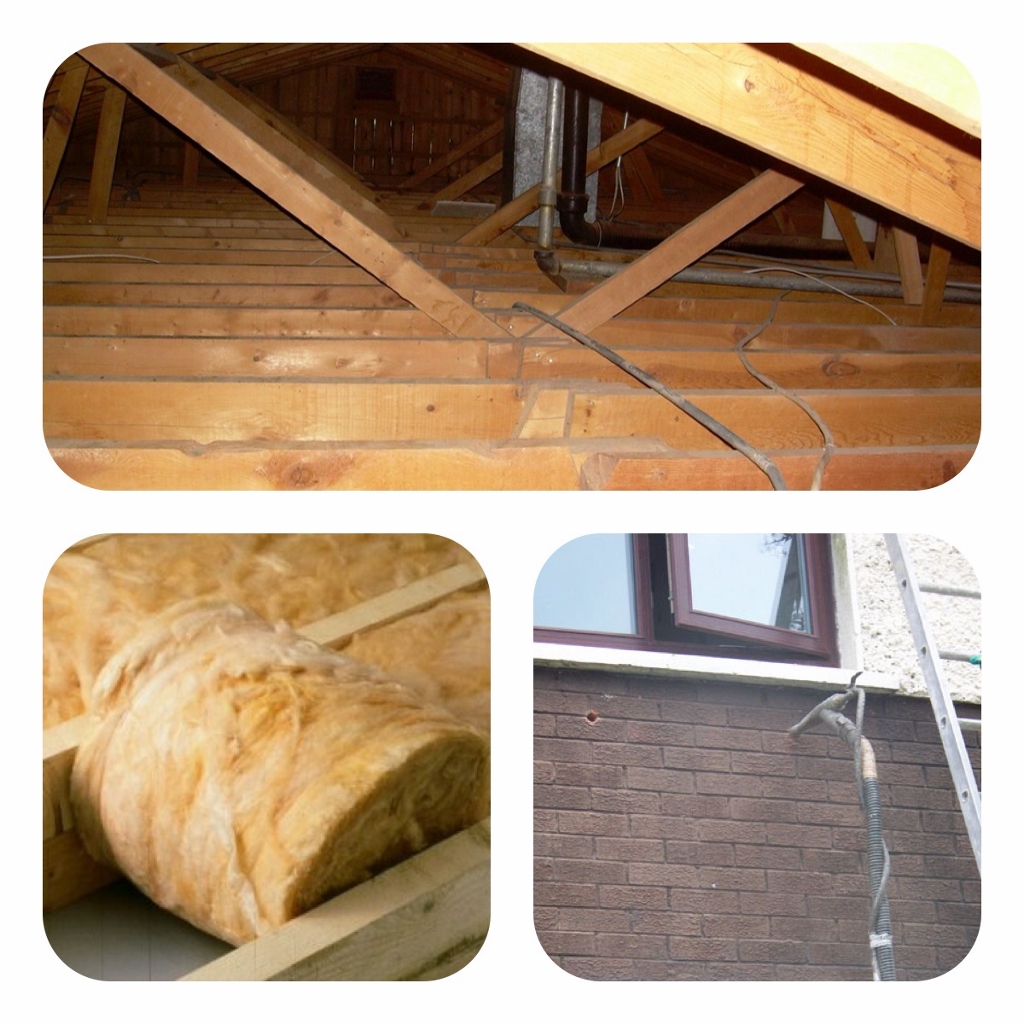
Chooseday’s Choice! ~ Does your home have insulation?

Where does YOUR energy go?

Without attic insulation your home looses up to 25% heat loss through the roof and without wall insulation it looses up to 35%  heat loss through the un-insulated walls.

By insulating your attic you can save up to 20% on your home heating bill.  If your attic insulation is currently less than 200 mm, then you should add further layers. There are a variety of suitable materials available on the market today including mineral wool, rock wool, sheeps wool, polystyrene, cellulose fibre and multi-layered foil.

The pay-back period for wall insulation is dependent on a number of factors including type, thickness and quality of existing insulation.  Wall insulation can be increased in a number of ways and the most popular ways to insulate include (a) insulated dry lining, (b) blown mineral or cellulose fibre or polystyrene beads into the cavity, or (c) rigid external insulation with render or brick finish.

Insulating the 50 sq.m. (540 sq.ft) attic space of a typical house costs around €254 and could save approximately €76 a year (up to 20% of your fuel bill) so it would pay for itself in about 3 years.

Insulating the 50 sq.m. (540 sq.ft) attic space of a typical house costs around €254 and could save approximately €76 a year (up to 20% of your fuel bill) so it would pay for itself in about 3 years. – See more at: http://www.seai.ie/Power_of_One/FAQ/Insulation/How_much_can_I_save_with_attic_insulation.html#sthash.CVMMF28t.dpuf

Before deciding what insulation to choose it is advisable to seek specialist advice.

You Choose!


Do you have attic and wall insulation?

Grants are available for energy upgrades.

Chooseday’s Choice! ~ Renewable Energy or Fossil Fuels?

Renewable energy resources are clean sources of energy. They can be harnessed without damaging the environment, unlike using fossil fuels which release carbon dioxide (a greenhouse gas) and other harmful pollutants into the atmosphere. They will never become exhausted. Unlike finite fossil fuels, renewable energy resources are continuously replenished through the cycles of nature and will not run out.

You Choose!

Renewable Energy or Fossil Fuels?